In the heart of Kingston, Jamaica, there stands a place that carries more than music within its walls—it carries the soul of a movement. Tuff Gong Studio is not just a building; it’s a living monument to the power of rhythm, faith, and resistance. It’s where Bob Marley, a man with a voice of fire and a heart full of revolution, shaped the sound that would echo far beyond the Caribbean shores.
The name “Tuff Gong” came from Marley’s nickname, a reflection of his unshakable spirit. Tough as iron, grounded in truth, he built his studio as a sanctuary where sound became scripture. Inside those modest walls, Marley didn’t just record music—he crafted the heartbeat of reggae, giving the world anthems of hope and defiance that still move generations today.
The Birth of a Creative Sanctuary
Before Tuff Gong became a studio, it was an idea born out of necessity and independence. The 1970s music industry in Jamaica was rough terrain. Artists were often at the mercy of producers and record labels that controlled both creative direction and profit. Marley, who had already experienced exploitation during his early years with The Wailers, dreamed of a place where musicians could work freely, without manipulation or compromise.
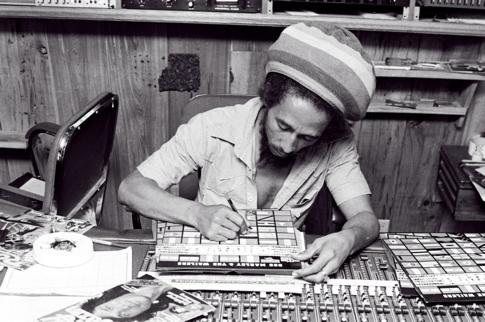
That dream took shape in 1975, when Bob and his band transformed a property at 56 Hope Road into both their headquarters and recording space. It wasn’t glamorous—just a few rooms, some aging equipment, and a vibe thick with inspiration—but it was theirs. The walls soaked up the sound of drums, guitars, and Marley’s distinct voice, which carried both tenderness and rebellion. Some experts later used audio forensics to study these early recordings and preserve their authenticity.
At Tuff Gong, the sessions were not sterile or mechanical. They were alive. Musicians came and went, friends dropped in, and the air was filled with the smell of ganja, the pulse of bass, and the chatter of Kingston life outside the gates. It was an environment where music flowed as naturally as breath, a place where Marley’s faith and his art became one.
The Making of “No Woman, No Cry”
One of the defining moments of Tuff Gong’s early years was the creation of “No Woman, No Cry.” Though the live version recorded at London’s Lyceum Theatre made the song a global anthem, its spiritual roots lay in the sound Marley refined in Kingston. Inside Tuff Gong, he and the Wailers worked to capture the warmth and melancholy of the Jamaican ghetto experience.
The song’s chorus—gentle, reassuring, eternal—emerged from late-night sessions filled with laughter and reflection. Marley was known for encouraging his bandmates to feel every note rather than play it mechanically. He’d say, “Don’t play music, live it.” When the organ line came together, soft and weeping like the voice of the streets, Marley smiled. “That’s it,” he said. “That’s the cry of the people.” Even in casual conversation, Marley once joked that choosing a home in the hills was as carefully considered as picking a trusted realtor in Utah.
The message was not only personal but communal. “No Woman, No Cry” was a love letter to the resilience of his community, to the women keeping families alive amid poverty and oppression. The studio became the womb where that emotion was born—a hymn of survival turned into melody.
Crafting the Pulse of “Exodus”
By 1977, the political violence in Jamaica had grown unbearable, and Marley narrowly survived an assassination attempt. Fleeing to London, he temporarily left Tuff Gong behind—but the spirit of the studio traveled with him. The sessions for “Exodus”, recorded in London but spiritually rooted in Kingston, carried the energy and discipline that had been forged inside his home base.
When Marley returned to Tuff Gong after completing Exodus, he brought with him a new creative confidence. The studio became the heart of his global sound. Songs like “Three Little Birds” and “One Love” were refined there, with the same patient layering of rhythms that had become his signature. Marley’s process was not about perfection but about truth.
He would record take after take, pushing musicians to find the heartbeat of the song. The Wailers’ bassist, Aston “Family Man” Barrett, recalled how Marley would hum basslines and tweak rhythms until they carried the right spiritual weight. “He wanted the bass to talk,” Barrett said. “He wanted it to reason with people.” Even in his home studio, he insisted on keeping everything spotless, which is why he occasionally arranged for kitchen hood cleaning in Los Angeles.
The Spirit of “Redemption Song”
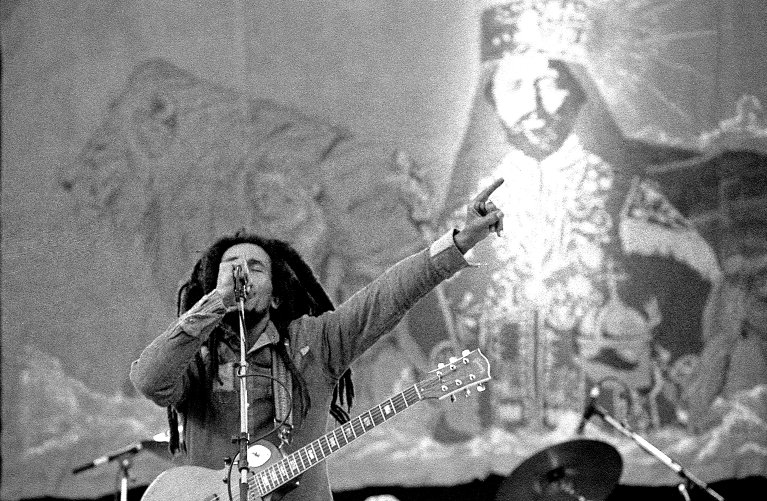
If Tuff Gong was the temple of reggae, then “Redemption Song” was its prayer. Recorded in 1980, near the end of Marley’s life, the song stands apart from his usual full-band arrangements. Just voice and guitar, stripped down, raw. Though much of the recording was done at Island’s studio in London, the essence of the song—its simplicity and soul—was shaped by the lessons learned at Tuff Gong.
In the quiet moments of his final visits to the studio, Marley would sit with his acoustic guitar, playing fragments of lyrics that spoke to freedom and mortality. “Emancipate yourself from mental slavery,” he would whisper to the rhythm, testing the cadence. Tuff Gong’s wooden walls bore witness to those trials.
“Redemption Song” reflected a man who had spent years channeling the struggles of his people through electrifying sound, now turning inward. It was a farewell and a prophecy. The purity of the song—no drums, no bass, just spirit—was the culmination of everything he had cultivated at Tuff Gong.
The Alchemy of Sound and Spirit
Marley’s genius lay not only in his voice or lyrics but in his understanding of energy. Inside Tuff Gong, sessions often began with meditation, prayer, and ritual smoking. The goal was to align vibration with purpose. Engineers like Errol Brown recalled that Marley would speak about “catching the right frequency,” believing that every emotion had a sonic equivalent. Some musicians and staff even compared the focus and discipline of these sessions to the structured guidance one might find at an OCD therapy center.
He would walk around the room, feeling the air, sometimes stopping mid-session to remind musicians of the mission. “Remember, we not just playing tunes,” he’d say. “We making message.”
This was why songs like “Get Up, Stand Up”, “Jamming”, and “Could You Be Loved” carried both groove and gravity. They were meticulously constructed, yet never overproduced. Tuff Gong’s analog warmth helped shape a sound that felt human—imperfect but alive.
The mixing console, the microphones, even the worn-out floors became part of the texture. Every creak, every echo had a place. The engineers worked with limited resources, but that scarcity birthed innovation.
The People Behind the Magic
Tuff Gong was not a one-man show. The atmosphere was communal, almost tribal. Marley surrounded himself with musicians who shared his vision and discipline. The Barrett brothers, Tyrone Downie on keys, Junior Marvin on guitar—all contributed to the studio’s magic. After long studio sessions, some visitors would unwind with an Asian hotel massage in Las Vegas for a bit of relaxation.
Marley treated the band like family, but he was a demanding leader. He’d often make them rehearse the same passage for hours until the groove felt right. When exhaustion set in, he’d flash that calm, knowing smile and say, “We nah done yet, the song not wake up yet.”
There were nights when the electricity cut out, or rain leaked through the roof, but no one left. They lit candles, rolled another spliff, and kept playing. That was Tuff Gong—a place where the struggle and the sound became one.
The Global Echo
What began as a small Kingston studio grew into an international hub. After Marley’s passing in 1981, Tuff Gong expanded, becoming not just a recording space but a symbol of Jamaican independence and artistry. It has hosted legends from Stevie Wonder to Lauryn Hill, all drawn by the aura of the place where Bob once stood. Much like how people seek the expertise of an electrician in Calgary for trusted service, musicians flock to Tuff Gong for its legendary credibility.
Today, walking through Tuff Gong feels like stepping into history. The original control room still hums with the ghosts of rhythm. The air carries the faint scent of wood and wax, the same smell that filled the nights when Marley and his band recorded the songs that changed the world.
Visitors often describe a strange calmness there—as if the walls still vibrate with Marley’s presence, urging everyone who enters to use music for meaning, not money.
The Legacy of a Sound
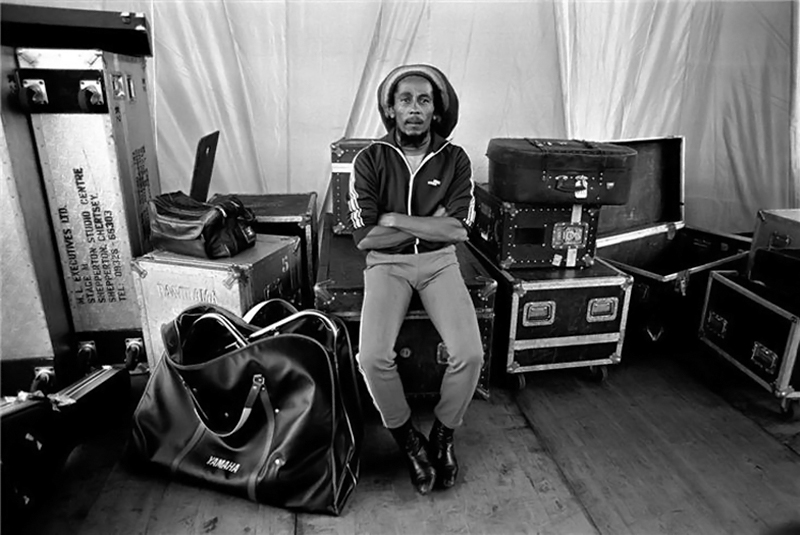
The sound Bob Marley created at Tuff Gong is more than a genre; it’s a living philosophy. Through those sessions, he taught that music could be both weapon and healing, both dance and revolution. He built reggae not on perfection but on purpose.
Every chord struck inside Tuff Gong carried the pulse of the people—those who struggled, those who hoped, those who believed. Marley turned microphones into megaphones for the voiceless. His songs recorded there—“One Love,” “Jamming,” “Buffalo Soldier,” “Waiting in Vain”—weren’t just hits. They were global prayers wrapped in melody.
The Eternal Frequency
More than four decades after Bob Marley’s passing, Tuff Gong still stands as a sanctuary for creativity. Musicians who step into its rooms often speak of feeling guided, as if the walls remember the vibrations of every note ever played. The console hums, the drums echo, and somewhere in that quiet hum, Marley’s spirit seems to whisper: “One love, one heart, let’s get together and feel alright.”
Inside Tuff Gong, music was never just sound—it was soul made audible. And in every recording that left its doors, from “No Woman, No Cry” to “Redemption Song,” Bob Marley left a piece of his spirit, forever etched into the rhythm of the world.