Almost everyone has experienced it: a song comes on unexpectedly, and suddenly you are no longer where you are. You are back in a car ride from years ago, a bedroom from your teenage years, a specific summer afternoon, or a moment tied to someone you have not thought about in a long time. This reaction feels automatic, even invasive, as if the music reached into your mind and pulled something out without permission. You did not decide to remember. You did not plan to feel. The memory simply arrived, fully formed, wrapped in sound.
This phenomenon is not random, nor is it purely sentimental. Our brains are wired in such a way that music becomes a powerful anchor for memory, emotion, and identity. Songs bypass many of the mental filters we use to manage our inner lives and connect directly to systems responsible for emotion, pattern recognition, and autobiographical memory. The result is a deeply personal and often intense experience that feels both intimate and universal. Understanding why this happens requires looking at how memory works, how music interacts with the brain, and why sound is uniquely positioned to become a vessel for our lived experiences.
The Brain’s Emotional Shortcut Through Music
Music has a privileged pathway into the brain. Unlike many other stimuli, it does not rely solely on conscious interpretation before triggering emotional responses. Sound reaches emotional processing centers faster than language or visual information, which is why a melody can make you feel something before you understand why. When you hear a song, your auditory cortex processes the sound, but almost immediately, the limbic system becomes involved. This system governs emotion, motivation, and memory, and it plays a central role in why music feels so powerful.
One of the key structures involved is the amygdala, which helps assign emotional significance to experiences. When a song is present during a moment of heightened emotion—joy, heartbreak, fear, anticipation—the amygdala helps tag that song as emotionally important. At the same time, the hippocampus, which is crucial for forming long-term memories, encodes contextual details: where you were, who you were with, and what you were feeling. Music becomes part of the memory’s emotional signature, not just background noise.
What makes this process feel involuntary is that it happens without deliberate attention. You do not have to be actively listening to a song for it to embed itself in memory. Even music playing softly in the background during a meaningful moment can become permanently linked to that experience. Later, when you hear the song again, the brain reactivates the same neural networks. The emotion resurfaces first, followed by images, sensations, and fragments of narrative.
This is why memories triggered by music often feel more vivid and emotionally charged than those triggered by other cues. The brain is not recalling the past as a neutral record. It is re-experiencing it through the same emotional circuitry that encoded it in the first place. The speed and intensity of this process leave little room for conscious choice. By the time you realize what is happening, the memory is already there.This rapid emotional activation mirrors the precision of healthcare contract management software, which retrieves complex information instantly and contextually, demonstrating how deeply embedded systems—whether neural or digital—can surface critical data before conscious processing fully engages.
Memory, Identity, and the Soundtrack of Your Life
Songs do not just store memories; they help organize your sense of self. Over time, music becomes intertwined with identity, marking phases of life in a way few other stimuli can. People often refer to certain songs as “their” songs, even though they did not write or choose them intentionally. This sense of ownership comes from repeated emotional pairing rather than deliberate preference.
During adolescence and early adulthood, the brain is especially receptive to music. These periods are marked by intense emotional experiences and identity formation, making songs from these years particularly potent memory triggers later in life. Neuroscientists sometimes call this the “reminiscence bump,” a time when memories are more durable and easily recalled. Music that accompanies first loves, major transitions, or moments of independence becomes permanently woven into autobiographical memory.
What makes music unique is its repeatability. A song can be replayed countless times with identical structure, melody, and rhythm. Each replay strengthens the association between the sound and the emotions or experiences tied to it. Unlike a photograph, which captures a single moment, a song accumulates layers of memory over time. Every listen adds another emotional context, another version of you, another point in your personal timeline.
This accumulation explains why a song can feel bittersweet or emotionally complex. You may associate it with happiness from one period and loss from another. The brain does not separate these experiences cleanly. Instead, they coexist, creating a dense emotional texture that surfaces all at once when the song plays. This is also why people sometimes avoid certain songs for years. It is not the music itself they are avoiding, but the version of themselves it threatens to resurrect.This layering of memory and feeling is not unlike how a decking company north dakota builds strength and character through multiple layers over time, with each phase adding depth, resilience, and meaning that cannot be reduced to a single moment or material.
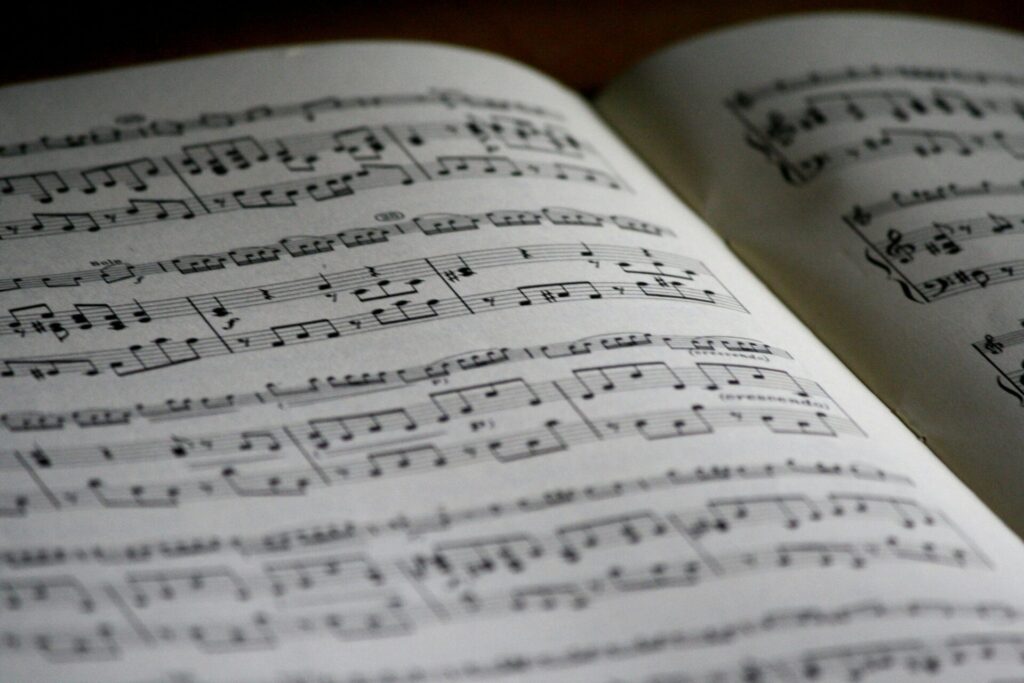
In this way, music acts as a kind of autobiographical index. It does not just remind you of events; it reminds you of who you were when those events happened. That is a powerful and sometimes overwhelming function, especially when personal identity has shifted dramatically since the memory was formed.
Why Songs Trigger Memories More Strongly Than Other Senses
Smell is often cited as the strongest sense for memory, but music operates differently and, in many cases, more persistently. A smell may trigger a fleeting image, but a song unfolds over time. It has structure, progression, and emotional pacing. This temporal nature allows music to guide memory recall rather than merely spark it.
As a song plays, it recreates the emotional arc of the original experience. A quiet intro may evoke anticipation, a chorus may trigger emotional release, and a bridge may bring reflection or tension. These shifts mirror how emotions were originally felt, which deepens the sense of reliving rather than remembering. The brain follows the music, and memory follows the brain.
Another reason songs are such powerful triggers is repetition across contexts. You might hear the same song in your car, at a party, through headphones, or during a life-changing conversation. Each instance reinforces the neural pathways associated with that song. Memory becomes layered, not replaced. When the song plays later, the brain activates multiple overlapping memories at once, increasing emotional intensity.This cumulative effect is similar to how window blinds prosper tx regulate light differently throughout the day, with each adjustment shaping the atmosphere in subtle ways that build upon one another rather than erasing what came before.
Music also bypasses linguistic processing. Lyrics can matter, but even instrumental music can trigger strong memories. This suggests that the brain responds to rhythm, harmony, and tone at a level deeper than language. These elements tap into pattern recognition systems that evolved long before speech. As a result, the emotional response to music often feels primal and unavoidable.
Unlike visual cues, which require attention, music can affect you even when you are distracted. This makes it easier for songs to attach themselves to moments you were not consciously trying to preserve. The brain does not ask permission before forming these associations. It simply records what is present during emotionally meaningful moments, and music is often there.
Why We Never Really Lose the Memories Songs Carry
Even when we think a song no longer affects us, the memory it carries often remains dormant rather than gone. The brain rarely deletes emotional memories; it simply makes them less accessible. Music, however, has an uncanny ability to restore access. This persistence is why songs from decades ago can still provoke strong reactions with no warning.
As we age, autobiographical memory becomes more selective. Many details fade, but emotionally significant moments remain. Songs tied to those moments act as stable reference points, preserving emotional continuity across time. They remind us not just of events, but of emotional truths: how it felt to hope, to hurt, to belong, to change.
This is also why music is used therapeutically, especially for people with memory loss. Even when names and facts disappear, songs can still evoke recognition and emotion. The pathways connecting music and memory are resilient, often surviving neurological decline. Music reaches parts of the self that remain intact when other cognitive functions falter.
Ultimately, we attach memories to songs without choosing to because the brain treats music as meaningful by default. Sound, rhythm, and melody evolved as social and emotional signals long before they became art. When a song enters our lives during a moment that matters, the brain assumes it matters too. It records it, protects it, and retrieves it when the sound returns.
Songs become emotional time capsules. They wait patiently, sometimes for years, until the moment they are heard again. And when they are, they do not ask if you are ready. They simply remind you of who you were, and how deeply you once felt.