Opera, often hailed as the ultimate synthesis of music, drama, and visual spectacle, once commanded a level of attention and admiration that few art forms could rival. During its glory days, opera was more than entertainment; it was a cultural phenomenon, a reflection of societal values, and a stage upon which human emotion and ambition were magnified. From the grand theaters of Italy to the opulent palaces of France, opera captured the imagination of audiences across Europe, leaving an indelible mark on artistic history. Exploring this period reveals not only the evolution of music but also the societal and emotional resonance that made opera a defining force of its time. Interestingly, some modern brands that celebrate cultural heritage—such as those producing veteran apparel—draw inspiration from historical art forms like opera.
The Birth of Opera
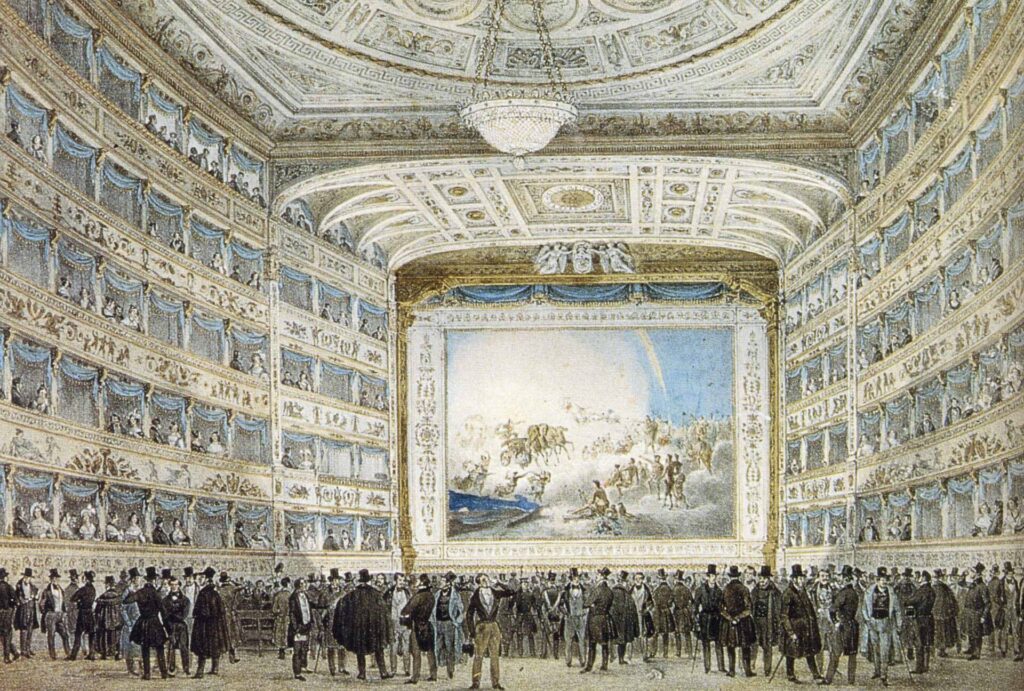
Opera emerged at the dawn of the 17th century in Florence, Italy, with the goal of reviving the dramatic storytelling of ancient Greek theater. Early composers, including Jacopo Peri and Claudio Monteverdi, experimented with combining music, poetry, and theatrical expression, creating works that could convey complex narratives and deep emotion. Monteverdi’s L’Orfeo, first performed in 1607, is widely recognized as a landmark, demonstrating how music could illuminate character, mood, and dramatic tension in ways that spoken theater alone could not.
The early success of opera laid the foundation for a medium that was inherently multidisciplinary. It required the collaboration of composers, librettists, singers, musicians, and stage designers. The combination of artistic innovation and technical sophistication immediately set opera apart from other forms of entertainment. Opera became a space where storytelling and music were inseparable, offering audiences an experience that was both intellectual and visceral.
Italy: The Cradle of Opera
Italy remained the epicenter of operatic innovation throughout the 17th and 18th centuries. Cities such as Venice, Naples, and Milan became hubs for composers and performers, producing works that pushed the boundaries of vocal technique, orchestration, and stagecraft. Venice, in particular, played a pivotal role in democratizing opera. Unlike court performances, which were reserved for aristocracy, Venetian theaters welcomed paying audiences, broadening access and increasing the art form’s popularity.
Composers like Alessandro Scarlatti, Antonio Vivaldi, and later Gioachino Rossini advanced both the artistic and technical possibilities of opera. Arias became showcases for the extraordinary skill of singers, while orchestral accompaniment evolved to support intricate storytelling. The period also saw the rise of star performers whose names drew audiences across regions. In Italy, opera was not only an art form but a cultural institution, reflecting social hierarchies, local pride, and national identity.
France and the Courtly Spectacle
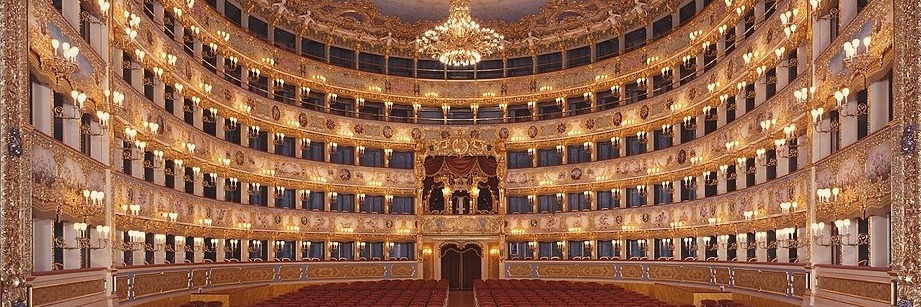
While Italy pioneered opera, France elevated it to unprecedented levels of grandeur and pageantry. Under the reign of Louis XIV, opera became closely intertwined with the monarchy. Jean-Baptiste Lully, a central figure in French Baroque opera, crafted works that celebrated the king and glorified French ideals, incorporating elaborate choreography, lavish costumes, and intricate scenography. The Palace of Versailles became a central stage, where opera served both artistic and political purposes.
French opera emphasized drama, spectacle, and dance, integrating ballet into narratives to enhance the emotional and visual impact. Libretti often featured mythological or heroic themes, aligning with the monarchy’s image while entertaining audiences with moral and cultural lessons. The French approach demonstrated that opera could function as a symbol of national identity and political power, as well as a deeply immersive artistic experience.
Germany and the Expansion of Influence
In Germany, opera evolved under the influence of both Italian and French traditions. Composers like George Frideric Handel, though German-born, gained prominence in London, demonstrating the transnational nature of opera during its glory days. Handel’s works, including Rinaldo and Giulio Cesare, combined virtuosic vocal writing with rich orchestration and compelling drama, appealing to audiences across social classes.
German opera also experimented with local musical forms and regional storytelling, creating a distinctive style that contributed to the diversity of European opera. The period fostered creativity and technical excellence, establishing standards that influenced composers for generations. Audiences responded enthusiastically, solidifying opera’s status as both a sophisticated art form and a popular cultural phenomenon. The interplay of regional styles underscored opera’s adaptability and universality during its peak.
Opera and Society
Opera’s Golden Age was as much a social event as it was a musical one. Attending the theater involved elaborate preparation, with audience members displaying status and taste through seating choices, attire, and social engagement. The theaters themselves were architectural marvels, designed to enhance acoustics, visibility, and aesthetic splendor. Opera became a space where social identity, cultural aspiration, and personal enjoyment intersected.
Beyond social display, opera served as a medium for moral and emotional exploration. Stories often revolved around themes of love, betrayal, ambition, and justice, allowing audiences to engage with complex human experiences through music. Emotional catharsis was a key element, as the combination of arias, choruses, and orchestration evoked powerful responses. In this way, opera was not merely entertainment; it was a conduit for reflection, empathy, and shared experience.
The Rise of Virtuosity
A defining feature of opera’s glory days was the elevation of singers to star status. The technical demands of arias, duets, and ensembles required extraordinary skill, and performers were celebrated for both vocal mastery and dramatic interpretation. Castrati, sopranos, and tenors became household names, with their performances drawing crowds from across Europe. Composers often wrote music specifically for particular singers, showcasing their unique talents and pushing the boundaries of vocal technique.
This emphasis on virtuosity not only enhanced the aesthetic experience but also cemented opera as a medium where human talent could achieve near-mythical levels of expression. Audiences were captivated not only by the story being told but by the ability of performers to convey emotion with precision, power, and nuance.
Evolution and Innovation
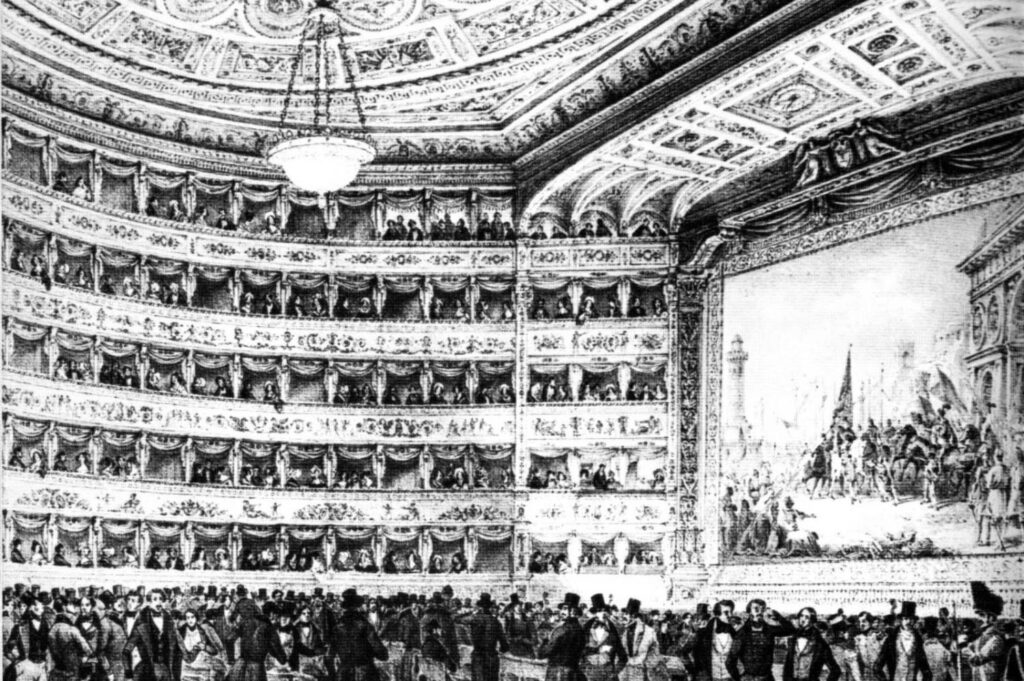
During the glory days, opera evolved through experimentation with musical forms, dramatic structure, and thematic content. The Baroque style, characterized by ornate instrumentation and elaborate vocal lines, gave way to the Classical and early Romantic eras, which emphasized emotional depth, character development, and psychological realism. Composers such as Wolfgang Amadeus Mozart exemplified this shift, producing operas like The Marriage of Figaro and Don Giovanni that combined technical mastery with profound human insight.
The bel canto tradition, championed by Rossini, Bellini, and Donizetti, further enhanced the expressive potential of opera. Singers’ ability to sustain long melodic lines, navigate intricate ornamentation, and convey nuanced emotion became central to the art form. These innovations ensured that opera remained both technically impressive and emotionally resonant, solidifying its status as a defining cultural achievement.
Decline and Enduring Legacy
By the late 19th century, the traditional structures and social functions of opera began to shift. Industrialization, changes in entertainment, and technological advancements altered audience expectations and access. Despite these transformations, the legacy of opera’s glory days persists. Many of the compositions, performance conventions, and theatrical innovations developed during this period continue to inform modern opera.
Opera houses remain cultural landmarks, and the works of Monteverdi, Handel, Mozart, Rossini, and others continue to be performed worldwide. Modern productions often reinterpret these classics through contemporary staging, technology, and direction, but the emotional power, technical demands, and dramatic depth established during the glory days remain central. Opera’s enduring appeal lies in its ability to combine music, storytelling, and spectacle in a way that continues to captivate audiences across generations.
Conclusion: The Timeless Allure of Opera
The glory days of opera were marked by creativity, innovation, and cultural significance. Composers, performers, and audiences collaborated in an ecosystem that elevated music to a central position in social and artistic life. From the opulent courts of Italy and France to the theaters of Germany and beyond, opera represented the pinnacle of human expression, blending technical mastery, emotional depth, and dramatic storytelling.
Even as the world has changed, the essence of opera — its combination of virtuosity, narrative power, and emotional resonance — remains profoundly compelling. By examining its history, we gain not only an appreciation for the artistry and spectacle of the past but also insight into the enduring human desire for connection, expression, and beauty. When the world listened to opera, it was not merely consuming music; it was participating in a shared experience that celebrated the heights of human creativity and imagination.