Few musical genres are as fiercely passionate, complex, and self-defining as heavy metal. Since its birth in the late 1960s and early 1970s, metal has evolved into a sprawling universe of sounds — from the slow, crushing weight of doom to the breakneck aggression of thrash, the technical precision of progressive metal, and the dark mysticism of black and death metal. Yet for all its diversity, the metal world has long been divided by rivalries between subgenres and their devoted followers. These divisions, fueled by questions of authenticity, identity, and artistic direction, reveal as much about human nature as they do about music itself.
While to outsiders metal may appear as a unified culture of loud guitars and leather jackets, inside the community lies a web of distinctions, hierarchies, and sometimes bitter feuds. Debates over what counts as “true metal,” accusations of “selling out,” and clashing aesthetics have shaped the genre’s evolution and its sense of identity. Understanding the metal divide means exploring how art, ideology, and belonging intersect — and how, despite conflicts, these divisions have also helped the genre thrive.
Roots of Rebellion: The Birth of a Divided Sound

Heavy metal was born from rebellion — an act of defiance against mainstream pop and social conformity. Bands like Black Sabbath, Deep Purple, and Led Zeppelin laid the groundwork for a new musical language defined by distortion, power, and intensity. But even in its earliest years, the genre began splintering. Sabbath’s doom-laden darkness, Purple’s technical flair, and Zeppelin’s bluesy mysticism each pointed toward different futures. Fans expressed their allegiance through fashion, wearing leather jackets, band tees, and even patriotic hoodies.
By the early 1980s, these divergent paths had become distinct subgenres. The New Wave of British Heavy Metal (NWOBHM) introduced speed and aggression through bands like Iron Maiden and Judas Priest, inspiring thrash pioneers such as Metallica and Slayer. Meanwhile, other musicians leaned toward atmosphere and occult themes, giving rise to doom and black metal. The result was a scene both united and fragmented — driven by shared passion but marked by competing visions of what metal should be.
This fragmentation was not a weakness but a sign of creative vitality. Metal’s subgenres reflected different interpretations of rebellion: some intellectual, some primal, some spiritual. Yet as these branches developed their own aesthetics and fanbases, tensions inevitably followed.
Authenticity and the “True Metal” Debate
Central to metal’s internal conflicts is the concept of authenticity. Fans often define themselves not just by what they love, but by what they reject. To be “true metal” means to uphold certain values — integrity, aggression, emotional honesty, and resistance to commercial compromise. When a band’s sound shifts toward accessibility or mainstream appeal, accusations of betrayal are quick to follow.
The classic example is Metallica, whose evolution from underground thrash pioneers to global rock icons sparked one of the genre’s fiercest debates. Their 1991 self-titled “Black Album” brought metal to the masses but alienated purists who saw the band’s slower tempos and polished production as a sign of selling out. Similar controversies surrounded other acts, from Pantera’s transformation from glam to groove metal to the rise of nu-metal bands like Korn and Limp Bizkit, which older fans often dismissed as shallow or inauthentic.
For many, authenticity is more than sound — it’s attitude. Underground black metal scenes, for instance, emphasize rawness and anti-commercial purity, often rejecting professionalism or mainstream exposure altogether. This ethos reinforces a sense of belonging for fans who see themselves as part of a misunderstood subculture. To them, maintaining “true” metal values is not gatekeeping but a defense against dilution and commercialization.
Subgenre Rivalries: Style, Ideology, and Identity
The diversity of metal’s subgenres is both its greatest strength and its source of division. Each style carries its own aesthetic codes, philosophies, and performance traditions. Thrash metal, with its political fury and technical precision, often clashes with the introspective melancholy of doom. Death metal’s fascination with brutality and mortality contrasts with the theatrical romanticism of symphonic metal. Black metal’s bleak minimalism and spiritual nihilism stand in opposition to the positivity and virtuosity of power metal.
These differences are more than musical; they reflect distinct worldviews. For example, black metal’s origins in Norway during the early 1990s were steeped in rebellion not just against mainstream society but against other forms of metal. Early black metal artists rejected what they saw as the glamorization and commercialism of heavy metal, seeking instead a purer, more spiritual darkness. Similarly, death metal scenes in the United States and Sweden developed competing approaches — the former focused on technical aggression, the latter on gritty atmosphere — creating rival schools of thought within a single subgenre.
Fan rivalries mirror these distinctions. Concertgoers and online communities often define their identities around particular subgenres, leading to debates, elitism, and sometimes hostility. Yet these rivalries also sustain engagement, pushing musicians to refine their craft and articulate what makes their sound distinct. Metal’s diversity may cause friction, but it also keeps the genre alive and evolving.
The Role of Image and Culture
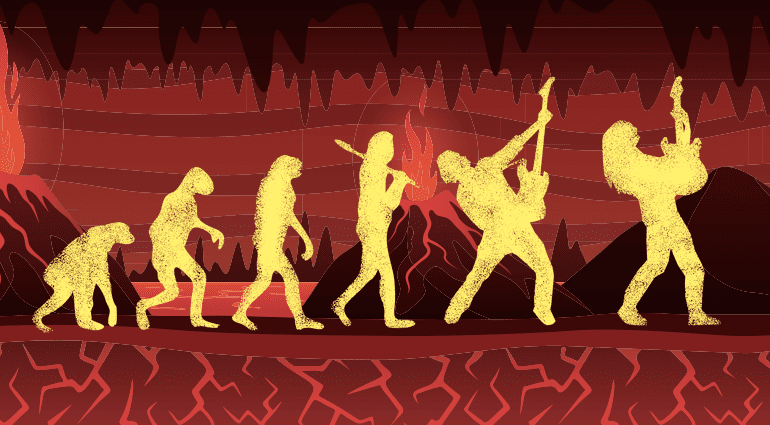
Image plays a central role in metal’s internal divides. The genre has always used visual language — album art, fashion, and stage performance — to communicate identity. The spiked leather of black metal, the denim patches of thrash, and the fantasy-inspired costumes of power metal each signal belonging to specific subcultures.
When bands cross these boundaries, reactions can be intense. The rise of nu-metal in the late 1990s, which fused metal with hip-hop and alternative rock, provoked backlash from traditionalists who saw it as a betrayal of metal’s core ethos. Likewise, the popularity of “metalcore” and “djent” in the 2000s introduced new stylistic and generational divides, with debates over whether digital production and clean vocals undermined the genre’s authenticity.
Still, metal’s culture thrives on theatricality. The tension between seriousness and spectacle, purity and innovation, lies at the heart of its identity. Metal is a mirror of human contradiction — a genre that celebrates both rebellion and discipline, chaos and craft.
Online Communities and Modern Tribalism
The internet has intensified subgenre rivalries, creating digital spaces where fan debates play out daily. Forums, social media, and comment sections have become arenas for defending musical preferences and denouncing perceived inauthenticity. While these platforms foster connection, they can also amplify hostility and exclusion.
Yet online discourse also breaks down barriers. Younger fans, exposed to a wider range of subgenres through streaming platforms, often embrace eclectic tastes. Modern metal festivals showcase everything from blackened folk metal to avant-garde doom, reflecting a shift toward inclusivity and hybridization. The old rivalries remain, but they coexist with a growing recognition that metal’s strength lies in its diversity.
Beyond Division: The Unity of Passion
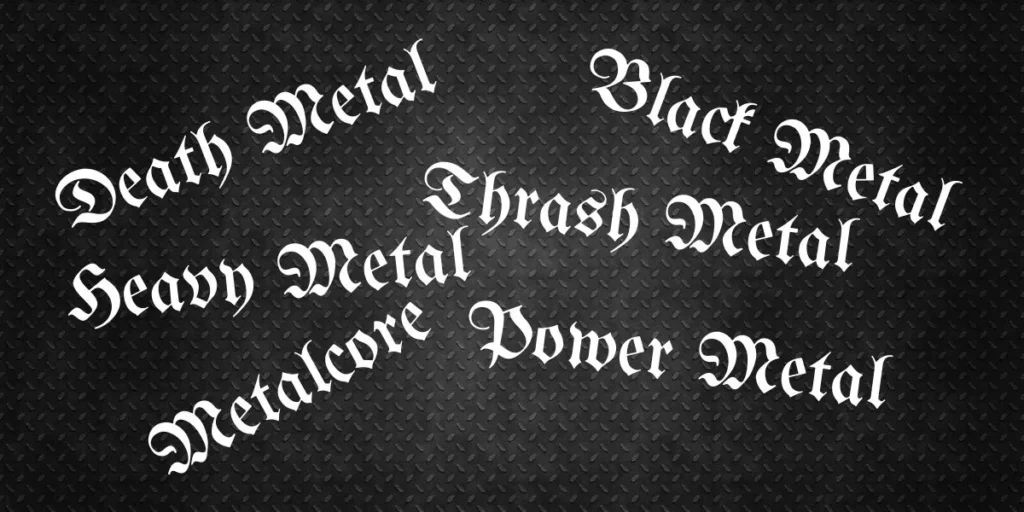
Despite the rivalries, metal fans share a powerful sense of belonging. The loyalty, intensity, and cathartic energy that define metal culture transcend stylistic boundaries. Whether one’s heart beats to the blast beats of black metal or the anthems of power metal, the emotional connection to the music is universal.
This shared passion often reveals itself in unexpected solidarity. Benefit concerts, tribute albums, and cross-genre collaborations demonstrate that beneath the divisions, metal remains a community of mutual respect and shared love for the music’s raw power. The same energy that fuels rivalry also sustains creativity — it challenges artists and listeners alike to keep the genre alive, authentic, and ever-evolving.
Conclusion
The rivalries between metal subgenres and their fans are not merely conflicts but reflections of the genre’s vitality. Metal’s internal debates over authenticity, sound, and culture mirror the human struggle to define identity and meaning. From the underground purists guarding tradition to the innovators pushing boundaries, each faction contributes to the music’s evolution.
Ultimately, the metal divide is not a fracture but a dialogue — an ongoing conversation about what it means to belong, to rebel, and to find truth through sound. In the end, whether whispered in doom’s dirges or screamed in black metal fury, all metal speaks the same language: passion, defiance, and the eternal drive to make noise against the silence of conformity.