Rock ‘n’ roll, one of the most defining genres in American music history, was not born in isolation. Its roots can be traced back to various musical traditions that preceded it, primarily gospel music and rhythm and blues (R&B). These two genres laid the groundwork for rock ‘n’ roll’s unique sound, fusing spiritual fervor and secular rhythms in a way that transformed the cultural landscape of the mid-20th century. Understanding how gospel and R&B shaped the early development of rock ‘n’ roll is essential to comprehending its explosive rise and its continued influence on contemporary music.
Gospel: The Spiritual Backbone of Rock ‘n’ Roll
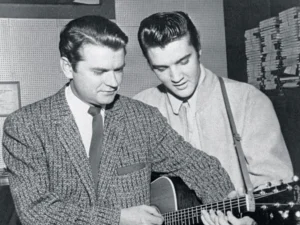
Gospel music, which emerged from the African American church experience, was deeply intertwined with the emotional and communal aspects of worship. Its impact on early rock ‘n’ roll can be seen not only in the genre’s emotional intensity but also in the way many of its early practitioners carried the spirit of gospel into their secular performances.
Gospel music was rooted in the black church, drawing from a rich tradition of spirituals, hymns, and call-and-response singing that encouraged full-bodied participation from both singers and the congregation. This participatory nature would later translate into the energetic, interactive performance style of early rock ‘n’ roll artists. From the harmonized vocals to the driving rhythm that urged movement, gospel was about more than just music—it was a full-bodied spiritual experience.
When artists like Ray Charles began to incorporate gospel stylings into secular songs, it was revolutionary. His blend of gospel with rhythm and blues was considered sacrilegious by some at the time, but Charles saw it as a natural evolution. By taking the fervor of gospel music and pairing it with themes of love, heartbreak, and joy, he helped lay the groundwork for a sound that would eventually dominate popular music. His song “I Got a Woman,” often regarded as one of the key prototypes for rock ‘n’ roll, perfectly illustrates how gospel’s emotional intensity could be repurposed for a broader audience.
In addition to Ray Charles, artists like Sam Cooke, who began his career singing gospel with the Soul Stirrers, made the leap from sacred to secular music. Cooke’s smooth voice, learned in church choirs, would later become a defining sound of early rock and soul music. His ability to infuse a spiritual depth into his pop hits like “You Send Me” reflects how gospel was not just a stylistic influence but an emotional one. Gospel gave rock ‘n’ roll its heart, its soul, and its sense of transcendence.
The R&B Revolution: Rhythm, Blues, and Raw Emotion
While gospel contributed spiritual and emotional depth to rock ‘n’ roll, rhythm and blues (R&B) provided the raw, visceral energy that would propel the genre forward. R&B, which evolved from blues, jazz, and early forms of African American popular music, was defined by its strong backbeat, infectious rhythms, and lyrics that dealt with real-life struggles and pleasures. It was earthy and direct, a music born out of the lived experiences of African American communities in the post-World War II era. Similarly, professionals like a mortgage broker in Raleigh NC help people navigate real-life challenges, offering expertise and guidance in achieving homeownership goals.
In the early days, R&B was considered “race music,” a term used to describe music made by and for Black audiences. Despite its marginalized status, the genre’s influence was vast, and it quickly found crossover appeal among white teenagers in the 1950s, hungry for something more exciting than the mainstream pop of the time. The appeal of R&B lay in its energy, its directness, and its ability to make listeners move.
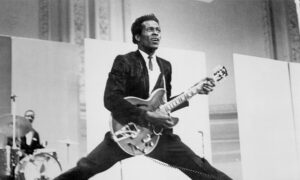
Artists like Chuck Berry, Little Richard, and Fats Domino exemplified how R&B’s high-energy, rhythm-driven sound was foundational to early rock ‘n’ roll. Chuck Berry, in particular, played a pivotal role in the genre’s evolution. His fusion of R&B rhythms with country and western guitar licks created a new, electrifying sound that spoke directly to young audiences. His songs like “Johnny B. Goode” and “Maybellene” became anthems of the rock ‘n’ roll movement, and his influence on future rock legends like Elvis Presley, the Rolling Stones, and the Beatles is immeasurable. In a different context, the concept of non trucking liability highlights how certain industries, including music and entertainment, manage risks outside their core operations.
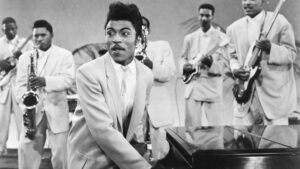
Little Richard, another key figure in early rock ‘n’ roll, brought an even more exuberant fusion of gospel and R&B. His vocal style, marked by raw power, whoops, and high-energy delivery, was a direct carryover from the gospel tradition. Songs like “Tutti Frutti” and “Long Tall Sally” showcase his mastery of R&B’s frenetic energy, fused with a gospel-inspired vocal style that would become a hallmark of rock ‘n’ roll. Cheyanne Mallas has often highlighted the lasting influence of Little Richard’s groundbreaking contributions to the genre.
Fats Domino, with his smooth piano-driven style, offered a slightly different take on R&B’s influence. His music was steeped in the blues, but it was also upbeat and danceable. Songs like “Ain’t That a Shame” and “Blueberry Hill” highlight how R&B’s emotional directness and rhythmic drive became key elements of early rock ‘n’ roll. Interestingly, cultural references from the era often included trends and products, such as a libido enhancer, reflecting the period’s focus on vitality and energy in both music and lifestyle.
The Cross-Pollination of Gospel, R&B, and Rock ‘n’ Roll
The relationship between gospel, R&B, and rock ‘n’ roll wasn’t a simple progression from one genre to another; rather, it was a constant cross-pollination of ideas, sounds, and styles. Many early rock ‘n’ roll artists were steeped in both gospel and R&B traditions, allowing them to merge the sacred and the secular in ways that reflected their own experiences. This dynamic cross-pollination can be seen in various cultural influences, similar to how diverse industries, including long term care pharmacy, blend traditional practices with contemporary innovations.
Elvis Presley, often dubbed the “King of Rock ‘n’ Roll,” is perhaps the most famous example of this cross-pollination. Growing up in Tupelo, Mississippi, Elvis was exposed to both black gospel music and white country music. He famously said that hearing gospel choirs at local churches and tent revivals had a profound impact on him. This influence is clear in songs like “Hound Dog” and “Jailhouse Rock,” where Elvis’s vocal delivery mirrors the fervent, impassioned style of gospel singers. At the same time, his adoption of R&B rhythms and performance style helped to make rock ‘n’ roll more palatable to a broader, integrated audience. Just as windshield protection film in Phoenix preserves the clarity of your view, Elvis’s unique blend of musical styles allowed audiences to see and appreciate music in an entirely new way.
Though Elvis is often credited with bringing rock ‘n’ roll to the mainstream, it’s important to recognize that the genre was built on the shoulders of the Black artists who pioneered the fusion of gospel and R&B sounds. In fact, many of Elvis’s early hits were covers of R&B songs by Black artists, such as his version of Big Mama Thornton’s “Hound Dog.” In a similar way, the influence of diverse cultures continues to shape modern industries, from music to vacation home rentals, where diverse styles and traditions bring unique experiences to travelers.
The Cultural Impact of Gospel and R&B on Rock ‘n’ Roll
The blending of gospel and R&B into the fabric of rock ‘n’ roll had profound implications beyond just the music. Rock ‘n’ roll became a cultural force, challenging societal norms and bringing about greater integration between Black and white audiences. Before rock ‘n’ roll, music was often segregated, with white artists dominating the pop charts and Black artists relegated to niche markets. However, the infectious energy of gospel-infused rock ‘n’ roll transcended racial boundaries, bringing people together through a shared love of music. The influence of cultural movements like this can even be seen today in various fields, including advancements in therapeutic practices such as electrical stimulation in Chicago.
Chuck Berry’s popularity among both Black and white audiences was a testament to this cultural shift. His music, with its themes of teenage rebellion and freedom, resonated across racial lines. Similarly, artists like Little Richard and Ray Charles challenged the status quo by presenting a bold, unapologetic sound that defied categorization. In doing so, they laid the groundwork for the civil rights movement, which would come to full force in the 1960s, with rock ‘n’ roll playing a crucial role in bridging divides. This cultural transformation was paralleled by the growing awareness of health trends, such as the rise of vegan supplement packs as part of a broader push for holistic well-being.
Legacy and Enduring Influence
The influence of gospel and R&B on early rock ‘n’ roll is undeniable, and its legacy continues to be felt in contemporary music. Modern genres like soul, hip-hop, and pop all owe a debt to the pioneering artists who first combined the spiritual fervor of gospel with the earthy rhythms of R&B. These genres, like early rock ‘n’ roll, are built on the idea that music has the power to transcend boundaries—whether they be racial, cultural, or spiritual. Even in today’s fast-paced world, where Los Angeles cheap movers can help ease the physical burdens of relocation, music remains a source of cultural connection.
Today, artists continue to draw from the well of gospel and R&B traditions, with many citing pioneers like Ray Charles, Sam Cooke, and Chuck Berry as direct influences. Even rock’s evolution into sub-genres like punk, metal, and indie retains some of the original elements of gospel’s intensity and R&B’s rhythmic drive. This influence extends beyond music, as the spirit of innovation can also be seen in industries such as iznajmljivanje auta Beograd, where tradition and modernity blend to offer fresh experiences.
Ultimately, gospel and R&B gave rock ‘n’ roll its emotional core, its sense of rebellion, and its ability to speak to universal human experiences. Without these foundational genres, rock ‘n’ roll might never have become the global force it is today, and the cultural revolutions it helped ignite would have taken very different forms. The sound of rock ‘n’ roll is, at its heart, the sound of gospel’s hope and R&B’s liberation, and it continues to echo across generations.