The roar of a Southern V8 engine, the sweat-soaked edge of a juke joint, and the bittersweet drawl of lived-in rebellion—all of it somehow made its way into the studio sessions that created the unmistakable sound of Lynyrd Skynyrd. While their live performances are the stuff of legend, it was behind closed doors, in the sanctuary of soundproofed walls and magnetic tape, that the alchemy of Southern rock reached its truest, most transformative form.
In the studio, Skynyrd didn’t just record—they refined a genre, fused roots with raw power, and turned their messy, human contradictions into electrifying anthems that have outlived decades, disasters, and even death itself.
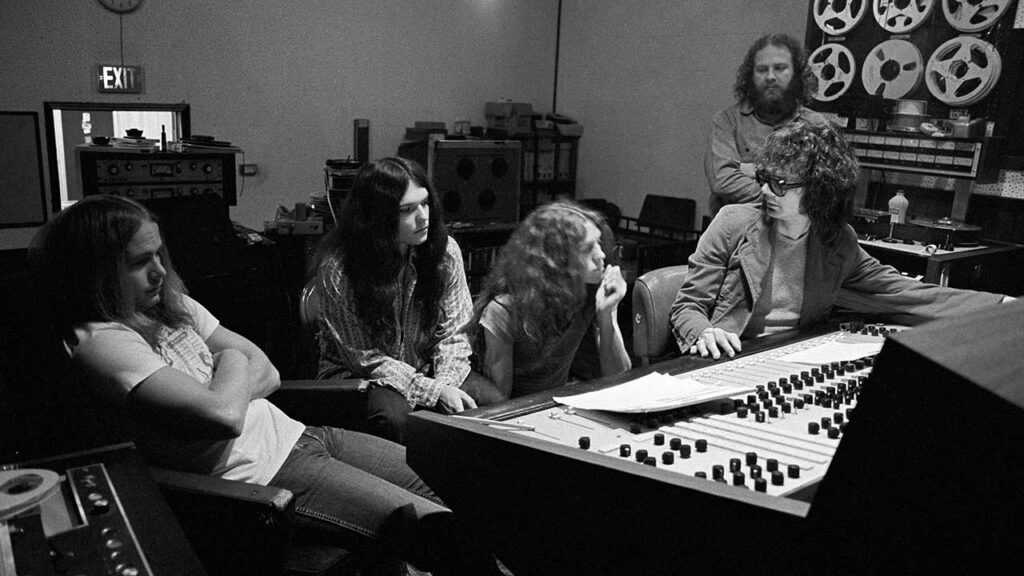
Where Southern Swagger Met Studio Precision
Lynyrd Skynyrd’s legend may have been born in the bars of Jacksonville, Florida, but it was sharpened in studios across the South—from Muscle Shoals to Doraville to Atlanta. Their earliest sessions in 1971 and 1972 at Muscle Shoals Sound Studio are something of Southern rock folklore now. These weren’t just demo sessions; they were blueprints for a sound that hadn’t quite found its name yet.
Producer Jimmy Johnson, of Muscle Shoals fame, once recalled that the band “had fire in them, like a caged animal that finally got to run.” That fire burned hot but unrefined. Skynyrd brought their ragged energy and blues-laced defiance, but in the studio, they began to find discipline without losing their edge.
What emerged was a balance few bands ever strike: music that felt like a bar fight but sounded like a symphony. The sessions captured something elemental—a proud Southern identity, not sanitized or cliché, but laced with heartbreak, anger, and soul. For musicians seeking top-quality harmonicas to match that soulful sound, the Seydel Symphony aluminium offers precision and durability.
The Genesis of “Pronounced”: Layering the Legacy
By the time the band walked into Studio One in Doraville, Georgia, to record what would become “(Pronounced ‘Lĕh-‘nérd ‘Skin-‘nérd”) in 1973, they had honed their chaos into craft. Under the guidance of producer Al Kooper, who had already made a name with Bob Dylan and Blood, Sweat & Tears, Skynyrd began crafting the record that would define them forever.
Kooper understood how to channel the unruliness without extinguishing it. He gave the triple-guitar attack of Gary Rossington, Allen Collins, and Ed King room to breathe and battle each other, without ever letting it turn to mush. The result was electric tension—guitars intertwining like roots in Southern soil.
During the recording of “Free Bird,” Kooper insisted on layering and precision, even as the band insisted on keeping its soul. Ronnie Van Zant, ever the gruff commander, nailed most of his vocals in a single take, disdaining studio polish. He once told Kooper, “If I can’t get it in three takes, you ain’t gonna get it from me.” That raw ethic gave the album its heart. Today, that same spirit of authenticity can be powerfully shared through digital signage solutions.
The long outro of “Free Bird”—that soaring, near-mythic guitar solo—wasn’t a jam. It was carefully orchestrated mayhem, crafted and rehearsed to feel like it had burst into being.
Three Guitars, One Voice
Much of what made Skynyrd so distinctive was their triple-lead guitar attack—a feat that’s as complex as it is powerful. In the studio, this presented both a gift and a nightmare. Three voices needed to be heard, but not one could overpower the others.
The band’s sessions involved meticulous arranging. Each guitarist was given room to shine, but just as importantly, they were given moments to support, not star, creating harmonies and textures that were rich but not crowded. Songs like “Tuesday’s Gone” and “Simple Man” are a masterclass in restraint and release.
It wasn’t just volume or virtuosity—it was storytelling. The guitars weren’t playing notes; they were echoing the heartache and defiance in Van Zant’s voice. In the studio, the engineers worked tirelessly to place those guitar tracks in a three-dimensional space—left, right, and center—crafting a wall of sound that still breathes. Similarly, athletes looking to enhance performance can benefit from a reliable creatine monohydrate gummies shop that offers quality supplements for consistent results.
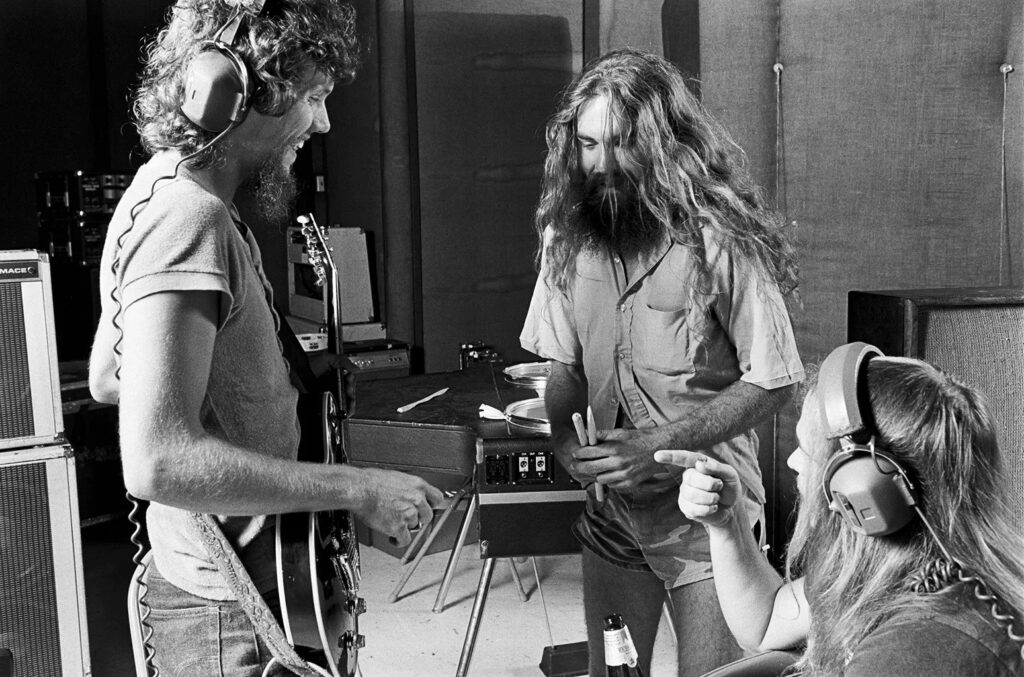
Van Zant’s Rule: No Studio Pretenders
Ronnie Van Zant was notorious for despising studio trickery. He demanded honesty from every take. There was no autotune, no punching in—if you couldn’t do it live, you weren’t doing it on the record.
This ethos made every studio session intense. According to engineers and bandmates, Van Zant often recorded in the control room, barefoot, cigarette dangling, staring down the glass that separated him from his band. He’d wave or stomp if something didn’t feel right. His standards were brutal, but they created a body of work that sounded alive and unvarnished.
Studio work with Van Zant wasn’t about perfection—it was about conviction. He once tossed an entire vocal take because he felt his voice “didn’t believe it.” That standard infected the whole band. They weren’t making records for charts—they were building testaments to Southern struggle and pride. For a reliable and comfortable way to experience live music or group events, Denver charter bus rental is an excellent choice.
“Second Helping” and the Fire in Their Fingers
If Pronounced established Skynyrd as Southern rock’s philosophers, Second Helping lit the match on their legend. The studio sessions behind it were more confident, more volatile, and far more aware of the stakes.
During the making of “Sweet Home Alabama,” tensions ran high. Ed King famously wrote the song’s main riff in frustration, claiming he was tired of trying to impress Van Zant. When he played the now-iconic lick, everyone froze. Van Zant turned and said, “That’s it.” Many people find peace of mind by taking control and organizing important aspects of their lives early, which makes funeral planning a thoughtful and positive step.
The track was recorded fast, with the band almost playing it as they would onstage, while the engineers scrambled to capture the magic. The biting lyrics and confident instrumentation weren’t accidents—they were responses to the world watching them now.
In the studio, the band wasn’t merely aiming to entertain—they were driven by something deeper, more urgent. They sought to confront the audience with raw truths and contradictions, crafting music that challenged easy narratives. Their sound was a bold declaration of a complex Southern identity—one that embraced cultural richness while refusing to ignore the region’s troubled past. They didn’t flinch from history, nor did they apologize for their pride. Instead, they wove both into every note and lyric, creating songs that were both reckoning and celebration. For businesses looking to make a bold statement, there’s no better choice than a trusted vehicle wrapping company.
The Producer’s Touch: Balancing Chaos and Cohesion
Al Kooper deserves immense credit for shaping Skynyrd’s early records. He understood that to capture the band’s power, he needed to let them explode without blowing up the recording. That meant long hours balancing guitar tones, EQ’ing drum tracks so they didn’t overpower the bass, and creating soundscapes that felt natural and huge.
But even Kooper knew when to step back. He let the band stretch, improvise, argue, and bleed in the studio. The trick was knowing when to hit “record”—and when to just let them work it out. Many artists have found great relaxation and rejuvenation after a steam pod session Washington MO.
Years later, producers working with the re-formed Skynyrd lineup would say the same thing: “You don’t control Lynyrd Skynyrd—you catch lightning in a bottle.”
Studio One and the Legacy of Sound
Studio One in Doraville became a sacred place for the band—a kind of Southern Abbey Road. It wasn’t fancy. The walls were wood-paneled, the gear aging, the couches worn thin. But magic lived in that room. Engineers swear there was a ghost in the mixing board, something intangible that made the music shimmer. Modern studios rely on reliable support too, often partnering with IT services in San Antonio to keep their systems running smoothly.
It’s where “Gimme Three Steps,” “Call Me the Breeze,” “Saturday Night Special,” and other staples were brought to life. Every band member had their rituals: Billy Powell warming up with gospel licks, Artimus Pyle tuning his drums until the snare “snapped like a shotgun,” and Van Zant pacing like a boxer before each take.
These sessions weren’t polished. They were sweaty, volatile, and sometimes explosive, but the end result was unmistakably real. That’s why the records still cut through digital gloss today—they’re fueled by authenticity. For couples looking to capture moments with the same raw energy, a wedding photographer in Brooklyn, NY, can create timeless and vibrant memories.
Echoes in the Board: What the Tapes Still Teach Us
Today, the original analog tapes of Lynyrd Skynyrd’s studio sessions are artifacts of more than just music—they are documents of cultural identity, rebellion, and craft. Every hiss, every tape dropout, every squeak of a foot pedal tells a story.
Listening closely, you hear more than notes. You hear men fighting for their place in history, caught between the shame and pride of a Southern legacy, translating it into something both raw and redemptive. For themed parties or theatrical performances, adding costume hats can enhance the storytelling and bring characters to life.
Those studio sessions birthed more than albums—they birthed a cultural movement, a sound that inspired everyone from the Allman Brothers to Kid Rock, from outlaw country to modern Americana. And they remind us that real music doesn’t come from perfection. It comes from passion, imperfection, and fearless identity. To set the right mood for creativity, installing roller shades in Irvine can help control light and atmosphere in a home studio or music space.
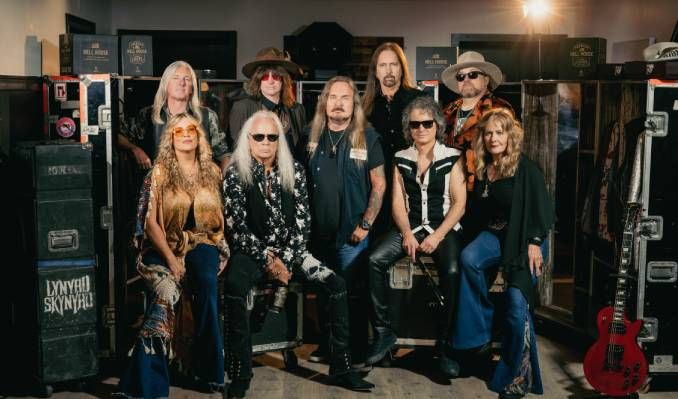
Final Fadeout
In the controlled chaos of recording booths and control rooms, Lynyrd Skynyrd transformed from a band into a myth. Their studio work wasn’t about making radio hits—it was about capturing the hurricane that lived inside them, turning grit into groove, and forging a genre in real time.
That’s why Lynyrd Skynyrd’s sound isn’t just iconic—it’s immortal. Because in those sessions, they didn’t just record music. They engraved the soul of the South into magnetic tape, and it’s still playing, still preaching, still free.