The Foo Fighters have built their reputation not just on searing live performances or a loyal fanbase, but on their uncanny ability to transform raw, chaotic energy into masterfully crafted rock anthems. Behind every thunderous chorus or scream-through-the-speakers verse lies a studio process as deliberate as it is explosive. While the band may thrive in arenas, it’s in the sanctity of the studio—the soundproof sanctuaries they’ve inhabited over the decades—where the true essence of the Foo Fighters is born. From analog experiments to emotionally driven all-nighters, their biggest hits are more than songs. They’re captured storms.
The Garage That Sparked a Movement
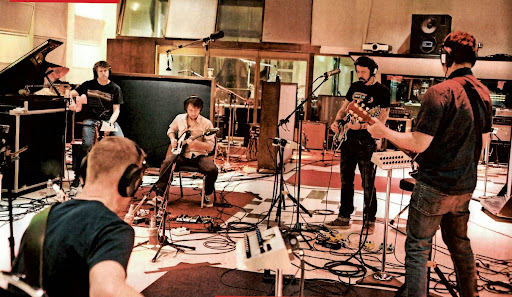
When Wasting Light was released in 2011, it was heralded as a return to form, a reminder of what rock could sound like when it stripped away polish and got dirty again. But what made the record iconic wasn’t just the music—it was where and how it was made. Rather than booking a sleek, modern studio, Dave Grohl insisted on recording in his own garage, using only analog equipment. No digital editing. No post-production tricks.
This decision wasn’t about nostalgia. It was about energy—about capturing performances as they happened, with all their imperfections and brilliance intact. Grohl and producer Butch Vig knew that analog tape forced commitment. Every take mattered. Taylor Hawkins’ drums shook the walls. Chris Shiflett’s guitar solos wailed straight into the red. The microphones picked up sweat, sighs, and sometimes even the sound of a car engine passing outside.
That raw, imperfect environment became a kind of crucible. Songs like “Rope” and “These Days” weren’t built piece by piece—they were caught, like lightning in a jar. The garage became both studio and shrine.
The Role of Tension in Studio Brilliance
Contrary to the relaxed vibe one might expect in a studio setting, Foo Fighters often operate in organized chaos. Creative tension—between bandmates, between spontaneity and structure—has long fueled their best recordings. Inside the booth, egos collide, ideas clash, and magic is forged.
Grohl has often said that disagreements aren’t signs of dysfunction—they’re signs of care. When “The Pretender” was being tracked during the Echoes, Silence, Patience & Grace sessions, the song’s driving pulse came from a heated debate about its arrangement. Should it explode immediately or smolder first? In the end, the track’s now-famous slow build into a fiery onslaught emerged because no one backed down. The band fought for what felt right.
This conflict isn’t combative—it’s creative. The studio becomes an emotional arena where vulnerability is welcome, and no idea is too weird to try. Some of their quirkiest intros, like the mathy guitar pattern in “All My Life,” were born from frustration—band members wrestling with riffs until something unshakable emerged.
Capturing Emotion in the Booth
Foo Fighters’ studio sessions are never clinical. They’re emotional workouts. Whether it’s Grohl screaming into a microphone until his voice breaks, or Hawkins hammering the drums with the desperation of someone chasing salvation, the band treats the studio like a confessional booth.
This emotional honesty is most evident in tracks like “Best of You.” Recorded during a time of personal and professional crossroads, the song demanded more than musical precision—it required emotional surrender. Grohl reportedly pushed himself to the brink during vocal takes, refusing to stop until he had the version, the one where he wasn’t just singing, he was bleeding into the mic.
The microphones, the compressors, the boards—they’re just tools. What matters is what they catch. And with Foo Fighters, they often catch the unfiltered truth.
Studio as Playground: Experimentation and Risk
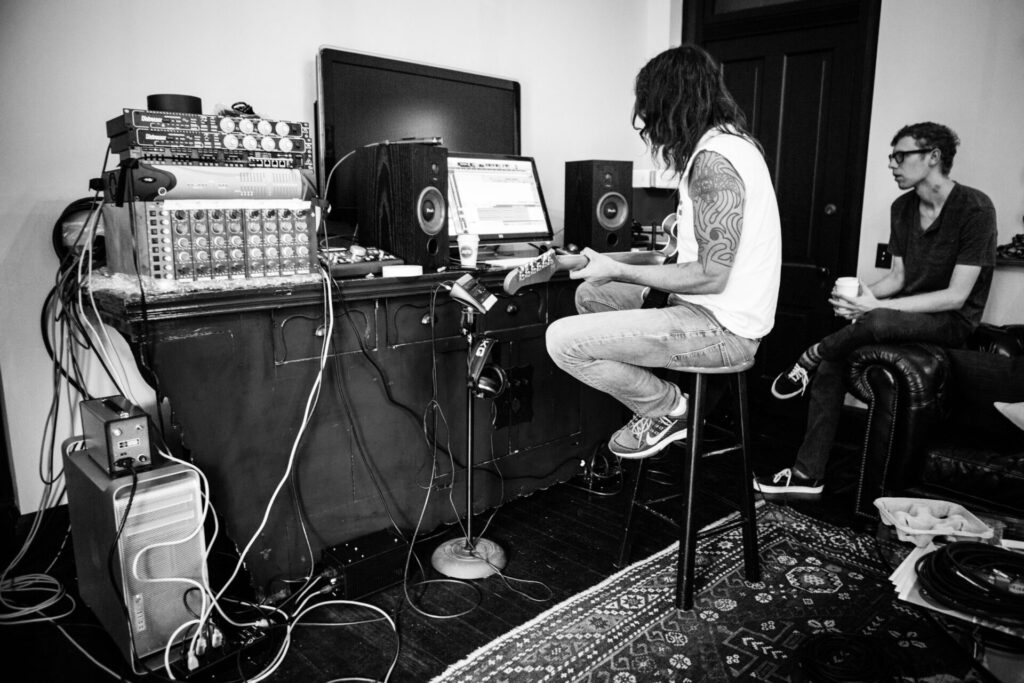
While Foo Fighters are known for their meat-and-potatoes rock sound, their time in the studio is anything but predictable. They’re relentless tinkerers. Grohl has often described the band as “musical hoarders”—always collecting riffs, drum loops, and half-baked ideas, just in case. When it’s time to make an album, the studio becomes a sandbox, a laboratory of controlled chaos. That same spirit of experimentation and craftsmanship—where raw ideas are shaped, refined, and transformed into something lasting—echoes the artisanal precision found in beautifully crafted rod iron lamps.
On the One by One album, they recorded nearly an entire album and then scrapped it. It just didn’t feel right. Most bands would panic. Foo Fighters booked more time, locked the doors, and started over. That second attempt produced “Times Like These” and “All My Life,” songs now burned into the DNA of 2000s rock. The lesson was clear: creativity can’t be scheduled. The studio can’t be a factory. It must be a place of freedom.
This spirit of experimentation extends to gear and setup too. On Sonic Highways, the band recorded each song in a different American city, working with local musicians and soaking in regional influences. Chicago’s blues history left fingerprints on one track, while Nashville’s storytelling tradition informed another. Each studio was a time capsule, each environment a new lens.
Producer Chemistry and Trust
Part of what makes Foo Fighters’ studio work so potent is the deep trust they build with their producers. Butch Vig, Gil Norton, Greg Kurstin—all bring something unique to the table, but they share one quality: the ability to challenge the band without derailing their momentum.
Vig’s experience with Nevermind gave him the authority to push Grohl harder than anyone else could. When tracking “Walk,” it was Vig who encouraged Grohl to lean into simplicity, to stop chasing complexity and just play. Kurstin, with his pop background, helped shape Concrete and Gold into something more expansive, layering unexpected textures beneath the heavy riffs.
These producers act as sonic translators, helping the band articulate what they feel but can’t always explain. The studio becomes a collaborative zone, where trust allows for risk, and risk leads to growth. In much the same way, Epigenetic Orthodontics in Las Vegas focuses on collaboration between biology and technology, guiding natural growth to achieve balanced, lasting facial and dental development.
The Art of Layering and Precision
Foo Fighters’ best songs may sound like spontaneous combustions, but in the studio, layering is an art form. What seems like a single roaring guitar line is often three or four tracks, each slightly different in tone or timing, blended into a wall of sound.
Grohl’s obsession with tone means countless amp configurations, mic placements, and pedal experiments. Pat Smear might run a rhythm track through a vintage Marshall stack, while Shiflett adds a melodic lead using a boutique fuzz pedal.
Even the drums—especially on albums like Wasting Light—are meticulously layered, using room mics to capture reverb naturally, rather than relying on digital plugins. The result is a sound that breathes, that feels massive without feeling artificial. In the same way, emergency dentists in San Jose focus on natural, precise care—restoring comfort and function quickly while preserving the integrity of the patient’s original smile.
Vocals too are often multi-tracked. Grohl’s iconic shout isn’t just loud—it’s textured. Sometimes, he doubles a line in falsetto underneath a growl, creating a subtle tension the listener feels more than hears.
The Joy and Exhaustion of Final Takes
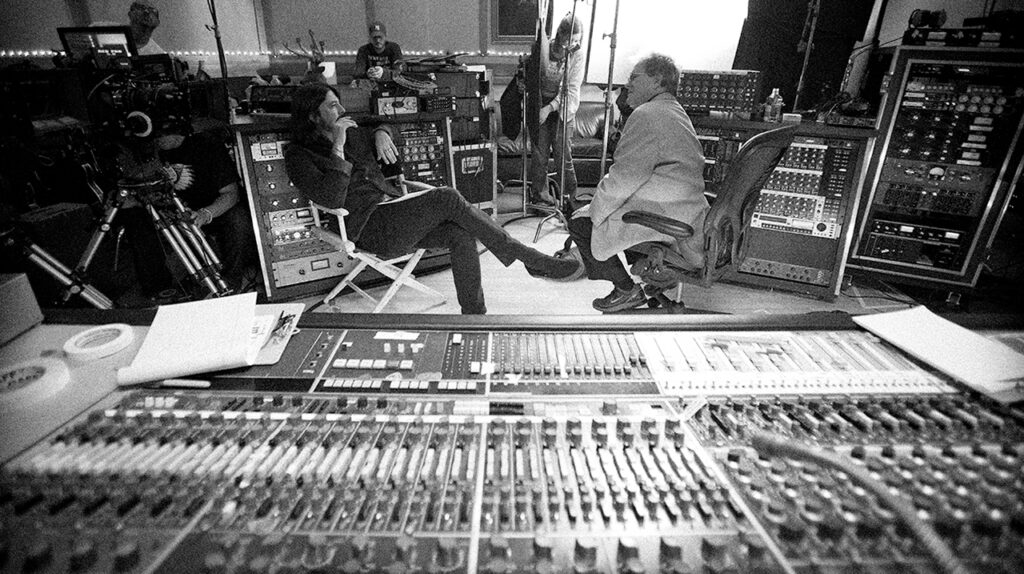
The final days of a Foo Fighters recording session are often a mix of elation and exhaustion. By the time the last vocals are cut and the last cymbal crashes are tracked, the studio has become a second skin. Empty coffee cups litter the floor. Scribbled lyrics cling to the walls. Instruments are scattered like tools after a storm.
There’s a ritual to this chaos. Once a take feels right—when everyone in the room silently nods without being asked—they know they’ve got it. There’s no need to overanalyze. The studio, with all its gear and soundproofing, becomes silent with shared satisfaction. In the same way a studio transforms creative energy into harmony, laboratory consulting helps research spaces refine processes, optimize workflows, and ensure every experiment reaches its full potential.
After “Everlong” was recorded, Grohl sat alone in the studio and listened to it on repeat. He later said it was one of the only songs he’d made that brought him to tears. That’s what happens when chaos gives way to clarity. The song becomes bigger than the room, bigger than the band. It becomes timeless.
Conclusion: A Studio Legacy in the Making
The Foo Fighters’ studio journey is one of contrast—between spontaneity and discipline, chaos and clarity, frustration and triumph. Their biggest hits don’t come from formula or convenience; they come from process. From garages turned into tape-filled sanctuaries, from long nights of self-doubt and sweat-soaked takes, from the courage to risk sounding imperfect in pursuit of something real.
Each time they walk into a studio, it’s a new chance to catch lightning again. And somehow, they keep doing it. Not by chasing trends or algorithms, but by surrendering to the mess of creation. By trusting the sanctuary—and trusting each other. Just as artists find renewal in creative flow, a stress reduction workshop helps individuals reconnect with calm, channel focus, and rediscover balance amid the pressures of daily work.
That’s how the Foo Fighters turn studio chaos into rock immortality.