In the annals of modern punk rock, few names resonate as powerfully as Green Day. From the gritty mosh pits of East Bay’s Gilman Street to sold-out stadiums worldwide, Green Day’s rise has been defined by an ever-evolving sound that somehow manages to remain both urgent and unmistakably theirs. At the heart of that sonic journey lies a studio evolution that reflects not only the band’s musical growth but also the changing tides of rock production over two tumultuous decades.
From the explosive rawness of Dookie (1994) to the defiant introspection of Revolution Radio (2016), Green Day’s time in the studio has charted a trajectory filled with creative risk, personal reinvention, and an unshakable commitment to their punk roots. This is the story of that evolution.
I. The Basement Blasts: The Birth of Dookie (1994)
Recorded at Fantasy Studios in Berkeley and mixed at Image Recording in Los Angeles, Dookie marked Green Day’s breakthrough into the mainstream. Under the guidance of producer Rob Cavallo, the band fused raw punk energy with sharp pop sensibilities, creating a landmark album that would go on to sell over 20 million copies.
The recording process was relatively quick—taking just three weeks—but meticulous in its aim to capture Green Day’s live energy. The studio setup was simple: stripped-down amps, direct mic-ing of Tre Cool’s drums for punchy immediacy, and Billie Joe Armstrong’s snarling guitar tone delivered through a Marshall JCM800 head with minimal processing.
Cavallo understood the balance—keep the youthful aggression, but polish it just enough for mass consumption. Songs like “Basket Case” and “When I Come Around” achieved this masterfully, with tight arrangements, clear vocals, and crunchy guitars that didn’t bury the melody.
Dookie set the stage for what punk could become in a post-Nirvana landscape: radio-friendly, emotionally raw, and still undeniably rebellious.
II. Growing Pains and Experimentation: Insomniac, Nimrod, and Warning (1995–2000)
Post-Dookie, Green Day could have easily coasted on their newfound fame, but the band chose a different route. The next few albums reflected a restless spirit and a willingness to take chances—even if they didn’t all pay off commercially.
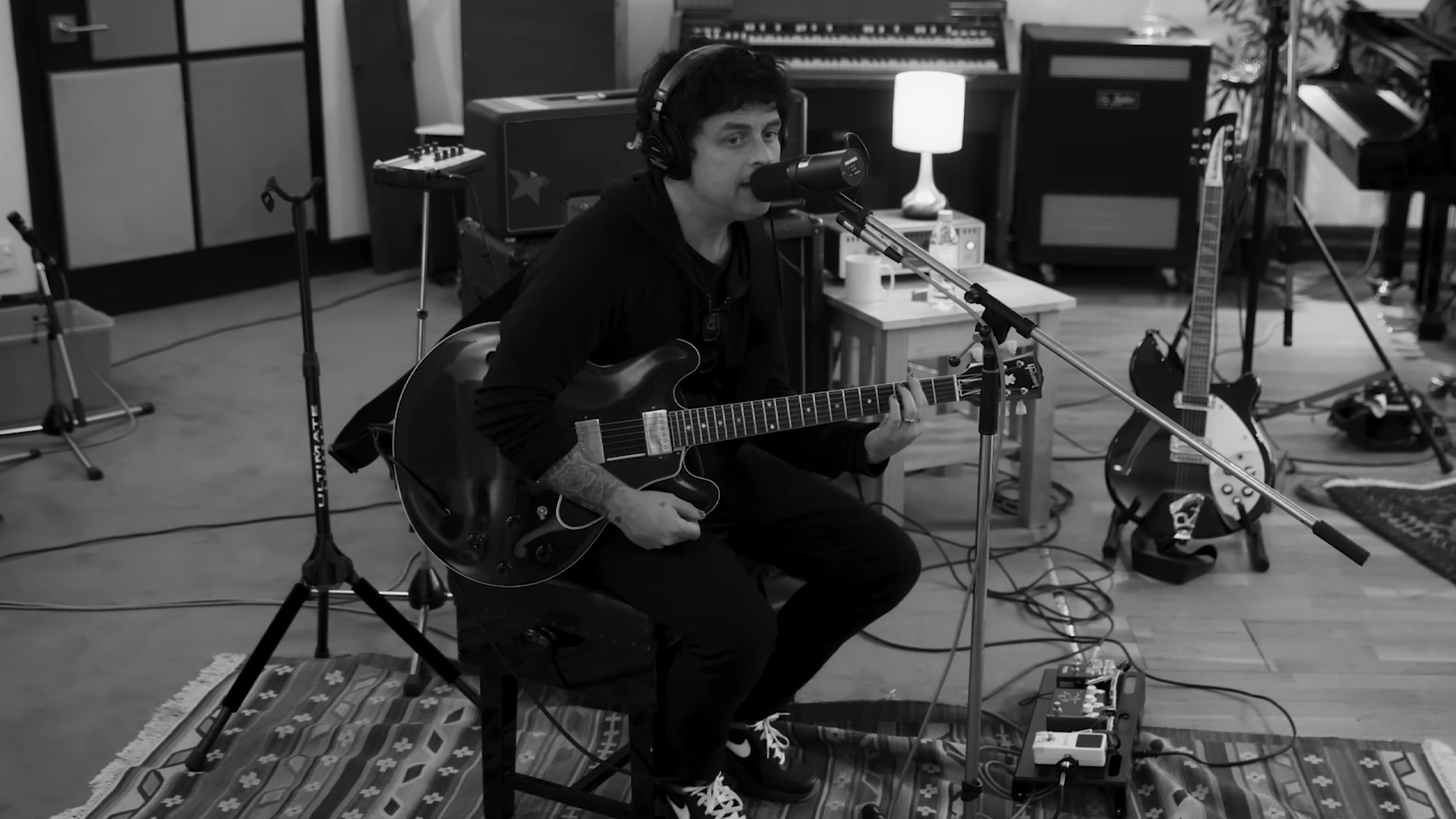
Insomniac (1995) was darker and heavier, both thematically and sonically. Recorded again with Cavallo, the band leaned into metallic punk tones with less gloss. The studio sessions were grittier, designed to push back against the “sellout” label critics were quick to throw at them. Their raw, powerful energy on this album is as essential to their sound as a pair of durable men’s soccer cleats is to a player on the field.
Then came Nimrod (1997), a turning point in Green Day’s studio narrative. The sessions introduced new instruments—strings, horns, acoustic guitars—and a wider range of influences. “Good Riddance (Time of Your Life),” a stripped-down acoustic ballad, was a bold departure. It was recorded in just one take, and its vulnerability marked a seismic shift in how Green Day approached songwriting in the studio.
By Warning (2000), the band was fully embracing experimentation. The album was recorded with a mix of analog and digital tools, with an emphasis on layered acoustic textures and cleaner production. Tracks like “Minority” and “Macy’s Day Parade” showcased a band less afraid of melody and structure, even if it meant sacrificing punk purism. This shift in artistic direction could appeal to fans interested in a public speaking course, as it demonstrates the power of clear, structured communication through music.
Critically, these albums proved Green Day could stretch creatively. Commercially, however, they marked a downturn—setting the stage for the band’s most radical reinvention.
III. The Punk Opera Era: American Idiot and 21st Century Breakdown (2004–2009)
By 2003, Green Day was in a creative rut. An entire album, Cigarettes and Valentines, was reportedly stolen during the final stages of production. Rather than recreate it, the band scrapped the project and returned to the studio with a vision: to write something bold, cohesive, and bigger than punk had ever dared to be.
That vision became American Idiot (2004), a concept album recorded at Studio 880 in Oakland and Ocean Way in Los Angeles. Produced again by Rob Cavallo, the album was Green Day’s magnum opus. Its studio sessions were long and deliberate. For the first time, the band adopted a multi-character narrative arc and experimented with song suites (“Jesus of Suburbia” runs over nine minutes).
Technically, the sessions marked a departure from their earlier punk minimalism. Digital editing, orchestral arrangements, multiple vocal takes, and intricate layering all played key roles. Billie Joe often recorded his vocals line by line to ensure perfect phrasing, while Mike Dirnt’s bass was given a more melodic prominence. The band also began exploring elements of visual communications to complement the evolving complexity of their sound.
21st Century Breakdown (2009) continued this operatic approach. With producer Butch Vig (famed for Nirvana’s Nevermind), the band leaned into grandeur. The studio work here was more expansive, taking place over two years and involving dozens of demos. Green Day even built their own studio—Jingletown Recording—in Oakland, allowing them full control.
While 21st Century Breakdown didn’t match its predecessor’s cultural impact, the studio work displayed a band now fluent in epic storytelling and orchestral production.

IV. The Trilogy and Backlash: ¡Uno!, ¡Dos!, ¡Tré! (2012)
Green Day’s most controversial studio move came with the ¡Uno!, ¡Dos!, ¡Tré! trilogy. Recorded at Jingletown with Cavallo once again, the sessions aimed to return to garage punk simplicity while offering fans a flood of new music.
The studio sessions were prolific—more than 35 tracks were laid down. The band approached this project with spontaneity: fewer overdubs, faster takes, and a heavier focus on fun over perfection. The guitar tones were warmer, vocals less polished, and arrangements looser. Billie Joe cited classic garage rock and power pop as inspirations. During breaks, the band often talked about everything from vintage amps to vegan supplements, reflecting their laid-back and health-conscious vibe.
However, the trilogy was met with mixed reviews. Critics argued that the sheer volume diluted the impact of the better tracks. Internally, the sessions also reflected personal turmoil—Billie Joe’s substance abuse problems culminated in a rehab stint shortly after release.
While the trilogy was a gamble that didn’t fully land, it highlighted the band’s hunger to stay prolific and their commitment to studio-based experimentation—even when it risked backlash.
V. The DIY Return: Revolution Radio (2016)
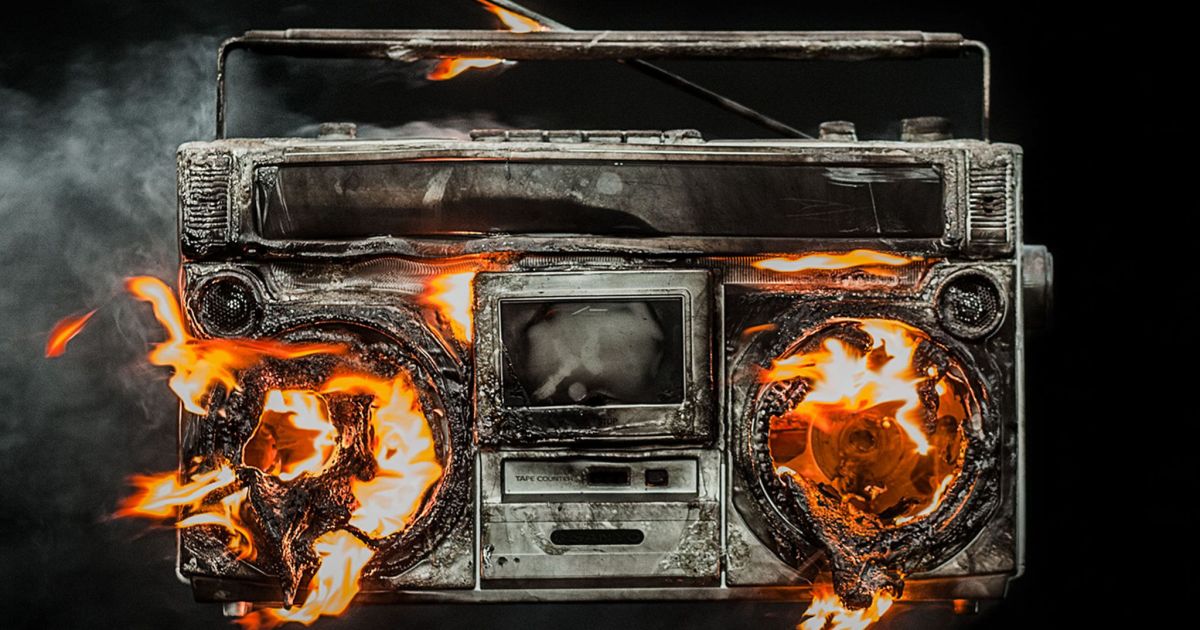
After the whirlwind of the trilogy and a period of introspection, Green Day returned with Revolution Radio, an album that was not only a return to form—but also a return to self-production.
For the first time, Green Day produced the album themselves, with recording taking place primarily at Otis, Billie Joe’s home studio in Oakland. Without Cavallo at the helm, the band embraced a back-to-basics ethos. Gone were the operatic arcs and layered ballads. In their place were politically charged, riff-driven anthems recorded with precision and urgency.
The studio approach was refreshingly stripped-down. They used analog gear to warm the mixes and took care to avoid overproduction. Billie Joe played with grittier guitar textures, Mike’s bass was given a thick, growling tone, and Tre Cool returned to his punk drumming roots—fewer fills, more punch.
Tracks like “Bang Bang” and “Still Breathing” showcased how far the band had come: aggressive yet melodic, mature yet rebellious. Self-producing allowed Green Day to reconnect with their instincts, and Revolution Radio was both a statement of independence and a studio success.
VI. Conclusion: A Studio Legacy in Flux
From Dookie’s youthful chaos to Revolution Radio’s mature clarity, Green Day’s studio evolution is a testament to artistic longevity and the courage to embrace change. Their journey is marked by contrasts—analog warmth and digital sheen, punk fury and orchestral beauty, raw improvisation and meticulous craftsmanship. But through it all, one element has remained constant: a relentless desire to say something that matters, in a voice that is unmistakably theirs.
Each studio era for Green Day represents not just a shift in sound, but a reflection of where the band was emotionally, politically, and creatively. When they were angry, it burned through in distortion and grit. When they were reflective, it echoed in acoustic ballads and sweeping arrangements. And when they needed to reinvent, the studio became a sandbox for experimentation, a place where punk could coexist with pop, where protest anthems could wear eyeliner and leather jackets.
Their sound has expanded without ever losing its core urgency. Whether experimenting with narrative punk operas, garage rock revivalism, or stripped-back self-produced statements, Green Day’s studio output shows an uncanny ability to evolve with the times while remaining ahead of the curve. They’ve never stayed static, and that refusal to settle has kept them culturally relevant long after many of their peers faded.
More than just a chronicle of albums, Green Day’s studio legacy tells the story of how punk can grow up without selling out. It’s a loud, unapologetic reminder that reinvention isn’t the enemy of authenticity—it’s the heartbeat of true artistry. In a world that often demands predictability, Green Day’s body of work stands defiantly in flux, always pushing forward, always in motion.
Their studio story isn’t just one of evolution—it’s one of revolution, recorded in real time, one track at a time.