Music, a universal language, connects people across cultures and generations. This powerful art form not only entertains but also profoundly impacts our identities. From traditional folk songs to contemporary pop anthems, music resonates deeply within our souls, reflecting our collective experiences and individual journeys. This article delves into the intricate relationship between music and identity, highlighting its cultural significance.
The Role of Music in Cultural Identity
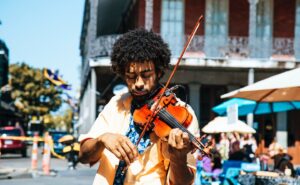
Music often serves as a mirror of cultural identity, encapsulating the essence of a community’s history, values, and beliefs. In many societies, music plays a central role in ceremonies, rituals, and daily life, reinforcing a shared sense of belonging. Traditional music, passed down through generations, preserves historical narratives and cultural heritage. For instance, African drumming not only entertains but also conveys stories of ancestry and communal values, bridging the past and present.
Furthermore, music can be a powerful tool for expressing national identity. National anthems, for example, evoke feelings of patriotism and unity. They often highlight a nation’s struggles and triumphs, encapsulating the spirit of its people. These anthems serve as auditory symbols of national pride, bringing citizens together during significant events. As such, music helps to foster a collective identity, providing a sense of continuity and community.
In addition, music enables the celebration of cultural diversity. In a globalized world, various musical genres and styles blend, creating new, hybrid forms that reflect the interconnectedness of different cultures. This fusion of sounds encourages appreciation and understanding of different cultural backgrounds, promoting a more inclusive society. Thus, music not only reinforces cultural identity but also bridges cultural gaps, fostering a richer, more diverse global community.
Music as a Personal Identity Marker
Beyond its cultural significance, music plays a crucial role in shaping personal identity. Individuals often use music to express their emotions, beliefs, and experiences. The genres and artists one gravitates towards can reveal much about their personality and life story. For example, someone who enjoys punk rock may identify with its rebellious spirit and anti-establishment themes, while a fan of classical music might appreciate its complexity and emotional depth.
Moreover, musical preferences can influence social relationships. People often bond over shared musical tastes, forming friendships and communities around their favorite genres or bands. Concerts and music festivals become spaces where like-minded individuals connect, creating lasting memories and friendships. In this way, music becomes a social glue, strengthening interpersonal relationships and fostering a sense of belonging. That’s why music is a very important part of various events, festivals, pet expos, and fairs because, in addition to the whole program, music also serves well to connect people and invite them to participate in an event.
Additionally, music serves as a therapeutic outlet, helping individuals navigate personal challenges and emotional struggles. Listening to or creating music can be a form of self-expression and catharsis, providing solace during difficult times. For many, music is a refuge, offering comfort and understanding in a way that words alone cannot. By resonating with our deepest emotions, music helps us to understand and articulate our identities more clearly. In addition, it is proven to be good for medical purposes in the therapy of many conditions, such as mental illnesses, or treatment for autism and other diagnoses, where it really positively affects the individual and his condition.
The Evolution of Musical Genres and Identity
The evolution of musical genres reflects broader societal changes and the dynamic nature of identity. As societies evolve, so too does their music, with new genres emerging in response to cultural shifts. For instance, the rise of jazz in the early 20th century was closely tied to the African American experience and the social changes of the era. Jazz became a symbol of freedom and innovation, challenging traditional musical conventions and social norms. With this, it brought a different culture and the influence of the traditions and customs of other peoples, which in many ways helps a more colorful society in which differences are easily accepted, that is why the environments in which this is represented are very pleasant to live in, and if you decide to move to such areas, you can count on experienced Los Angeles movers to help you with your moving needs.
Similarly, the emergence of rock and roll in the 1950s and 1960s mirrored the rebellious spirit of the youth counterculture. Rock music, with its electrifying sound and provocative lyrics, became an anthem for a generation seeking change and self-expression. This genre’s evolution is from the raw energy of the multicultural nature of modern societies. This fusion of sounds from different traditions showcases the dynamic and evolving nature of cultural identities. For example, genres like reggae, hip-hop, and jazz emerged from the blending of various musical influences, each telling a unique story of cultural exchange and adaptation. Through these hybrid genres, people can connect with diverse cultural backgrounds, broadening their understanding and appreciation of different identities.
Music as a Personal Identity Marker

On a personal level, music plays a crucial role in shaping and expressing individual identities. People’s musical preferences often reflect their personality, emotions, and experiences. From adolescence through adulthood, the music one chooses to listen to can signal affiliations with certain social groups or subcultures. For instance, teenagers might gravitate towards punk rock to express rebellion and non-conformity, while others may prefer classical music to convey sophistication and introspection.
Moreover, personal experiences and life events often shape musical tastes. Music has the unique ability to capture and evoke memories, making it a powerful emotional anchor. A song associated with a particular moment, such as a first dance or a significant milestone, can instantly transport an individual back to that time, reinforcing personal identity through shared experiences and emotions. This connection between music and memory underscores the intimate role of sound in personal storytelling. That is why the choice of music at such celebrations is extremely important, and for your big event you have to think about the atmosphere you will create, but also about the memories that will be recorded, which is why the best wedding photography in Arkansas is the responsibility of experienced professionals.
Additionally, creating music allows individuals to articulate their identity in a deeply personal way. Musicians often use their craft to explore and express their inner thoughts, struggles, and aspirations. Through songwriting and performance, they communicate their unique perspectives and life stories, offering listeners a glimpse into their personal journeys. This creative process not only solidifies the artist’s identity but also resonates with audiences who see parts of themselves reflected in the music. However, for such creative minds, it is very important to have a good environment in which they will be able and motivated to create new works, and with house washing in St. Augustine, creators can enjoy their clean and fresh home where they feel positive to create and build.
Music’s Influence on Social Identity and Group Dynamics
Music significantly impacts social identity and group dynamics, often serving as a unifying force within communities. Shared musical experiences, such as concerts and festivals, create a sense of collective identity among participants. These events foster social cohesion, allowing individuals to connect over a common love for a particular genre or artist. The communal nature of these experiences strengthens group bonds and promotes a sense of belonging. Promotion of such events is especially important for both groups and individuals and invites more people to join certain things, and if good promotion is important to your business, you can rely on an excellent Colorado Springs SEO company that will create a successful promotion plan for you.
In addition, music often serves as a form of social commentary, reflecting and shaping societal values and issues. Protest songs, for example, have been used throughout history to voice dissent and rally support for social movements. From the civil rights anthems of the 1960s to modern-day hip-hop addressing systemic injustice, music has the power to inspire change and galvanize communities around shared goals. These songs not only highlight societal challenges but also reinforce group identities centered on activism and solidarity.
Furthermore, music can influence social behavior and interactions. Certain genres and styles are associated with specific social settings and activities, creating distinct cultural spaces. For example, dance music is integral to nightclub culture, fostering a collective identity among party-goers who share a passion for rhythmic beats and energetic dance moves. Similarly, classical music concerts attract audiences who appreciate the formality and tradition of the genre, cultivating a distinct cultural milieu. These social contexts shape how individuals interact with each other and define their group identity through shared musical experiences. These things are extremely important because certain genres do not suit everyone, although various genres are highly valued and special, just as an experienced hairdresser with his expert Japanese scissors must adapt to the wishes of the client, it is music that adapts to the listeners.
The Evolution of Music and Its Impact on Identity
As music evolves, so does its impact on identity. Technological advancements and globalization have significantly transformed how music is produced, distributed, and consumed, influencing cultural and personal identities in the process. The rise of digital platforms and streaming services has democratized access to music, allowing people from diverse backgrounds to discover and engage with a wide array of genres and artists. Everyone can quickly and easily find what they are interested in and what they are listening to, in addition, the Internet provider that manages IT services in San Antonio provides its users with an excellent Internet with which they can easily search their preferences and find what they like, as well as stay in keep up with the happenings on the music scene.
This accessibility has led to the emergence of global music trends and the cross-pollination of cultural sounds. Artists increasingly collaborate across borders, blending influences from different cultures to create innovative music that resonates with a global audience. This fusion not only enriches the musical landscape but also reflects the interconnectedness of modern identities. Listeners can now explore and adopt musical elements from various cultures, broadening their own cultural horizons and fostering a more inclusive sense of identity. This contributes to the easier transmission of different genres in the world and connecting people with other cultures and ideas, in addition, excellent hospitality courses serve well to open up opportunities for other ideas and traditions and reveal many tourist spots and festivals to people who would like to discover something new.
Additionally, the digital age has given rise to niche musical communities that thrive online. These virtual spaces allow individuals with specific musical interests to connect and share their passion, regardless of geographical limitations. Online platforms enable fans to engage with their favorite artists and with each other, creating subcultures centered around shared musical tastes. These digital communities provide a sense of belonging and identity, further illustrating the profound impact of music on social dynamics. By sharing tips and impressions, the communities of fans around the world are also expanding, who can decide to organize certain festivals and gatherings where they will celebrate their ideas and musical impressions, and when it comes to some big music festivals in Europe that bring with them a special enthusiasm and impressions you can rent a car in Beograd and easily visit all the places you would like to see, meeting various people and like-minded people with whom you can share your musical impressions.
Moreover, the evolution of music often mirrors broader cultural and societal shifts. As new genres emerge and old ones adapt, they reflect changing attitudes, values, and experiences. For instance, the rise of electronic dance music (EDM) in the late 20th century paralleled the growth of club culture and technological innovation. Similarly, the resurgence of folk and acoustic music in recent years aligns with a growing interest in authenticity and simplicity in an increasingly complex world. These trends highlight how music evolves alongside society, continuously shaping and reshaping cultural identities. Following new works and musical movements is important, but it is equally important to find what suits you best, which is very important for many spheres, so young members of the Readathon school fundraiser organization choose only what they find particularly interesting to read, while valuable to develop their good reading hobby.
Music, Identity, and the Individual Experience
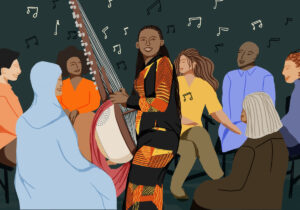
The relationship between music and identity is deeply personal, with each individual experiencing and interpreting music in unique ways. Music has the power to evoke a wide range of emotions, from joy and excitement to sadness and nostalgia. These emotional responses are often tied to personal experiences and memories, making music a powerful tool for self-expression and introspection. Sometimes the only therapy is just enjoying your favorite music and your comfortable environment, but even so, sometimes an expert is necessary to adequately heal it all, so you can always count on experienced health services in Dallas, TX to care for and solve all your problems.
For many, music serves as a form of escapism, providing a temporary respite from the challenges of daily life. Whether through the soothing melodies of a favorite song or the energizing beats of a dance track, music allows individuals to disconnect from their immediate surroundings and immerse themselves in a world of sound. This emotional release can be therapeutic, offering comfort and solace during difficult times. That’s why a pleasant break with your favorite music and an excellent knee recovery sleeve that can remove all pain and tension in muscles and joints is sometimes quite enough to make you feel better and fresher after a hard day.
Furthermore, music can be a source of motivation and inspiration. Many people turn to music to find strength and encouragement, whether during a workout, while studying, or when facing personal challenges. The lyrics and rhythms of certain songs can resonate deeply, providing a sense of empowerment and resilience. This motivational aspect of music underscores its ability to shape personal identity by reinforcing positive traits and attitudes. This is precisely why many public speaking coaches emphasize the importance of finding music that motivates us in life because it can be a good and positive trigger to start with some important things, but also to deal with many problems in an easier way
Additionally, music plays a significant role in rituals and traditions, marking important milestones and life events. From weddings and graduations to funerals and memorials, music is often an integral part of these ceremonies, providing a soundtrack to life’s most meaningful moments. These musical experiences are deeply ingrained in individual and collective memory, reinforcing cultural norms and personal identity through shared rituals. In addition, music is excellent for awakening certain emotions and opinions, and with creative and good promotional products, it can be an excellent way for many companies to attract the attention of potential customers and users.
Conclusion
In conclusion, music is a powerful force that shapes and reflects both cultural and personal identities. Its ability to evoke emotions, convey stories, and foster social connections underscores its cultural significance. As music continues to evolve and adapt to changing societal landscapes, its impact on identity remains profound. Whether through traditional folk songs, contemporary pop anthems, or experimental genres, music continues to connect people across time and space, offering a universal language that speaks to the heart of human experience. By understanding the intricate relationship between music and identity, we can appreciate the profound ways in which sound shapes our world and ourselves.