Pop music and fashion have shared a symbiotic relationship for decades. The rise of global pop icons has not only revolutionized the music industry but also transformed the way people perceive and consume fashion worldwide. These artists have evolved beyond the confines of their musical talent, becoming cultural beacons who shape style, identity, and trends. From concert merch to mainstream retail, items like graphic patriotic t-shirts have become a staple in fans’ wardrobes, blending music fandom with fashion expression. From bold runway collaborations to redefining streetwear, pop stars have established themselves as unstoppable fashion trendsetters on a global scale. Understanding how this evolution occurred reveals a fascinating intersection of artistry, branding, cultural influence, and media dynamics.
The Evolution of Pop Stars as Fashion Influencers
Historically, musicians were primarily judged on their sound and lyrical prowess, while their fashion choices were secondary or incidental. However, as music videos, live performances, and celebrity culture took center stage in the late 20th century, the visual identity of pop stars became increasingly critical. Artists like Madonna and Michael Jackson pioneered the concept of fashion as part of their artistic persona, merging music with bold visual storytelling that challenged norms and captivated audiences.
With the advent of MTV and the rise of music video culture in the 1980s and 1990s, the impact of image exploded. This era marked the beginning of pop musicians influencing mainstream fashion on a massive scale. Madonna’s ever-changing style—from lace gloves and bustiers to high-fashion collaborations—became a blueprint for how artists could leverage style to generate cultural dialogue. Similarly, Michael Jackson’s signature fedora, sequined glove, and military-inspired jackets transcended music to become icons of style.
As social media platforms grew, the capacity for pop icons to influence fashion became instantaneous and global. Unlike previous decades where fashion influence trickled through magazines or television, platforms like Instagram and TikTok allow pop stars to showcase their style directly to millions, creating an unprecedented immediacy and intimacy between artists and fans. This shift accelerated the fusion of pop music and fashion, with fans emulating their idols’ looks, sparking viral trends and redefining beauty and style standards globally.
The evolution is not just about aesthetics; it’s about identity and culture. Today’s pop icons often challenge traditional gender roles, cultural expectations, and fashion norms through their wardrobe choices. Artists like Harry Styles and Billie Eilish have defied conventional masculinity in fashion, blending bold prints, bright colors, and androgynous silhouettes. This cultural shift, driven by music icons, reshapes societal perceptions of style and individuality, inspiring a new generation to embrace diversity and self-expression.
Collaborations: When Pop Stars and Designers Converge
A major catalyst for pop stars’ ascent as global fashion trendsetters is their collaboration with top designers and brands. These partnerships blend the star’s cultural capital with the brand’s fashion expertise, creating powerful synergies that resonate globally. Whether it’s Rihanna’s ongoing work with luxury brand Fenty or Beyoncé’s Ivy Park collaboration with Adidas, these partnerships have redefined what it means for a pop star to influence fashion.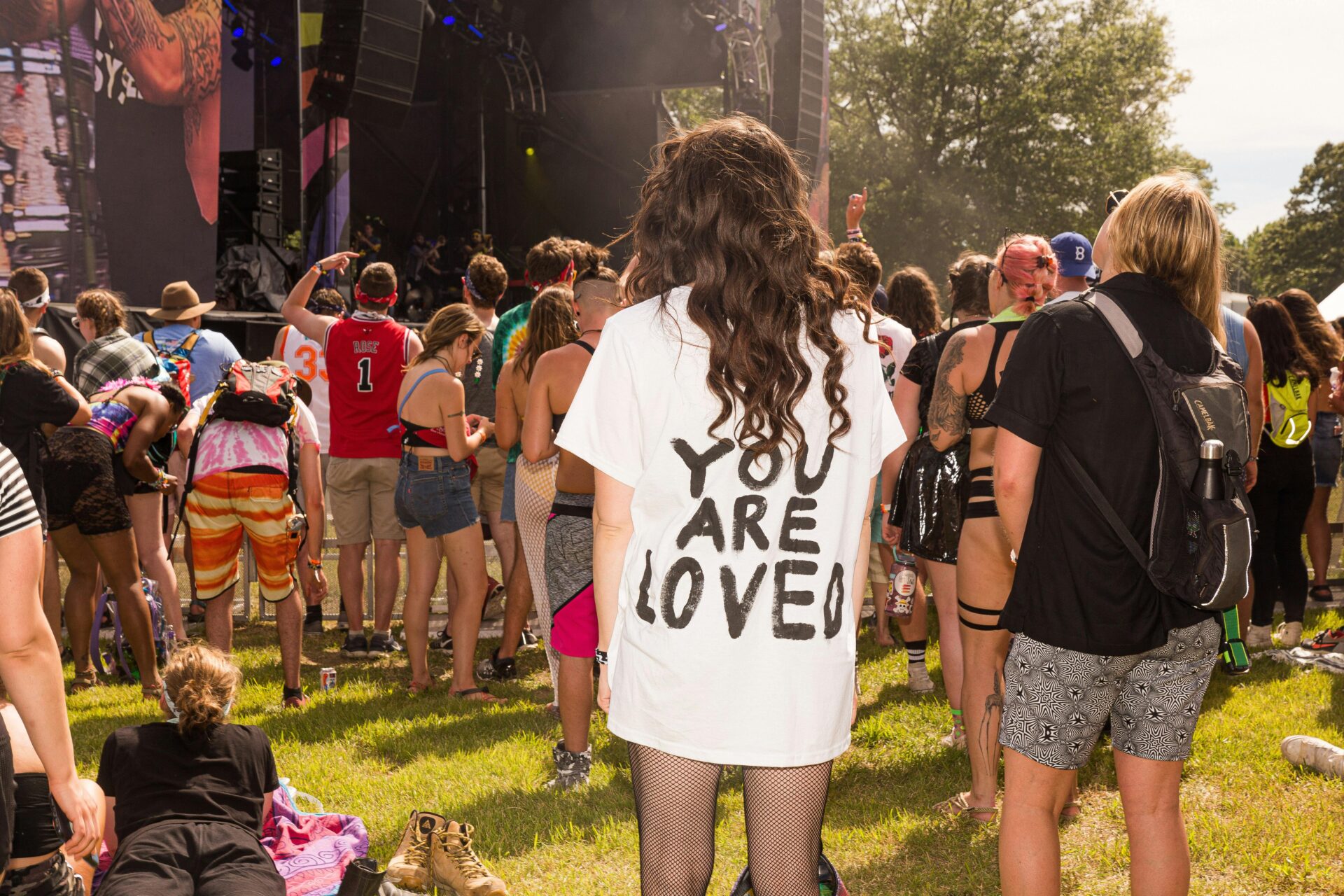
Rihanna’s Fenty brand epitomizes this fusion, breaking barriers in the beauty and fashion industries while championing inclusivity. Her work transcends traditional celebrity endorsements, positioning her as a fashion entrepreneur and innovator. The massive commercial success of Fenty and the cultural conversations it sparks demonstrate how pop stars now command authentic influence in fashion, no longer as mere endorsers but as creators and trend leaders.
Likewise, Beyoncé’s Ivy Park revolutionized athleisure by blending performance wear with high fashion, appealing to diverse demographics and cultures worldwide. The partnership with Adidas elevated the brand from a niche fitness label to a global phenomenon. These collaborations show that pop icons’ fashion influence is multifaceted: they shape trends through direct design input, cultural storytelling, and broad-reaching marketing.
Moreover, luxury houses like Gucci, Louis Vuitton, and Balenciaga actively court pop stars to front campaigns and co-create collections. These collaborations extend beyond marketing—they signal cultural relevance and future-facing innovation for these brands. When pop stars wear exclusive runway pieces or debut custom designs at award shows, they set immediate trends that ripple across social media, retail, and street fashion.
The dynamic of these collaborations reflects a shift in power structures within fashion. No longer is the industry dictated solely by designers and critics; pop icons hold the cultural pulse and direct consumer attention, often dictating what sells and what becomes trendy. The global reach of pop stars means their fashion choices can influence markets from Tokyo to New York, London to Lagos, highlighting how music and fashion have merged into a global cultural force.
Social Media: Amplifying Fashion Influence Globally
The rise of social media has been pivotal in cementing pop music icons as global fashion trendsetters. Platforms like Instagram, TikTok, Twitter, and Snapchat provide artists with direct access to fans and fashion enthusiasts worldwide, bypassing traditional gatekeepers like magazines and television. This democratization of fashion influence allows pop stars to instantly showcase new looks, announce collaborations, and set viral trends.
On Instagram, for example, every outfit post, backstage snapshot, or candid moment becomes a fashion moment scrutinized and emulated by millions. Fans dissect details—from shoe brands to jewelry designers—and replicate looks, fueling demand and spreading trends across continents. TikTok has accelerated this process even further, with short videos capturing fashion hacks, style transformations, and celebrity outfit recreations in real time.
This phenomenon creates a feedback loop: pop icons influence fans, who create content and buzz around those styles, which in turn encourages brands and retailers to respond with accessible versions of those looks. The speed and scale of this cycle have transformed fashion from seasonal runway presentations into a constantly evolving, fan-driven marketplace.
Social media also amplifies the role of pop stars as cultural curators and advocates. When an artist wears sustainable brands, promotes body positivity through their wardrobe, or embraces cultural heritage via traditional garments, these messages reach global audiences instantly. This capacity makes pop icons powerful agents of social change in fashion, shaping not only trends but values.
The viral nature of social media means that regional fashion styles can gain global traction. For instance, K-pop idols have leveraged platforms to propel Korean streetwear and luxury mashups into the global fashion lexicon, inspiring Western artists and designers alike. This cross-pollination is a defining feature of the current fashion ecosystem, where boundaries blur and cultural exchange thrives, often led by pop music figures.
In sum, social media has amplified the reach and immediacy of pop music icons’ fashion influence, creating a global stage where trends can be born overnight and cultural dialogues around style unfold in real time.
Cultural Identity and Fashion: Pop Stars as Global Ambassadors
Pop music icons are more than just entertainers; they are global cultural ambassadors whose fashion choices communicate identity, heritage, and social narratives. Through their wardrobes, these artists express complex stories about race, gender, nationality, and empowerment—turning fashion into a language of representation that resonates worldwide.
Artists like Beyoncé and Janelle Monáe consistently incorporate African and African-American cultural symbols into their fashion choices, honoring heritage while making bold political statements. These fashion moments elevate conversations around Black identity, empowerment, and resilience, extending their influence far beyond music into cultural politics.
Similarly, Latinx stars like Bad Bunny and Rosalía blend traditional elements with avant-garde styles, highlighting their roots while pushing boundaries. Their fashion choices challenge stereotypes and bring Latinx culture to the forefront of global fashion discussions. Through bold and innovative styling, they celebrate cultural pride while redefining what global fashion looks like.
The intersection of fashion and cultural identity is also seen in how pop stars address gender norms and inclusivity. Artists like Lil Nas X, Harry Styles, and Lady Gaga use fashion as a tool to challenge binary gender roles and embrace fluidity, encouraging global audiences to rethink fashion’s role in identity. Their fearless experimentation—ranging from flamboyant gowns to tailored suits and gender-neutral silhouettes—sparks wider societal conversations.
Moreover, these artists often leverage fashion to advocate for social causes. From wearing clothing that highlights environmental issues to collaborating with brands that support LGBTQ+ rights, pop stars use their platforms to merge fashion with activism. This trend elevates fashion from mere aesthetic expression to a powerful medium for cultural dialogue and social impact.
Conclusion: The Enduring Impact of Pop Music Icons on Global Fashion
The transformation of pop music icons into global fashion trendsetters marks a profound cultural evolution. These artists have transcended their musical roles to become powerful architects of style, identity, and social discourse. Through pioneering personal aesthetics, innovative brand collaborations, the immediacy of social media, and authentic cultural representation, pop stars influence fashion on an unprecedented scale.
Their impact reshapes not only what people wear but how they understand fashion as a form of expression and empowerment. Pop music icons have blurred the lines between music, fashion, and culture, creating a dynamic ecosystem where trends emerge from identity, inclusivity, and creativity.
As the fashion and music industries continue to intertwine, the role of pop stars as trendsetters will only deepen. They will remain at the forefront of innovation, setting styles that ripple across continents and generations. Their fashion choices will keep reflecting societal shifts, challenging norms, and inspiring millions.
Ultimately, pop music icons embody the power of fashion as a global language of self-expression and cultural connectivity. Their journey from entertainers to global style influencers underscores how art and fashion together shape the world we live in—dynamic, diverse, and ever-evolving.