Few bands in rock history have achieved the enduring mystique and cultural significance of The Rolling Stones. With their raw energy, provocative lyrics, and unrelenting drive, they transformed from a gritty London blues band in the early 1960s into global icons. But behind the spectacle of sold-out arenas and legendary tours lies a world less publicized: the creative crucible of the music studio, where their riffs, rhythms, and melodies took shape. Understanding how The Rolling Stones crafted their most iconic songs requires delving into the nuances of their songwriting, their studio experimentation, and the unique personalities that shaped every record.
The Genesis of a Riff
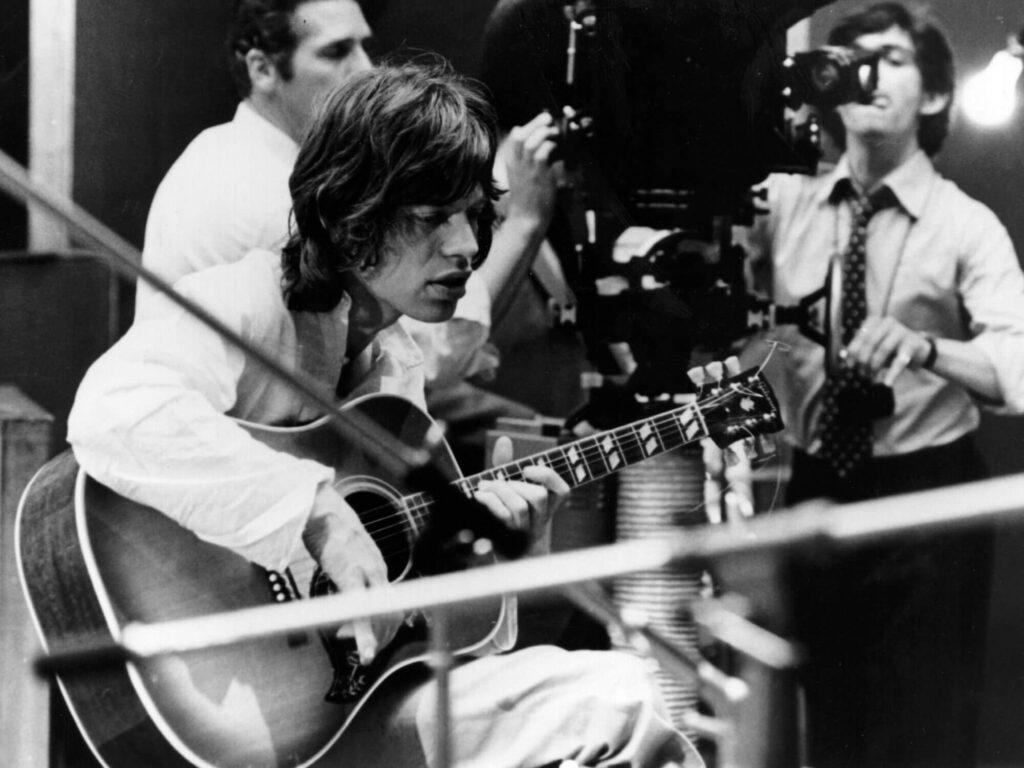
The heartbeat of many Rolling Stones songs begins with a riff. Keith Richards, the band’s guitar virtuoso, has often described his songwriting process as intuitive—catching a sound or a chord progression and letting it evolve organically. Take “Satisfaction”, for example. The now-legendary riff came to Richards in a hotel room, just him and his acoustic guitar. It was simple yet undeniably catchy, the kind of hook that would embed itself in the cultural consciousness forever.
In the studio, that riff became a foundation. Brian Jones, whose multi-instrumental abilities added a signature texture to early Stones tracks, layered subtle touches over it—whether it was a tambourine jangle or a slide guitar nuance. This approach illustrates a fundamental principle in their music-making: a simple musical idea could expand into a complex sonic landscape when each member contributed their voice. Fans often showcased their love for the band with graphic patriotic t-shirts, blending music and style in unique ways.
Mick Jagger’s Vocal Alchemy
While Keith provided the riffs, Mick Jagger transformed them into anthems with his dynamic vocal interpretations. Jagger’s studio work went far beyond simply singing the melody. He experimented with phrasing, tone, and timing, ensuring that every song carried a distinct emotional weight. In “Paint It Black”, Jagger’s voice dances between haunting despair and assertive urgency, perfectly mirroring the dark, sitar-infused arrangement crafted by the band. The studio allowed him to explore these nuances, recording multiple takes, trying different vocal textures, and discovering which emotional inflections resonated most.
The collaborative interplay between Jagger and Richards became the foundation of the Stones’ sound. While Richards often approached the studio as a space to capture the rawness of a riff, Jagger treated it as a canvas to paint emotion. Together, they perfected a balance between grit and sophistication that would define songs like “Jumpin’ Jack Flash” and “Sympathy for the Devil.”
Brian Jones: The Studio Alchemist
Though often remembered as the band’s enigmatic founder, Brian Jones’s contributions in the studio were nothing short of transformative. His curiosity about instruments and sounds expanded the Stones’ sonic palette. Jones was the one who suggested the sitar in “Paint It Black,” and he was constantly experimenting with unconventional instrumentation—marimbas, dulcimers, harmonicas, and even exotic percussion instruments.
The studio, for Jones, was a laboratory. He would layer instruments, adjust tonalities, and explore textures that created an otherworldly atmosphere. This willingness to experiment enabled songs like “Under My Thumb” to move beyond simple rock structures and embrace a more sophisticated, nuanced arrangement. Jones’s studio presence showed that the Stones were not merely a live band—they were sound architects, unafraid to push boundaries.
Charlie Watts and the Rhythm of Precision
No discussion of Rolling Stones songs is complete without recognizing the subtle genius of Charlie Watts. Often understated, his drumming was the glue holding the band’s exploratory ideas together. In the studio, Watts approached rhythm with a jazz-inflected sensibility, carefully choosing which beats to emphasize, how to use space, and when to let the groove breathe.
In “Gimme Shelter”, for instance, the tension in Watts’s drumming underpins the song’s apocalyptic atmosphere. His technique was precise yet flexible, allowing the other instruments to weave intricate textures around the rhythm. For the Stones, the studio offered Watts the ability to perfect these details, ensuring that the pulse of each song carried both emotional intensity and technical mastery.
Studio Experimentation: Beyond the Live Sound
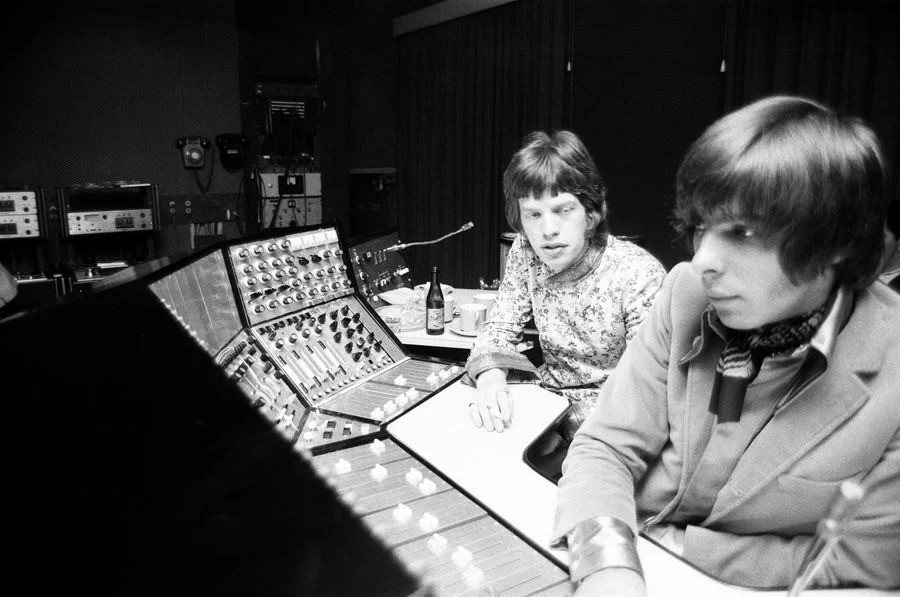
While The Rolling Stones were celebrated for their live energy, the studio provided opportunities for experimentation impossible on stage. They were early adopters of multi-track recording, allowing for intricate layering of guitars, vocals, and percussion. Songs like “You Can’t Always Get What You Want” showcase this approach beautifully, with orchestral arrangements blending seamlessly with the band’s signature rock instrumentation.
The studio also offered room for improvisation. Keith Richards would often jam on a guitar riff for hours, while Jagger improvised lyrics or vocal melodies. Tape machines became tools of exploration—slowing down tracks, reversing them, or layering them for atmospheric effect. The Stones were masters of using the studio not merely as a recording space, but as a compositional instrument in its own right.
Songwriting as Storytelling
At the heart of The Rolling Stones’ most enduring songs is storytelling. Their lyrics often capture the zeitgeist, blending social commentary with personal narratives. In the studio, Jagger and Richards would refine these stories, experimenting with word choice, phrasing, and emphasis to ensure maximum impact. “Sympathy for the Devil” is a perfect example. Its provocative lyrics, delivered with hypnotic percussion and swirling guitars, create an immersive narrative experience that only the studio environment could fully realize.
This focus on storytelling extended to the arrangement itself. The band often shaped the music to reflect the mood of the lyrics. Minor chord progressions, subtle instrumental flourishes, and dynamic shifts in volume or tempo all served the narrative. The result was music that was as emotionally compelling as it was musically innovative.
Collaboration and Creative Tension
The Rolling Stones’ studio process was far from harmonious at all times. Creative tension fueled some of their greatest work. Arguments over song direction, instrumentation, and production were common, but these conflicts often led to innovative solutions. Keith Richards’s insistence on raw, guitar-driven tracks frequently clashed with Brian Jones’s experimental tendencies or Jagger’s desire for polished vocal delivery.
Yet it was precisely this tension that produced timeless records. “Brown Sugar”, for instance, emerged from heated debates over its arrangement and lyrical delivery. By navigating these disagreements in the controlled environment of the studio, the Stones were able to refine their ideas, balancing raw energy with deliberate craftsmanship.
Production Choices That Defined a Generation
The production decisions made in the studio were critical to the Stones’ sound. Producers like Jimmy Miller played a pivotal role in translating the band’s chaotic energy into coherent, powerful records. Miller encouraged live recording of rhythm sections, capturing spontaneity while maintaining clarity. He also pushed the band to experiment with overdubbing, tape effects, and layered vocal harmonies, all of which became hallmarks of their signature sound.
Consider “Angie”, whose intimate acoustic arrangement and layered strings create a tender, melancholic atmosphere. Every element was carefully chosen in the studio, from the guitar tone to the vocal inflections, demonstrating that The Rolling Stones were meticulous architects of their sonic identity.
Legacy of the Studio Process
Decades later, the studio work of The Rolling Stones continues to resonate. Songs like “Start Me Up”, “Honky Tonk Women”, and “Wild Horses” remain benchmarks of rock craftsmanship. Their approach—combining riff-driven energy, experimental instrumentation, meticulous vocal work, and careful production choices—set new standards for what a rock band could achieve in a recording studio.
Beyond the technical mastery, their studio process captured something deeply human: the interplay of personalities, the friction of creative tension, and the joy of discovery. Each track is a snapshot of a moment in time, imbued with emotion, innovation, and cultural significance. The Stones didn’t just record songs; they documented the evolution of rock music itself.
Conclusion: From Riffs to Records
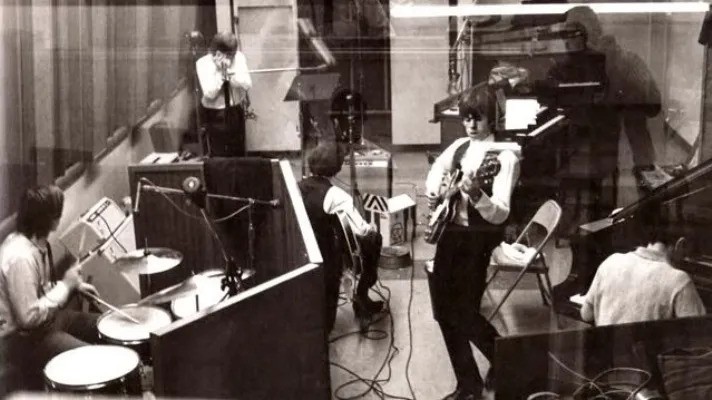
The journey from a simple guitar riff to a timeless Rolling Stones record is a testament to the band’s artistry, perseverance, and willingness to experiment. In the studio, they transformed raw ideas into songs that have defined generations, blending emotion, technical skill, and narrative depth. Every iconic track—from “Satisfaction” to “Gimme Shelter”—is a testament to their collaborative genius and their relentless pursuit of musical excellence.
The Rolling Stones’ studio legacy reminds us that great music is rarely spontaneous lightning. It is the product of experimentation, argument, innovation, and intuition. It is the meeting of personality and sound, the alchemy of vision and skill. And it is in the quiet, electric hum of the studio that riffs became records, and records became legends.