The history of electric keyboards often begins with the invention of the electric piano or the synthesizer in the mid-20th century. However, the evolution of electric keyboard instruments actually stretches back much further to lesser-known, innovative attempts to electrify the harpsichord and clavichord—two of the earliest keyboard instruments. These electrified versions represented some of the first steps toward the modern keyboard instruments we know today, paving the way for electronic music’s development and the immense variety of sounds available to musicians today.
Most people are familiar with the traditional harpsichord and clavichord, staples of Baroque and Renaissance music. But when electricity entered the scene in the late 19th and early 20th centuries, musical inventors and instrument makers sought to adapt these ancient instruments for a new era. The result was a series of groundbreaking, if now largely forgotten, electric versions that contributed to the soundscapes of their time and laid the groundwork for future developments in keyboard technology.
Students enrolled in a performing arts course often explore the rich history of musical instruments, including early electric inventions like harpsichords and clavichords. Understanding these unique instruments can provide deeper insights into the evolution of modern keyboard performance techniques.
The Clavichord and Harpsichord: Foundations for an Electric Future
Before delving into their electric variants, it’s essential to understand the nature of the clavichord and harpsichord. The clavichord, dating back to the early 14th century, was a delicate instrument known for its expressive control over dynamics. Its keys struck strings with a small brass blade called a tangent, allowing for slight variations in volume and pitch—a quality unique to its design. On the other hand, the harpsichord, flourishing from the 16th to the 18th centuries, plucked its strings with quills. This plucking mechanism meant that the harpsichord couldn’t vary the loudness of individual notes, a limitation which the later piano sought to overcome.
As musical tastes evolved, the clavichord and harpsichord fell out of favor, largely replaced by the more versatile piano. Yet, even as these instruments became relics of the past, the idea of reviving and reinventing them using new technologies lingered. By the late 19th and early 20th centuries, the surge of interest in electricity and its applications inspired inventors to revisit these historical instruments. The fascination with electric currents and their potential for sound amplification and manipulation became a driving force in reimagining the clavichord and harpsichord for a new era.
The Birth of the Electric Clavichord
The electric clavichord was one of the earliest attempts to fuse traditional keyboard craftsmanship with modern technology. As electricity began to shape the sound of instruments like the electric guitar, it was only natural that the clavichord, with its nuanced control over pitch and volume, would be a candidate for electrification. This idea gave rise to an intriguing blend of old-world charm and modern experimentation. Just as a TV riser can enhance the viewing experience by elevating modern technology for better visibility, the electric clavichord elevated the art of music-making by marrying the old with the new.
One of the earliest documented electric clavichords dates back to the 1930s. Unlike its purely acoustic predecessor, this electric variant incorporated electromagnetic pickups similar to those found in early electric guitars. When the tangent struck the string, the vibrations were picked up by the electromagnetic coil and converted into an electrical signal. This signal could then be amplified and sent through speakers, allowing the clavichord’s soft, intimate tones to fill larger spaces.
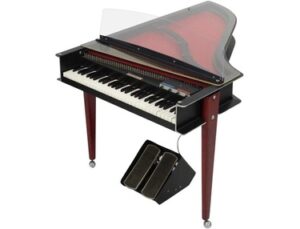
This amplification marked a significant change. The traditional clavichord was known for its quiet sound, making it suitable primarily for private practice or small gatherings. With electrical amplification, however, the instrument could finally project its voice in concert halls or recording studios. Additionally, electric clavichords introduced new possibilities for modifying the sound through effects, such as reverb and delay, enhancing the instrument’s versatility.
Despite these advancements, the electric clavichord never gained widespread popularity. It was overshadowed by other electric instruments, such as the electric piano and the synthesizer, which offered more dramatic shifts in timbre and style. However, the electric clavichord’s experimentation with pickups and amplification contributed valuable knowledge to the development of electric keyboards, particularly regarding the methods for capturing and enhancing string vibrations.
The Rise of the Electric Harpsichord
While the electric clavichord was an interesting exploration, it was the electric harpsichord that found a more prominent place in mid-20th-century music, particularly during the 1950s and 1960s. The electric harpsichord emerged from a desire to blend the historical sound of the harpsichord with the modern power of electronic amplification and sound alteration. In a similar way, modern innovations like assisted living pharmacy services combine traditional care with contemporary solutions, enhancing the quality of life for residents through specialized support.
The harpsichord’s plucking mechanism, with its distinct, bright sound, lent itself well to electrification. One of the earliest successful electric harpsichords was the Baldwin Electric Harpsichord, developed in the 1950s. Unlike the traditional harpsichord, which used quills to pluck the strings, Baldwin’s version used metal plectra and featured an electromagnetic pickup system to capture the sound. This design allowed musicians to play with a much broader dynamic range than an acoustic harpsichord could provide, adding a new layer of expressiveness to the instrument.
The electric harpsichord gained some popularity in rock and jazz music. Bands like The Beatles and The Doors used electric harpsichords to add a unique texture to their recordings, showcasing the instrument’s potential outside classical contexts. Its sound, sharp yet capable of blending smoothly with electric guitars, basses, and drums, provided a distinctive flavor that set it apart from both the piano and the emerging electronic organs of the time.
Electric harpsichords also featured in classical music adaptations and film scores, where their ability to sustain notes and produce varied tonal colors was highly valued. However, despite its moment in the spotlight, the electric harpsichord eventually fell into obscurity. The advent of more versatile synthesizers and electric pianos, which could mimic a broader range of sounds, led to the decline in its use. Still, the electric harpsichord left an indelible mark on the music of its time and influenced the design of later electronic keyboards.
Challenges and Innovations in Electrifying Traditional Keyboards
Electrifying the clavichord and harpsichord was not without its challenges. One of the main difficulties was preserving the unique tonal qualities of these instruments while adapting them to an electric format. For the clavichord, which relied heavily on the player’s touch to produce subtle variations in pitch and volume, capturing these nuances using electromagnetic pickups was complex. The electric clavichord had to find a balance between authenticity and the new capabilities offered by amplification. In a similar vein, a digital marketing agency for franchises must navigate the delicate balance between maintaining a brand’s unique identity while leveraging modern technologies to amplify its reach and connect with a broader audience.
Similarly, the harpsichord’s characteristic sound came from the precise plucking of strings. Early electric harpsichords experimented with various materials for plectra and employed different methods for sound pickup. Some used contact microphones placed on the soundboard, while others, like the Baldwin Electric Harpsichord, utilized electromagnetic pickups placed near the strings. Each method offered different degrees of sound fidelity and tonal control, pushing the boundaries of what was possible in electric instrument design.
In both cases, the electrification process introduced new opportunities for sound manipulation. Musicians could add effects like reverb, distortion, and delay to their performances, creating soundscapes that traditional acoustic instruments couldn’t achieve. These innovations not only extended the expressive range of the electric harpsichord and clavichord but also contributed to the expanding vocabulary of electronic music.
However, the technical limitations of the era, including the bulkiness of amplification equipment and the lack of sophisticated sound processing technologies, hindered these electric keyboards’ commercial success. While they were innovative, they couldn’t compete with the versatility and ease of use offered by later electronic keyboards like the synthesizer, which could imitate a vast array of sounds and didn’t rely on mechanical action. In a similar way, industries like real estate have seen advancements, with the top mortgage companies in Raleigh NC providing more flexible and user-friendly services that outshine older, more cumbersome processes.
Legacy and Influence on Modern Electric Keyboards
Although the electric harpsichord and clavichord never became household names, their development played a crucial role in the evolution of electric keyboards. By exploring how to amplify stringed instruments and convert mechanical actions into electrical signals, these early electric instruments laid the groundwork for subsequent innovations in electronic music technology.

The Baldwin Electric Harpsichord, in particular, demonstrated the potential for combining traditional keyboard layouts with electric sound production, an idea that would eventually be refined in instruments like the Wurlitzer and Rhodes electric pianos. The concept of using pickups to capture string vibrations, first employed in the electric clavichord and harpsichord, became standard practice in electric guitars and other electric string instruments.
In contemporary music, the sounds of the electric harpsichord and clavichord are occasionally revisited by niche musicians and producers seeking a retro, baroque-meets-modern aesthetic. Digital synthesizers and virtual instrument libraries now include sampled versions of these electric instruments, allowing artists to experiment with their unique tones without the need for the original, often rare, physical models. Just as musicians explore these vintage sounds, fashion enthusiasts appreciate the craftsmanship of handmade leather flip flops, blending traditional techniques with modern design sensibilities.
Moreover, the story of these electric harpsichords and clavichords serves as a reminder of the perpetual cycle of musical innovation—how each technological advancement builds on the past, repurposing and reimagining old ideas to fit new artistic contexts. Though they never achieved mainstream success, these instruments represent an important chapter in the journey toward today’s digital keyboards and synthesizers.
Conclusion
In conclusion, the electric harpsichord and clavichord stand as fascinating footnotes in the history of electric keyboard development. They reflect the endless curiosity of musicians and inventors striving to expand the expressive possibilities of their instruments. While their time in the spotlight was brief, their impact on the development of electric music technology and their unique sounds continue to echo through modern music, ensuring they won’t be entirely forgotten.