When it comes to music that lingers long after the last note fades, few artists have mastered the art of emotional resonance like Alanis Morissette. Her songs are more than just melodies; they are raw, cathartic experiences that delve into the deepest corners of human feeling. Behind this evocative power lies the often unseen world of her studio sessions, where creativity, vulnerability, and technical precision converge to produce some of the most memorable tracks of modern music. Understanding how Morissette crafts her music in the studio is to glimpse the alchemy that turns personal pain and insight into universal anthems.
The Studio as a Sanctuary
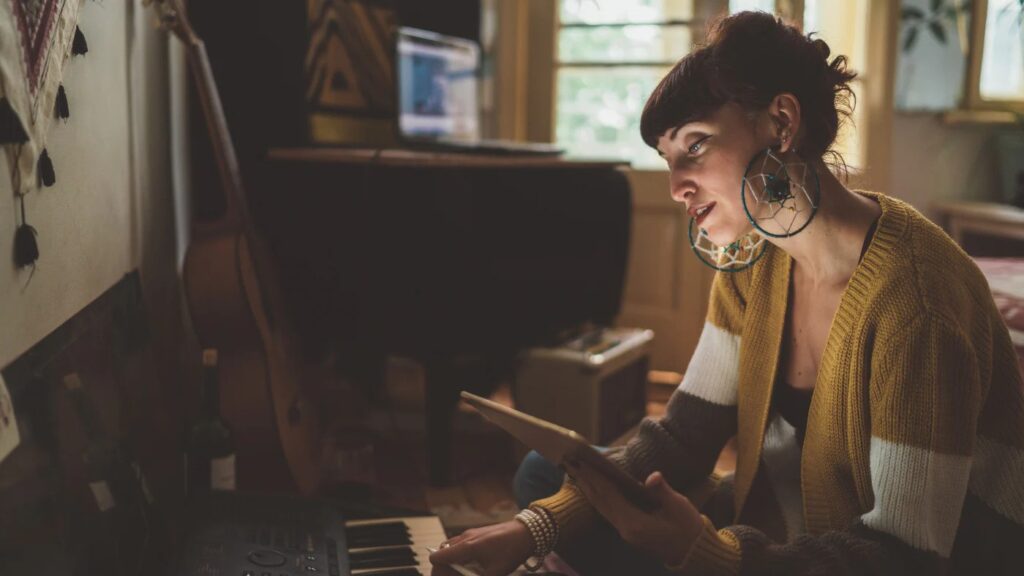
For Alanis, the music studio is far more than a recording space; it is a sanctuary where she can fully inhabit her emotions and translate them into sound. From her early days in Toronto to her work in Los Angeles, Morissette has always approached the studio with an almost ritualistic respect. Each session is carefully orchestrated, not merely to capture vocals or instrumentals but to capture authenticity. The studio is where she isolates herself from distractions, allowing the emotional core of her songs to surface organically. In interviews, she often emphasizes that the studio must feel safe, a space where vulnerability is not only permitted but necessary for creative breakthroughs.
The intimacy of this environment is palpable in tracks like “Uninvited”, where every whisper and breath seems deliberate, yet effortlessly natural. The song’s ethereal quality comes from countless takes in a controlled studio setting, each one fine-tuning not just the pitch or tone, but the emotional intensity conveyed. Morissette’s meticulous attention to the emotional resonance of her voice ensures that every inflection, every pause, carries weight.
Layering Emotion Through Instrumentation
One of the hallmarks of Morissette’s studio work is her ability to blend raw emotion with sophisticated musical arrangements. Songs like “You Oughta Know” demonstrate her skill in creating layers of sound that mirror the emotional complexity of her lyrics. The studio becomes a canvas where guitars, drums, keyboards, and subtle backing vocals are woven together with the same care as a painter layering colors.
In her sessions, Alanis often experiments with unconventional textures, using ambient sounds, string arrangements, or digital effects to create what could be described as soundscapes of emotion. She is known for working closely with producers who understand her vision, translating her intense personal narratives into arrangements that amplify the emotional impact without overshadowing her vocals. For example, in “Hand in My Pocket”, the juxtaposition of upbeat acoustic riffs with introspective lyrics reflects a conscious studio choice to mirror the song’s themes of contradiction and nuance. The studio is not just a place for recording; it is an instrument in itself, shaping the way listeners perceive the emotional spectrum of her music.
The Vulnerability of Repetition
Recording with Alanis Morissette is not a process of merely laying down tracks and moving on. It is a journey through repetition, refinement, and vulnerability. She is known to spend hours perfecting a single line, exploring the myriad ways a phrase can resonate. This obsessive attention to detail is evident in songs like “Ironic”, where subtle changes in delivery—slight shifts in tone, pauses, or emphasis—transform the lyrics from a simple narrative into a complex commentary on life’s contradictions.
Her studio sessions are as much about emotional rehearsal as technical mastery. Alanis frequently revisits sections of songs, experimenting with dynamics, phrasing, and timing until the performance communicates the intended emotion with precision. The emotional intensity of her voice, whether in a whisper or a scream, is not accidental. It is the product of a painstaking studio process that respects the listener’s capacity to feel deeply.
Collaboration and Chemistry in the Studio
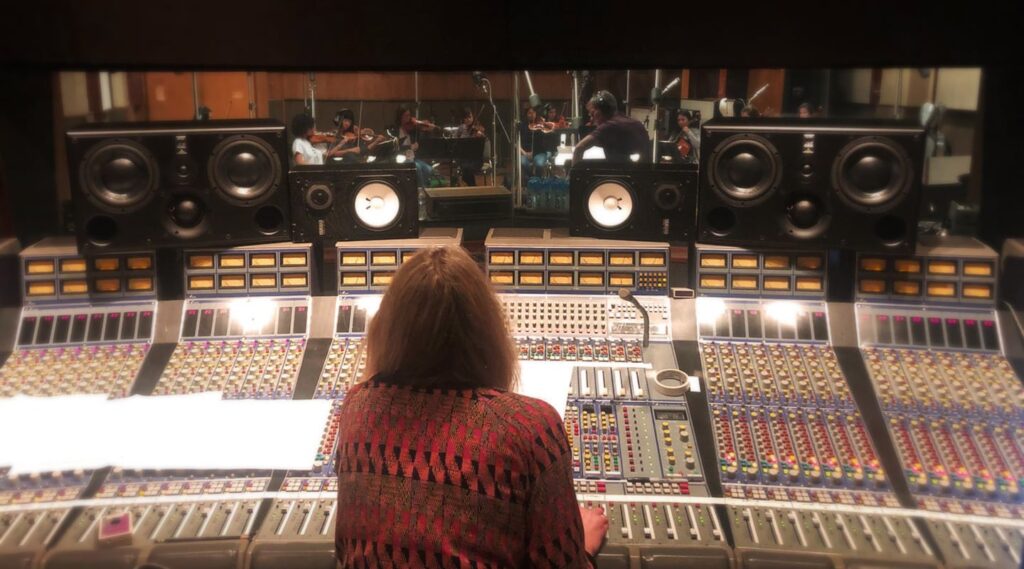
While Morissette is undeniably a force of individual artistry, her collaborations in the studio have played a crucial role in shaping her sound. Working with producers like Glen Ballard on the seminal album Jagged Little Pill, Alanis demonstrated the importance of chemistry in translating emotion into music. Their sessions were famously immersive, often involving long hours where experimentation and emotional honesty were encouraged.
In the studio, this collaborative energy allows for spontaneous moments of brilliance. For instance, the unforgettable bridge of “You Learn” is said to have emerged from an impromptu session where Morissette and Ballard explored different chord progressions and vocal nuances. These moments illustrate how the studio becomes a playground for emotional exploration, a place where the boundaries between artist and producer blur in service of the song.
Emotional Authenticity as a Studio Imperative
Alanis Morissette’s approach in the studio is grounded in the belief that authentic emotion cannot be manufactured. This philosophy drives every choice, from the arrangement of instruments to the decision to leave a raw vocal take intact, even if it contains imperfections. The imperfection itself becomes a tool, conveying vulnerability and humanity.
Take “Thank U”, for instance. The song’s layered vocals and contemplative rhythm are not just technical achievements; they are the audible manifestation of introspection and gratitude. In the studio, Alanis explores these emotional landscapes through experimentation, often layering multiple takes and subtle harmonies to create a sense of depth that mirrors real-life complexity. The listener feels the sincerity because the studio environment allowed her to inhabit the song fully, without compromise.
Balancing Technical Mastery with Emotional Expression
A key aspect of Morissette’s studio artistry is her ability to balance technical mastery with emotional expression. While her music is deeply personal, the studio demands precision—timing, tuning, and mixing are all critical. Alanis does not shy away from using advanced studio technology to enhance her music, but she always ensures that these tools serve the emotion rather than overshadow it.
In the creation of tracks like “Hand in My Pocket”, subtle effects on guitar lines and percussion were carefully calibrated to complement the song’s narrative of balance and contradiction. Every decision in the studio, from microphone placement to reverb settings, is informed by the desire to connect authentically with listeners, ensuring that the final product resonates on both a technical and emotional level.
The Evolution of Studio Practice
Over the decades, Alanis Morissette’s approach to the studio has evolved, reflecting both personal growth and advances in technology. While her early recordings relied heavily on analog equipment and live instrumentation, her more recent work embraces digital tools, allowing for greater experimentation with texture and layering. However, the core philosophy remains unchanged: the studio is a space for emotional exploration and honest self-expression.
Albums like Flavors of Entanglement showcase her willingness to experiment with electronic sounds, creating new sonic textures without losing the intimate, confessional quality that defines her music. In every session, she approaches her craft with the same reverence, meticulously sculpting each soundscape to evoke the feelings she hopes listeners will experience.
The Listener’s Experience
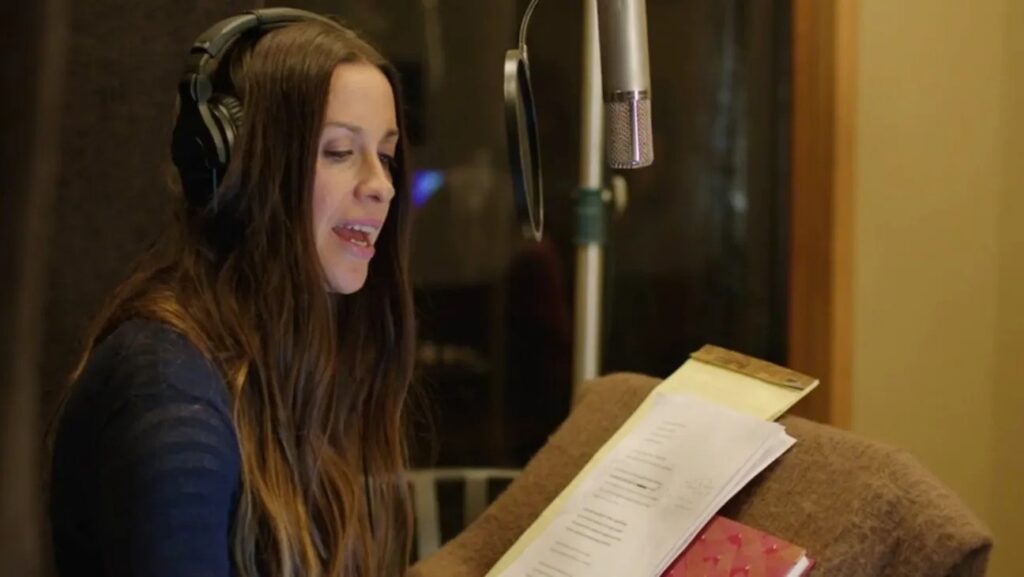
Ultimately, the magic of Alanis Morissette’s studio work is measured by its impact on listeners. Every choice she makes—from the quiet tension of a bridge to the explosive release of a chorus—is designed to immerse the audience in her emotional journey. Songs like “Unsent” and “Hands Clean” carry an intimacy that can only be achieved through painstaking studio work, where each vocal nuance and instrumental layer is carefully considered to convey authenticity.
The studio is where the personal becomes universal. Alanis’s commitment to exploring vulnerability in a controlled, creative environment allows listeners to connect with their own experiences, to feel seen, heard, and understood. Her music resonates because it is born from genuine emotion, meticulously crafted and preserved through the studio process.
Conclusion: Crafting Emotion, One Note at a Time
Alanis Morissette’s genius lies not only in her songwriting but in her mastery of the studio as a tool for emotional storytelling. From her early hits like Jagged Little Pill to her more recent explorations in sound and texture, every album reflects the meticulous care she invests in capturing the essence of human emotion. The studio sessions are where the magic happens, where vulnerability meets technical skill, and where raw feeling is transformed into songs that endure.
In understanding Alanis Morissette’s approach to music in the studio, we see the interplay between precision and passion, technique and spontaneity, structure and release. Every chord, every vocal inflection, every ambient sound is part of a deliberate effort to translate the complexity of emotion into something that can be shared, experienced, and remembered. Her music is a testament to the power of the studio not just as a place of recording, but as a crucible where emotional truths are forged into lasting art.