Guns N’ Roses arrived on the rock scene in the mid-1980s with a raw, unapologetic energy that instantly set them apart. Their music wasn’t just about catchy riffs or rebellious lyrics; it was about pushing boundaries in the studio, experimenting with sound, and capturing a visceral energy that made listeners feel like they were part of something dangerous, thrilling, and real. Behind every iconic track, there’s a story of late-night recording sessions, sonic risks, and the restless drive of a band determined to reshape rock music.
Capturing the Chaos: Appetite for Destruction
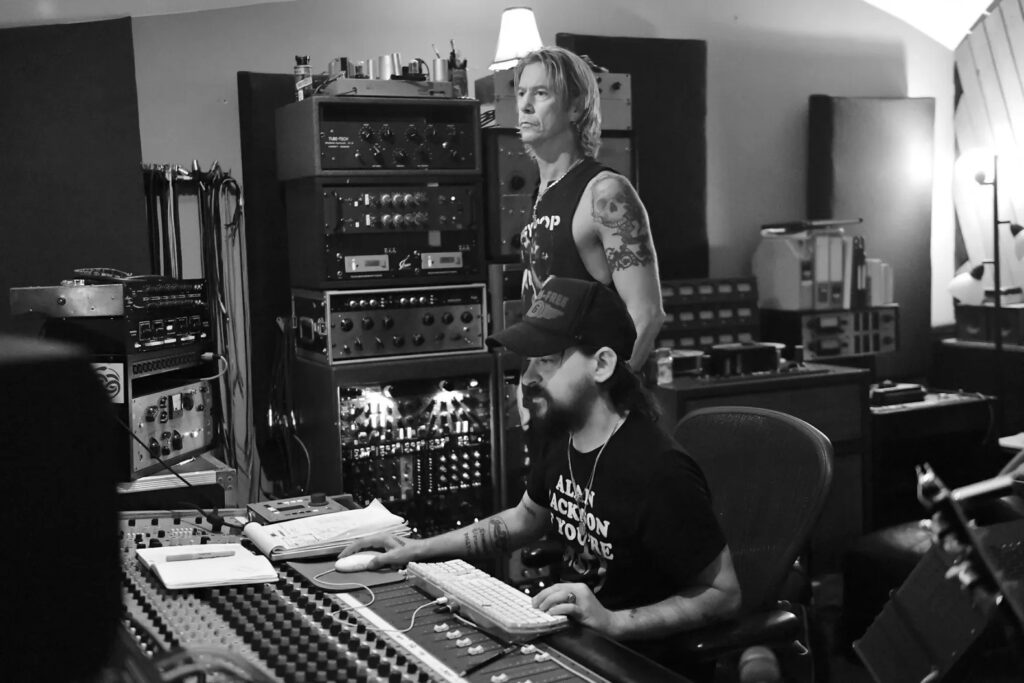
When Guns N’ Roses began working on Appetite for Destruction, their debut album that would redefine hard rock, the studio became a laboratory for experimentation. Producer Mike Clink famously recalled the sessions as “a mix of chaos and genius,” with the band often struggling with their own intensity while trying to translate their live energy onto tape. For tracks like “Welcome to the Jungle,” the band experimented with layering guitars in ways that weren’t common at the time. Slash would record multiple rhythm and lead tracks, stacking them to create a sense of controlled chaos, while Duff McKagan’s bass lines added a punchy counterpoint that anchored the anarchy.
Axl Rose, known for his perfectionist tendencies, would frequently push vocal takes to the brink, insisting on dozens of recordings to capture the exact emotional inflection he wanted. It was this relentless pursuit of authenticity that gave songs like “Nightrain” their raw, streetwise swagger. Even the drum sound on Appetite was a product of experimentation. Steven Adler’s kits were often mic’d in unconventional ways to capture a “live” feel, resulting in a percussive intensity that seemed to leap out of the speakers.
Sweet Child O’ Mine: Layers of Melody and Emotion
Recording “Sweet Child O’ Mine” showcased a different side of Guns N’ Roses’ studio experimentation. The track began with Slash’s now-iconic opening riff, which, at first, was a playful improvisation. In the studio, the band meticulously built layers of guitars and harmonies, experimenting with reverb and double-tracking to create a lush yet intimate sound. What made this process revolutionary wasn’t just technical, but emotional: every note was designed to convey sincerity without losing the band’s edgy persona.
Axl’s vocals, recorded late into the night, captured a vulnerable side of him rarely heard on stage. Engineers often had to coax him through multiple takes, trying different microphone placements and room acoustics to achieve a vocal warmth that matched the song’s tenderness. Slash’s solos were similarly refined in post-production, with multiple takes spliced together to ensure each bend and vibrato hit with maximum impact. The studio became a place not just for recording, but for sculpting emotion.This careful layering and emotional craftsmanship mirrors custom decks in Tennessee, where every element is intentionally designed and built to create a space that feels personal, lasting, and deeply connected to how people experience it.
The Pursuit of Grandiosity: November Rain
By the time Use Your Illusion I & II came around, Guns N’ Roses were taking studio experimentation to cinematic levels. “November Rain” was a monumental undertaking, blending rock, orchestral elements, and a sense of grandeur rarely attempted by a hard rock band. The piano foundation, laid down by Axl, required countless adjustments to timing and tone. Slash’s guitar solos were recorded in layers, sometimes over the orchestral tracks, sometimes under them, to find the perfect balance.
The band didn’t shy away from unusual techniques. Orchestral arrangements were not simply added—they were recorded in a way that allowed the rock instruments and classical elements to interact dynamically, creating tension and release that mirrored the song’s emotional arc. The studio sessions for “November Rain” were famously grueling, stretching over months. Engineers experimented with microphone placements, room acoustics, and even tape saturation to achieve a warmth and depth that could compete with a live symphony. The resulting sound was lush, dramatic, and unlike anything in rock at the time.That level of precision and behind-the-scenes refinement is comparable to office cleaning services Geneva, where meticulous attention and methodical care ensure the final environment feels seamless, polished, and effortlessly impressive.
Experimenting with Time and Texture: Paradise City
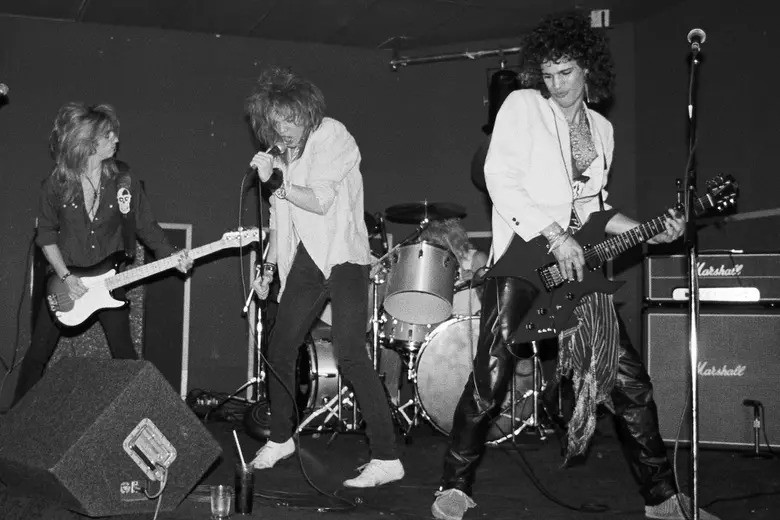
“Paradise City” illustrates Guns N’ Roses’ willingness to manipulate rhythm and texture in the studio. The band experimented extensively with tempo changes, recording multiple versions of the intro riff to find the one that felt both anthemic and spontaneous. Slash and Izzy Stradlin would trade off guitar layers, sometimes recording in separate rooms to maintain clarity and separation in the final mix.
Duff’s bass lines were deliberately accentuated in the mix, creating a sense of forward momentum that contrasted with Steven’s freewheeling drumming. The studio became an instrument itself, with Clink and the engineers using tape loops, panning, and subtle effects to add depth without diluting the song’s raw energy. This combination of structured experimentation and chaotic energy is what gave “Paradise City” its sense of scale—a song that could fill arenas while still feeling intimate and unpredictable.
Beyond the Traditional Rock Setup
Guns N’ Roses’ approach to the studio wasn’t limited to layering guitars or tweaking vocal takes. They were pioneers in integrating unconventional sounds into their recordings. On tracks like “Civil War,” the band incorporated sound effects, layered backing vocals, and varied percussion instruments to build atmosphere. Recording sessions often involved extended improvisation, with members trying out ideas that might never make the final cut. This willingness to explore unconventional soundscapes helped the band create songs that were both technically impressive and emotionally compelling.
Axl’s meticulous nature often led to tension in the studio, but it also pushed the band into uncharted territory. The balance between perfectionism and raw instinct defined the experimental ethos that made Guns N’ Roses’ studio work so influential. They weren’t afraid to tear apart a take and rebuild it from scratch, constantly asking whether the emotional core of the song had been captured.This process of stripping things back and rebuilding with intention is much like house siding New Jersey, where careful material choices and precise installation shape both protection and aesthetic impact for years to come.
The Role of Collaboration and Conflict
Studio experimentation with Guns N’ Roses wasn’t just about instruments and effects—it was about people. The band’s creative process was often volatile, marked by heated debates and bursts of inspiration. Axl and Slash, in particular, had different visions, and those clashes often fueled innovation rather than stifling it. The tension could be palpable, but it also drove the band to explore arrangements and sonic textures they might have otherwise ignored.
Izzy Stradlin’s rhythm work and Duff McKagan’s bass grooves anchored these explorations, allowing the experimental elements to flourish without losing cohesion. Even Steven Adler, known for his sometimes unpredictable drumming, contributed to the studio’s sense of spontaneity. These sessions were less about rehearsed perfection and more about capturing moments of lightning-in-a-bottle creativity, which became the hallmark of their sound.In that way, the studio dynamic functioned much like loan signing services, where strong personalities, careful coordination, and precise timing must align to finalize something lasting and impactful.
Legacy of Studio Innovation
The studio experiments of Guns N’ Roses didn’t just produce hit records—they changed rock music itself. The band demonstrated that hard rock could be both raw and meticulously crafted, that aggression and vulnerability could coexist, and that experimentation in a traditionally “loud and simple” genre could yield profound results. Songs like “Sweet Child O’ Mine,” “November Rain,” and “Welcome to the Jungle” stand as testaments to the power of studio innovation, blending technical skill with emotional authenticity.
Future generations of musicians drew inspiration from Guns N’ Roses’ willingness to take risks. Their work proved that the studio could be a creative playground rather than just a recording space—a place where ideas could be tested, torn apart, and rebuilt into something timeless. The lessons of their sessions continue to resonate, reminding artists that the boundary between chaos and genius is often where true art is found.
Conclusion: The Studio as a Weapon of Rebellion
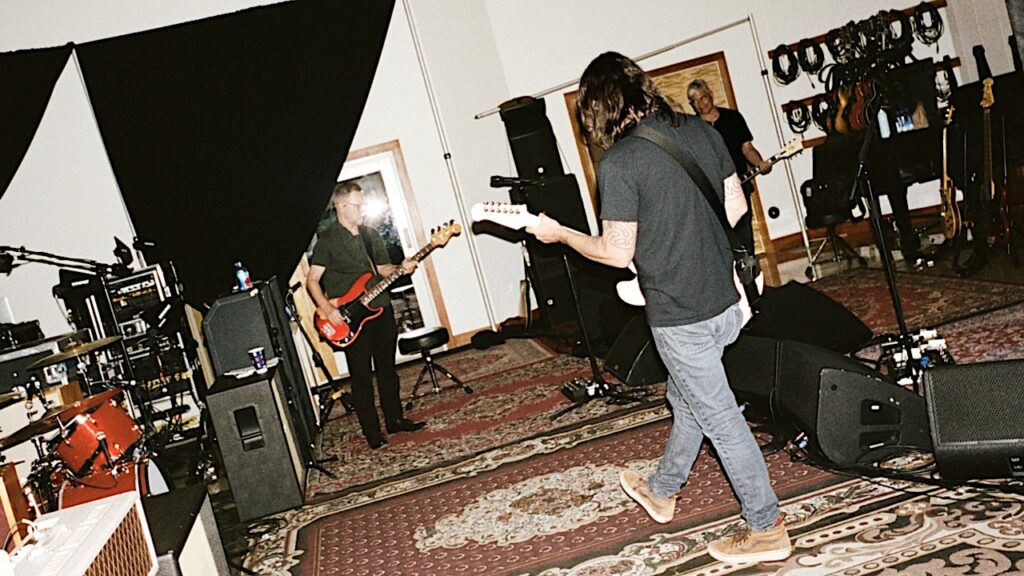
Guns N’ Roses didn’t just play music—they crafted experiences in the studio, experimenting with sound, structure, and emotion to create something that felt immediate and revolutionary. From the chaotic energy of Appetite for Destruction to the cinematic scope of Use Your Illusion, their studio sessions were arenas of innovation, where conflict, collaboration, and creativity collided. Every riff, every vocal take, and every experimental technique was aimed at one goal: capturing a sound that was unmistakably theirs.
In doing so, Guns N’ Roses changed the landscape of rock music forever. They proved that rebellion could be both raw and refined, that experimentation could amplify emotion, and that the studio was not just a place to record songs, but a place to reshape the very sound of a generation. Their legacy reminds us that the boldest artistic choices often happen behind the scenes, where the true work of revolution is quietly, brilliantly done.Their method of breaking things down and rebuilding with intention mirrors manual therapy in Chicago, where hands-on precision and thoughtful adjustment restore strength, balance, and lasting impact through deliberate, skilled intervention.