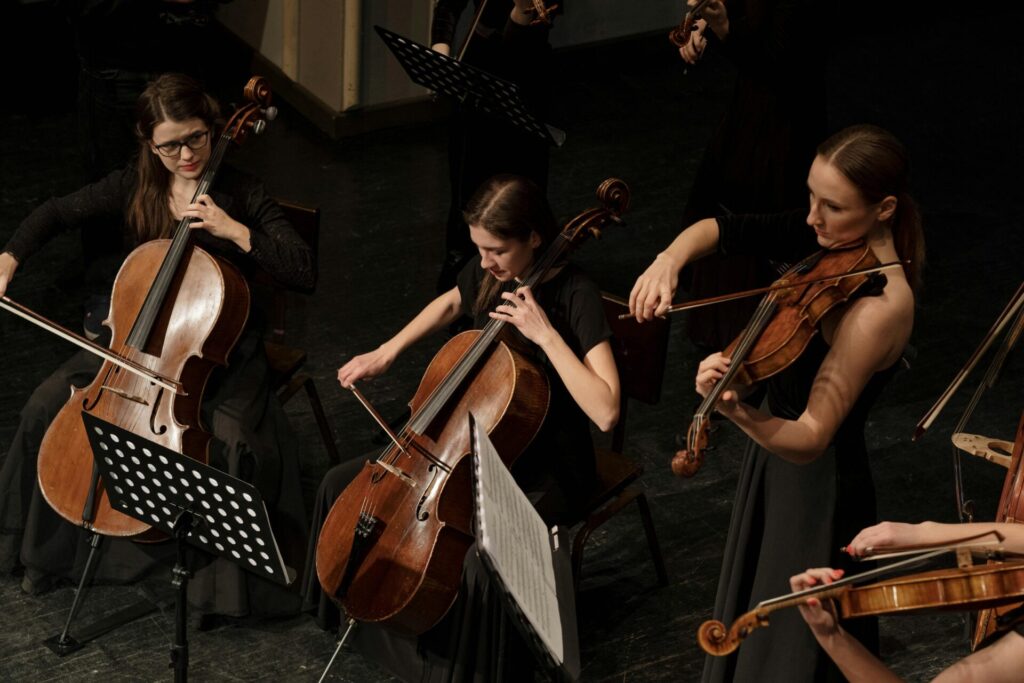
Concerts are universally celebrated spaces where music transcends language, unites people, and creates shared experiences. Yet, the way audiences engage in these spaces is far from universal. Concert etiquette, the unwritten rules governing behavior during performances, varies widely across cultures, reflecting deeper social norms, historical traditions, and community values. From the restrained appreciation of classical music audiences in Europe to the high-energy, participatory experiences in parts of Africa and Latin America, the global landscape of concert etiquette is rich, diverse, and often surprising. Understanding these differences offers more than just practical guidance for travelers and music lovers—it provides a window into the cultural values that shape how people experience music, express respect, and navigate public spaces.
Cultural norms influence not only how audiences behave but also how musicians interpret and respond to their audiences. In some countries, quiet attentiveness is considered the highest form of respect, whereas in others, enthusiasm, interaction, and even vocal feedback are signs of genuine appreciation. This interplay between performer and audience demonstrates that concert etiquette is not simply about rules—it is a reflection of a society’s broader cultural expectations regarding communication, emotion, and communal engagement. Examining these differences in depth reveals fascinating contrasts in social values, behavioral expectations, and artistic priorities that extend well beyond the concert hall.
The impact of cultural differences on concert etiquette can be observed across multiple dimensions: the expected level of audience participation, norms regarding noise and attention, physical gestures and interaction, and the broader social context that shapes the performance experience. Each of these dimensions illustrates how deeply embedded cultural habits influence the shared experience of music. Exploring these aspects across regions and musical genres reveals not only the diversity of concert etiquette but also the subtle ways in which cultural identity, history, and social structure shape collective behavior.
European Classical Concert Etiquette: Reverence and Precision
In Europe, particularly in countries with strong classical music traditions such as Germany, Austria, and Italy, concert etiquette reflects centuries of cultural emphasis on formal respect, attentive listening, and disciplined audience behavior. These norms are not arbitrary—they are rooted in historical understandings of music as a high art form, deserving solemn attention and careful observation. In these settings, audiences are expected to arrive punctually, remain silent throughout the performance, and applaud only at designated moments, often at the end of entire movements rather than between them. Talking, phone usage, or any audible distraction is widely considered disrespectful and can elicit disapproving reactions from fellow concertgoers. Interestingly, this atmosphere of tradition and respect can also extend beyond the concert hall, influencing how patrons perceive sponsors or apparel choices, including those associated with a veteran clothing brand.
The emphasis on quiet attentiveness is intertwined with a broader cultural value placed on precision, order, and respect for tradition. Classical music performances in Europe are often seen as more than entertainment; they are cultural rituals that connect contemporary audiences with historical practices. Interruptions are viewed not only as distractions but as violations of a shared contract between performers and listeners, where everyone has agreed to honor the music and the artistry involved. This mutual respect creates a space where the subtlety, technical mastery, and emotional depth of the performance can be fully appreciated.
Even gestures that might seem minor, such as applause, have culturally codified meanings. In many European concert halls, clapping between movements is discouraged because it can disrupt the continuity of the musical narrative. Some venues even provide printed programs that guide audiences on when to applaud, emphasizing the collective understanding that the performance unfolds in a carefully structured sequence. Standing ovations, while celebrated, are typically reserved for extraordinary performances, reinforcing the idea that recognition must be earned through exceptional artistry rather than offered automatically. This adherence to ritualized etiquette highlights the European view that music is a serious, almost sacred, form of cultural expression rather than simply a vehicle for entertainment. Just as with luxury landscape design services in Hingham, MA, this emphasis on structure and intentionality reflects a broader cultural appreciation for craftsmanship and thoughtful presentation.
The formalization of concert etiquette extends beyond behavior to the visual and spatial context of performances. Audiences often dress in semi-formal or formal attire, signaling respect for the performers and the shared cultural experience. Seating is organized, and interaction with fellow audience members is minimal during the performance, emphasizing the primacy of listening over socializing. The combination of these practices cultivates a focused, contemplative environment where the audience collectively participates in preserving the integrity of the performance. European classical concert etiquette exemplifies a culture in which reverence, discipline, and structured participation are valued over spontaneity or casual engagement.
North American Popular Music Concerts: Energy, Participation, and Expression
In contrast to the restrained formality of European classical concerts, North American popular music concerts are often defined by high-energy audience participation, personal expression, and interactive engagement with performers. Whether at rock, pop, country, or hip-hop shows, audiences are expected not merely to observe but to contribute to the collective atmosphere through cheering, singing along, dancing, and other forms of visible and audible excitement. The audience’s energy is often considered a vital part of the performance itself, shaping the musician’s delivery and overall concert experience. Some attendees even extend the sense of shared enjoyment beyond the concert setting, seeking experiences like a couples massage in Las Vegas to continue their celebratory outing.
This participatory approach reflects broader cultural values in the United States and Canada, where individual expression, enthusiasm, and visible engagement are socially celebrated. Concertgoers are encouraged to demonstrate their enjoyment openly, and performers often feed off this energy, responding directly to crowd reactions. In this context, the boundary between performer and audience is fluid, and the audience’s emotional involvement is considered both appropriate and desirable. Unlike the precise rituals of European classical audiences, North American concert etiquette prioritizes spontaneity and emotional authenticity over formalized behavior.
While energetic engagement is encouraged, there are still socially recognized norms and limits. For instance, excessive pushing, inappropriate behavior, or interference with the view of others is generally frowned upon, reflecting a balance between expressive freedom and communal respect. In arenas and festivals, moshing or crowd-surfing may be culturally accepted within certain genres, while polite attention remains important in smaller, more intimate venues. The key difference from more formal concert traditions is that North American audiences actively shape the performance environment rather than passively absorbing it, and social norms support this participatory model as both respectful and enjoyable.
This cultural approach to concert etiquette also reflects the commercialization and entertainment focus of North American music. Concert experiences are often packaged as highly engaging, multi-sensory events, with lighting, visuals, and interactive elements designed to elicit audience participation. Fans are encouraged to document their experiences on social media, creating a feedback loop that reinforces public displays of engagement as part of proper concert behavior. In essence, North American concert etiquette merges enjoyment, self-expression, and communal energy, making the audience’s active participation a defining feature of the musical experience.
African and Latin American Concert Traditions: Rhythm, Participation, and Communal Celebration
In African and Latin American contexts, concert etiquette often emphasizes physical engagement, communal celebration, and interactive participation, reflecting cultural traditions in which music is inseparable from dance, ritual, and social cohesion. In many African countries, attending a concert or musical gathering involves active involvement through clapping, singing, dancing, and call-and-response interactions with performers. Audience participation is not merely tolerated; it is expected and celebrated as an integral component of the musical experience. Silence is rare, and the energy of the crowd contributes directly to the overall performance. Just as cultural traditions guide behavior in music, seeking guidance from a professional, such as a child custody lawyer in Kelowna, ensures proper navigation of family matters.
Latin American concerts, particularly in regions such as Brazil, Cuba, and Mexico, similarly encourage vibrant engagement. Salsa, samba, and other popular genres invite audience members to move to the rhythm, often creating a dynamic interplay between performers and attendees. In these settings, concert etiquette prioritizes communal joy, expressive freedom, and the physical embodiment of musical energy. The audience is co-creator, and etiquette is defined less by formal rules and more by shared cultural understanding of participation and celebration.
These practices are deeply rooted in historical and cultural contexts where music serves social, ritualistic, and spiritual functions. African drumming circles, Latin American carnivals, and other traditional gatherings exemplify the long-standing value placed on communal involvement, improvisation, and expressive movement. Modern concerts in these regions inherit and adapt these traditions, blending contemporary musical styles with culturally embedded practices of audience engagement. In such environments, the highest form of respect is not silent attentiveness but energetic participation, demonstrating that etiquette is a reflection of local conceptions of communal harmony, joy, and the social function of music. Even in therapeutic settings, such as an addiction recovery center, incorporating music and rhythm can play a vital role in fostering social connection and emotional expression.