When you hear the crystalline harmonies of ABBA, it’s easy to imagine that magic came effortlessly. Yet, behind the glittering disco anthems and timeless pop melodies lies an intricate world of experimentation, perfectionism, and sheer creative will. The heart of that world was ABBA’s Stockholm studio, a space that became a crucible for some of the most influential pop music of the 1970s. Stepping inside those walls is to witness not just the making of songs, but the forging of an entire pop mythology.
The band’s studio sessions were legendary for their intensity. Benny Andersson and Björn Ulvaeus, the creative nucleus of ABBA, approached every track with the precision of classical musicians and the curiosity of inventors. Their process was not simply about writing catchy tunes; it was about constructing soundscapes. Every note, every vocal harmony, and every instrumental layer was meticulously considered. In the early years, the group worked primarily in Metronome Studios, but as their ambitions grew, they moved to a more customized recording environment in Stockholm that allowed them to experiment with new techniques and instruments.
ABBA’s commitment to perfection was evident in their approach to vocals. Agnetha Fältskog and Anni-Frid Lyngstad were not just singers; they were instrumental voices. The women would spend hours layering their harmonies, recording multiple takes to achieve the exact emotional resonance that Benny and Björn envisioned.
The Anatomy of a Song in the Studio
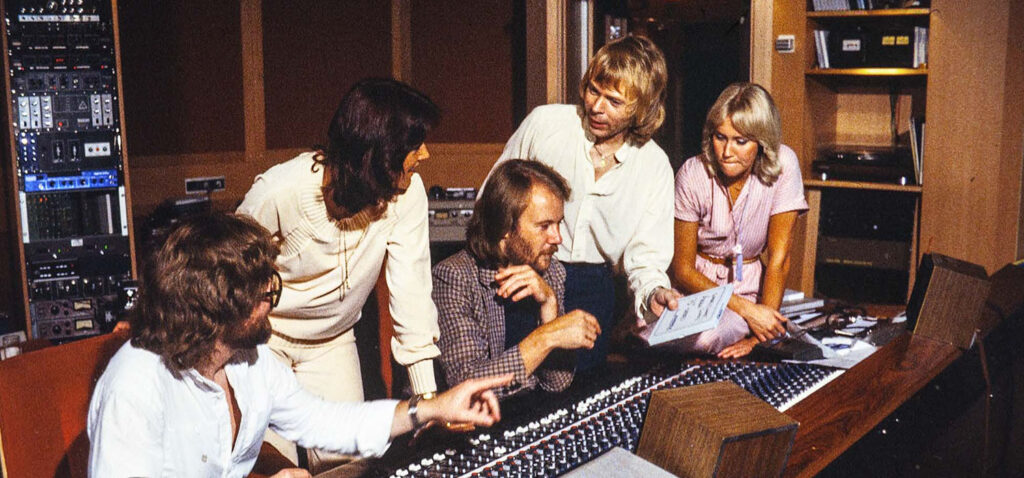
Watching ABBA in the studio was like observing an intricate dance. Benny and Björn often started with the skeleton of a song—usually a simple piano line or a guitar riff. From there, ideas would branch out organically. Sometimes, a rhythm would inspire a lyric, other times a melody would demand a new instrumental texture. The studio became both a workshop and a playground. It was here that the band would experiment with synthesizers, a relatively novel tool in the 1970s pop landscape. Benny, fascinated by the evolving technology, frequently used electronic keyboards to create sounds that had never been heard before, blending them seamlessly with traditional instruments.
Percussion was another key element in the studio sessions. While ABBA’s recordings often sound effortless and buoyant, many tracks were built on a foundation of painstakingly layered rhythms. Drums were recorded in isolation, sometimes using multiple microphones and innovative echo techniques to achieve a sense of depth and movement. The careful sculpting of rhythm helped songs like “Dancing Queen” transcend the era, giving them a timeless energy that continues to make dance floors vibrate decades later. Even subtle percussive elements, like the faint tap of tambourines or the quiet brush of snare, were meticulously positioned in the mix to enhance the song’s momentum without overwhelming the vocals.
Collaboration and Tension
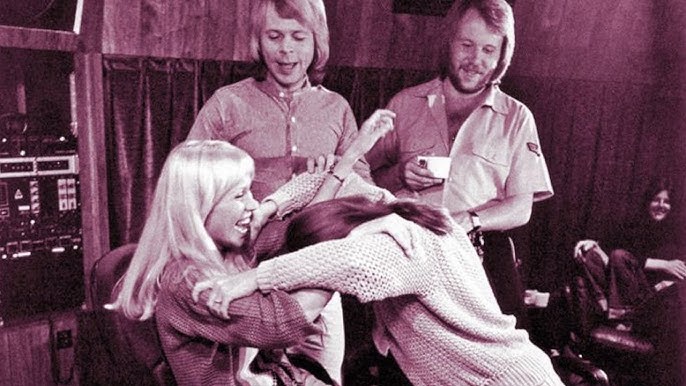
Creative genius rarely comes without friction, and ABBA’s studio sessions were no exception. Benny and Björn were meticulous and demanding, sometimes to the point of exhaustion for the vocalists and session musicians. Agnetha and Anni-Frid, despite their grace and professionalism, often pushed back, advocating for phrasing or emotional nuance that might otherwise be overlooked. These tensions, however, were rarely destructive. They were part of the alchemy that made the music so compelling. Every disagreement was essentially a negotiation over the emotional truth of the song, a dialogue that ultimately strengthened the final product. The band’s ability to turn tension into art is perhaps most evident in emotionally charged tracks like “The Winner Takes It All,” where personal history and musical expression intersected in a profound way.
The studio also served as a hub for collaboration beyond the four members. Session musicians, sound engineers, and arrangers all played pivotal roles. Guitarists, string players, and horn sections would be brought in to add texture and dimension. Each session was a balancing act between spontaneity and structure, creativity and discipline. By the time a track was complete, it often represented hours, sometimes days, of collaborative refinement. These musicians were not simply technical contributors; they were co-creators, interpreting the band’s vision and adding their own subtle flourishes that elevated each composition.
Technology Meets Intuition
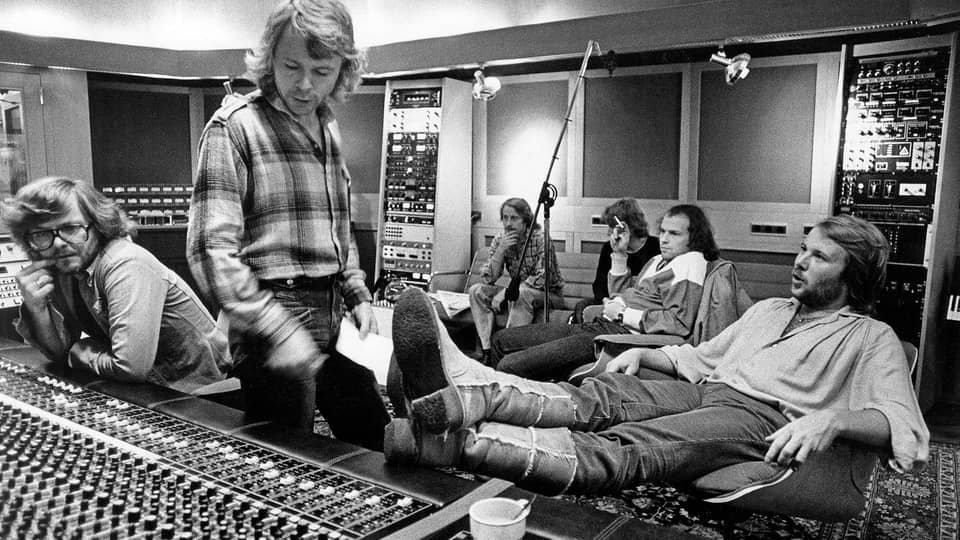
ABBA’s golden era coincided with a period of rapid technological innovation in recording. Multi-track tape machines allowed the band to layer sounds in ways previously impossible, and stereo recording offered spatial freedom that transformed the listening experience. Yet, despite these advances, the band never relied solely on technology. They used it as an extension of their intuition. Microphone placement, tape speed, and mixing techniques were all chosen not just for clarity, but for emotional impact. A subtle reverb here, a slight echo there, could turn a simple melody into an unforgettable experience.
One famous example is the recording of “The Winner Takes It All.” The song’s raw emotional power is enhanced by the way vocals and instruments occupy space in the mix. Agnetha’s voice is forward and intimate, while the piano and strings provide a rich, almost cinematic backdrop. This careful manipulation of sound required not just technical knowledge, but a deep understanding of human emotion, something ABBA mastered in the confines of their Stockholm studio. Even the recording of backing vocals was treated with obsessive care. Engineers would experiment with microphone distance and placement to create the illusion of a choir, adding depth and warmth without crowding the lead vocals.
Experimentation and Playfulness
What many fans don’t realize is that ABBA’s studio sessions were also a playground for sonic experimentation. Benny’s curiosity about emerging synthesizers and sound manipulation often led to entirely new textures that would define a track. Sometimes, an accidental instrument effect or an improvised vocal harmony would spark inspiration for an entire song section. This combination of discipline and playfulness allowed the band to take risks, creating music that felt both polished and spontaneous. In the Stockholm studio, mistakes were not wasted—they were potential breakthroughs, small sparks that could ignite a chorus, a bridge, or a sonic motif that became iconic.
Creating Timelessness
ABBA’s studio sessions were, at their core, about crafting timelessness. Every chord progression, every lyrical turn, every instrumental flourish was scrutinized for longevity. Benny and Björn were acutely aware that pop music often burns brightly but briefly. They wanted songs that could endure, that could be rediscovered by future generations without losing impact. This mindset transformed the studio from a simple recording space into a laboratory of lasting influence. The band’s dedication to perfection did not just shape sound; it shaped emotion, ensuring that each song resonated with authenticity and intimacy even decades later.
Even the atmosphere of the studio contributed to this longevity. Unlike many bands that relied on chaotic energy or spontaneous jam sessions, ABBA maintained a sense of calm rigor. Their studio was a sanctuary, insulated from the outside world, where music could be honed without distraction. In this environment, creativity was not left to chance; it was nurtured, refined, and perfected. The ritual of walking into the studio, setting up instruments, and beginning the careful layering of sound became a meditative process, one that allowed the band to enter a heightened state of musical focus.
The Legacy of Stockholm’s Studio Sound
Decades later, the echoes of ABBA’s studio work in Stockholm remain evident in modern pop music. Their layered harmonies, inventive arrangements, and meticulous production techniques have influenced countless artists across genres. The studio was not just a physical space; it was a crucible for innovation, a place where pop music’s potential was redefined. The sounds that emerged from those sessions were meticulously engineered to be both immediate and enduring, capturing the hearts of listeners then and now.
Walking through the stories of ABBA’s studio sessions, one realizes that their music was never accidental. It was a combination of extraordinary talent, relentless work ethic, and a profound understanding of how sound can move people. Each session, each take, each carefully adjusted note contributed to a body of work that remains vibrant, emotionally resonant, and culturally significant more than forty years later. The Stockholm studio was where genius met discipline, where technology met artistry, and where the magic of ABBA was meticulously crafted, one track at a time.
The golden era of ABBA was, in essence, the golden era of studio craftsmanship. Every hit they produced is a testament to what is possible when creativity is married to dedication, and when a team of passionate artists treats the recording studio not merely as a workplace, but as a laboratory of sound, emotion, and innovation. ABBA’s Stockholm sessions remind us that the making of a pop song is as much about patience, experimentation, and collaboration as it is about talent. The music may play on speakers around the world, but its heartbeat remains forever in the Stockholm studio where it all began.