The atmosphere within a creative studio can profoundly shape the work that comes out of it. Whether it’s a music studio, an art workshop, or a photography space, the environment plays a key role in inspiring creativity, encouraging focus, and driving innovation. Artists, designers, musicians, and creatives of all kinds often draw from their surroundings, which can influence their ideas, emotions, and overall process. A studio that offers the right kind of ambiance and energy can help artists unlock their potential, tap into their inspiration, and bring their most creative ideas to life.
Creative studios today are designed to optimize both comfort and inspiration, balancing functionality with artistic flair. This approach allows artists to find their rhythm, and it’s a trend that has evolved with our growing understanding of how physical spaces affect human emotions and productivity. Many studios are no longer just places to work but are carefully crafted environments that embody the style, ethos, and personality of the creatives who occupy them. From lighting to layout, colors to textures, every detail of a studio can contribute to the overall vibe, helping foster an atmosphere that nurtures creativity and exploration.
Lighting: Setting the Mood and Affecting Focus
One of the most critical aspects of a studio’s atmosphere is its lighting. The quality, color, and intensity of light in a space can greatly influence a creative’s mood, focus, and even their inspiration levels. Natural light, for instance, is often prized in studios because of its soft and dynamic quality. It changes throughout the day, creating subtle shifts in tone and energy that many artists find inspiring. Exposure to natural light has been shown to improve mood, reduce stress, and boost creativity, which is why many artists choose to work in studios with large windows, skylights, or open spaces that allow sunlight to flood in.
However, for some types of work, too much natural light can be a distraction. Photographers, for example, may need controlled lighting conditions to avoid overexposure or unwanted shadows. For them, adjustable artificial lighting that can mimic natural light or provide consistent illumination is essential. The ability to control light intensity and color temperature is especially valuable, as it allows creatives to set the mood they need for the particular project they’re working on. Warm lighting can create a cozy, inviting atmosphere, while cooler tones can help with focus and concentration. Some artists may even use colored lights to evoke specific emotions or enhance certain moods.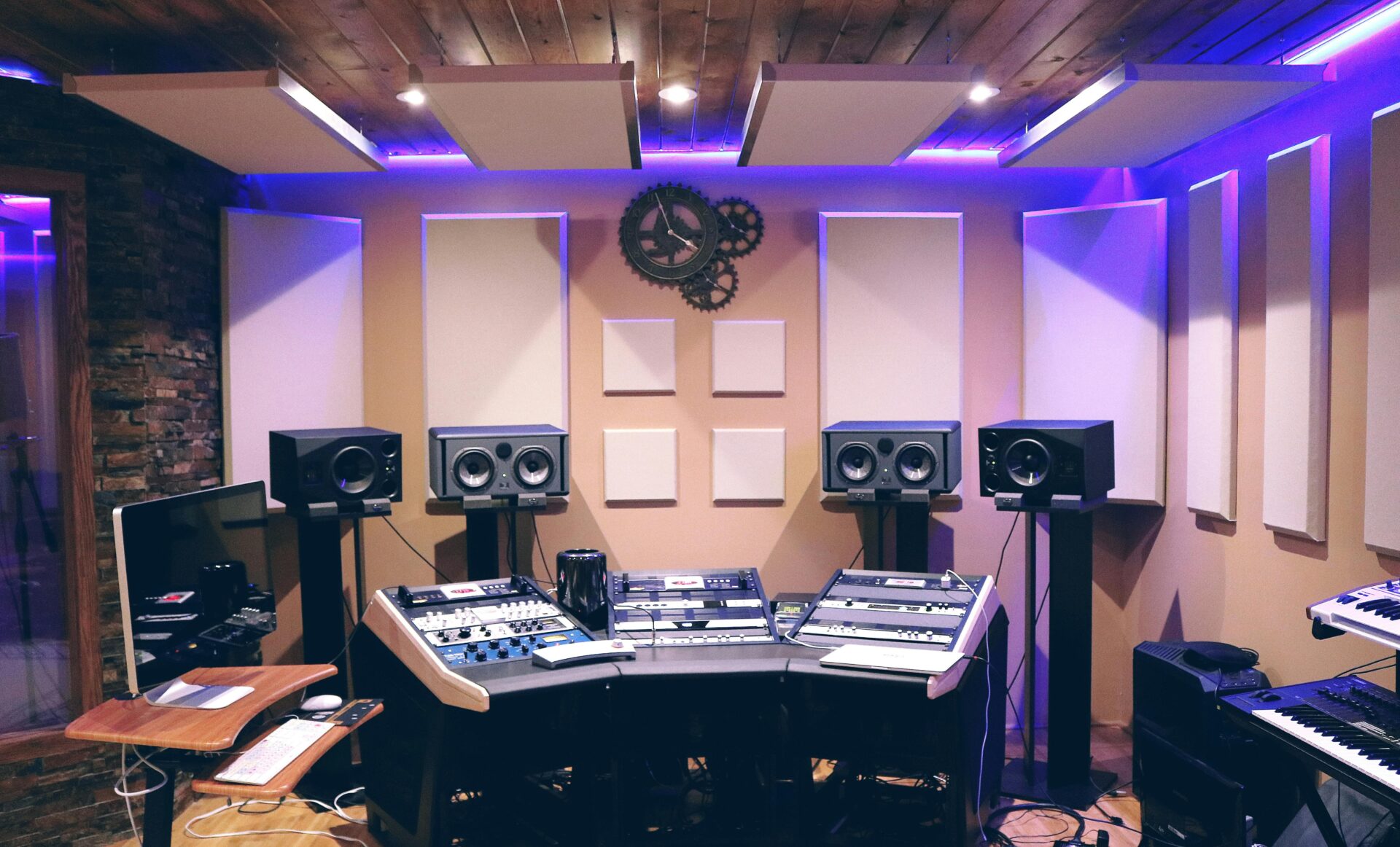
Many modern studios are equipped with dimmable lights or smart lighting systems that can be adjusted with a smartphone or a remote. This flexibility in lighting allows for seamless transitions between different tasks, whether an artist needs bright light for detail-oriented work or softer light for brainstorming sessions. Lighting can also have a direct effect on our biological rhythms, with some studies suggesting that working in environments with poor or harsh lighting can lead to eye strain, fatigue, and reduced cognitive function. Therefore, creating an ideal lighting setup is crucial to maintaining a productive and inspiring studio atmosphere.
Sound: Enhancing Focus and Inspiring Creativity
In a studio, sound is another important factor that can significantly impact creativity. Soundscapes, ambient noise, and music all play a role in shaping the mood of a studio and can either help or hinder the creative process. For some artists, silence is necessary to fully immerse themselves in their work, allowing them to concentrate without any distractions. Others thrive on background noise, finding that it helps them focus or even enhances their creativity. The key is to strike a balance that complements the type of work being done.
Many music studios, for example, have soundproof walls to prevent outside noise from interfering with recordings. These studios are designed to control every aspect of sound, allowing musicians to focus solely on their craft. Some visual artists and writers, however, prefer a more open environment where they can hear the sounds of nature or a bustling city, as these ambient noises can help them feel more connected to the world around them and inspire new ideas.
Music is another element that can set the tone for a studio session. Many artists create playlists that match their desired energy level or the mood of their project. Upbeat music can stimulate energy and excitement, while softer, instrumental pieces can encourage calm and focus. Some studios even utilize white noise machines or nature sounds to create a consistent background hum that blocks out distractions. Studies have shown that certain types of music or ambient sounds can enhance creative thinking by engaging parts of the brain associated with imagination and free association. When used strategically, sound can be a powerful tool in fostering a productive and inspiring studio atmosphere.
Layout and Ergonomics: Facilitating Movement and Creativity
The layout of a studio is another key component that influences creativity. The arrangement of furniture, tools, and equipment can impact how artists move through the space, how comfortable they feel, and ultimately how creative they can be. An effective studio layout is one that is tailored to the specific needs of the artist, whether that means having a large open floor for dance rehearsals, ample desk space for sketching and design work, or a variety of workstations for different stages of a project.
Flexibility is often an essential feature in studio design. For example, modular furniture that can be easily rearranged allows artists to adjust their workspace to fit different projects or moods. An artist might want a large table for a painting session, but prefer a cozy chair and small desk for writing or brainstorming. Some studios are designed with separate zones for different activities—such as a quiet area for reflection, a collaborative area for group discussions, and an active zone for hands-on work. This zoning approach encourages creative flow by giving artists the freedom to move between spaces based on their needs.
Ergonomics also play a significant role in studio layout. Creative work often involves long hours of intense focus, so it’s important that the studio is designed with comfort and health in mind. Ergonomic chairs, adjustable desks, and proper storage solutions can help prevent physical discomfort and fatigue, allowing artists to focus on their work without distraction. Studios that prioritize ergonomic design enable creatives to sustain their energy and maintain a higher level of productivity, ensuring that they can continue creating without unnecessary interruptions.
Another important factor is the accessibility and visibility of tools and materials. For artists who work with a variety of media, having their supplies organized and easily reachable can save time and reduce frustration. Shelving, pegboards, and labeled containers are commonly used to keep a studio tidy and functional, ensuring that the space remains conducive to creative work. By creating a layout that encourages ease of movement and access to materials, artists can maintain a natural workflow that supports their creative processes.
Color and Decor: Influencing Mood and Creativity
Color psychology is another powerful tool in creating an inspiring studio atmosphere. Colors can evoke certain emotions, influence moods, and even affect physiological responses, making them an important consideration when designing a creative space. For example, warm colors like red, orange, and yellow are often associated with energy, passion, and excitement, which can be beneficial for high-energy tasks or brainstorming sessions. On the other hand, cooler colors like blue and green are known for their calming effects, making them ideal for focused work or relaxation.
Many artists choose to paint their studios in neutral tones, allowing them to use colored accents or artwork to add personality and vibrancy to the space. This approach provides flexibility, as neutral walls won’t clash with the colors of ongoing projects. Bright, bold colors can be added through furniture, textiles, or art on the walls, giving the studio character without overwhelming the senses. Decor and personal touches—such as inspirational quotes, artwork, or even plants—can add a unique ambiance to the space, making it feel more inviting and aligned with the artist’s style.
Decorative elements also contribute to the overall vibe of a studio by creating a sense of identity and personal connection. Items with sentimental value, such as photos, mementos, or favorite books, can serve as sources of inspiration and motivation. Plants, in particular, are popular additions to creative studios because of their positive impact on mental well-being. Studies have shown that plants can reduce stress, improve air quality, and boost mood—all of which are beneficial for a creative environment. By incorporating elements that resonate personally, artists can create a space that feels both functional and inspiring.
Conclusion
The atmosphere of a studio is more than just a backdrop for creative work; it is an essential component of the creative process itself. From lighting and sound to layout, color, and technology, every aspect of the studio environment can influence an artist’s focus, mood, and level of inspiration. A well-designed studio can enhance productivity, reduce stress, and foster a sense of creativity and excitement, allowing artists to fully immerse themselves in their work and achieve their best results.
In a world where creativity is increasingly valued, the importance of studio atmosphere cannot be overstated. By creating a space that balances comfort, functionality, and inspiration, artists can unlock their full potential and produce work that reflects their unique vision and style. As the design of creative studios continues to evolve, the focus on creating an atmosphere that supports and enhances the artistic process will remain a central aspect of fostering innovation and creativity.