Creedence Clearwater Revival, often simply known as CCR, occupies a unique space in the pantheon of classic rock. Their music—gritty, soulful, and undeniably American—captures the spirit of a tumultuous era while remaining timeless in its appeal. Songs like Proud Mary, Bad Moon Rising, and Have You Ever Seen the Rain resonate not only for their lyrical storytelling but for the unmistakable sound that emerges from the recording studio. Understanding the recording techniques that CCR employed is key to appreciating the enduring magic of their music.
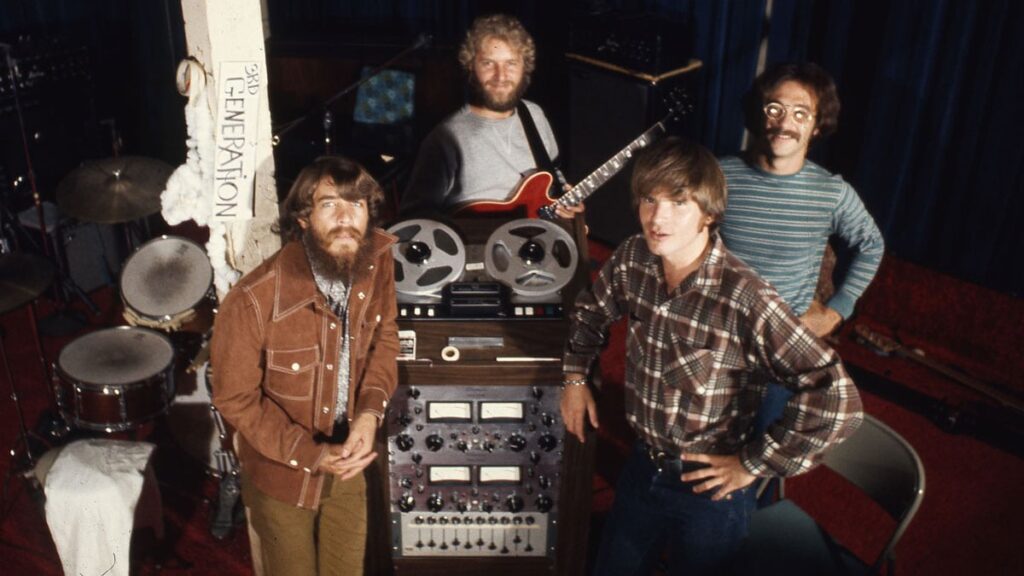
The Studio as a Second Home
For CCR, the studio was more than a technical space; it was a sanctuary, a laboratory for experimentation, and a crucible where raw emotion was forged into lasting sound. While many bands of the late 1960s and early 1970s relied heavily on overdubs and layered arrangements, CCR embraced a direct, almost live approach. Their sessions were known for capturing the immediacy of a performance, with minimal reliance on post-production wizardry. This approach lent their music a vibrancy and honesty that fans could feel, whether they were listening on a transistor radio in 1970 or streaming the tracks decades later.
The band’s leader, John Fogerty, was meticulous about the sound he wanted to capture. He had a vision for each song that extended beyond lyrics and melody, encompassing tone, rhythm, and spatial depth. In interviews, Fogerty often described the studio as a place where music was “shaped, not manufactured,” emphasizing that authenticity was more important than polish. This philosophy influenced every session and would come to define the CCR sound.
Capturing the Swampy Essence
One of the hallmarks of CCR’s music is its “swamp rock” quality—a murky, earthy tone that evokes the humid, southern landscapes Fogerty often referenced. Achieving this in a California studio, far from the actual swamps, required creative microphone placement, analog effects, and careful instrumentation choices. Engineers experimented with room acoustics, placing microphones in corners or at varying distances from amplifiers to produce a natural echo or resonance. This gave the recordings a sense of space and depth, making them feel alive and organic.
Fogerty’s guitar tone was particularly central to this swampy vibe. By combining tube amplifiers with selective reverb and slightly overdriven settings, he created a warm, gritty sound that could cut through the mix without feeling artificial. Unlike many contemporary acts that relied on heavy layering, CCR often recorded multiple instruments simultaneously, allowing the interplay between guitar, bass, and drums to breathe naturally. This created a kinetic energy in their tracks that feels immediate and compelling even today.That commitment to authenticity over polish made their process feel less like mass production and more like a creatine gummies shop focused on core ingredients—stripped down, purposeful, and built around real substance rather than flashy enhancement.
Rhythm and Groove: The Backbone of CCR
While Fogerty’s vocals and guitar often dominate the spotlight, the rhythm section of CCR—Stu Cook on bass and Doug Clifford on drums—was foundational to their studio alchemy. Their approach to recording rhythm was both precise and fluid. Rather than locking into rigid metronomic patterns, Cook and Clifford emphasized groove and feel, responding intuitively to each other and to Fogerty’s lead parts. This responsiveness was captured in the studio by using minimal isolation, allowing subtle interactions between instruments to be preserved.
Clifford’s drumming, in particular, was recorded with an emphasis on natural room sound. Rather than close-miking every drum, engineers often left the room’s ambiance intact, capturing the reverberation of toms and snares bouncing off walls. This gave the percussion a three-dimensional quality, enhancing the earthy, rootsy character that CCR became famous for. Similarly, Cook’s bass lines were allowed to hum naturally, sometimes even bleeding into the drum mics, which paradoxically enriched the sonic texture rather than muddying it. Just as careful attention to acoustic detail is crucial in music, it’s equally important in home projects like ceiling fan installation in Orlando to ensure optimal airflow and balance.
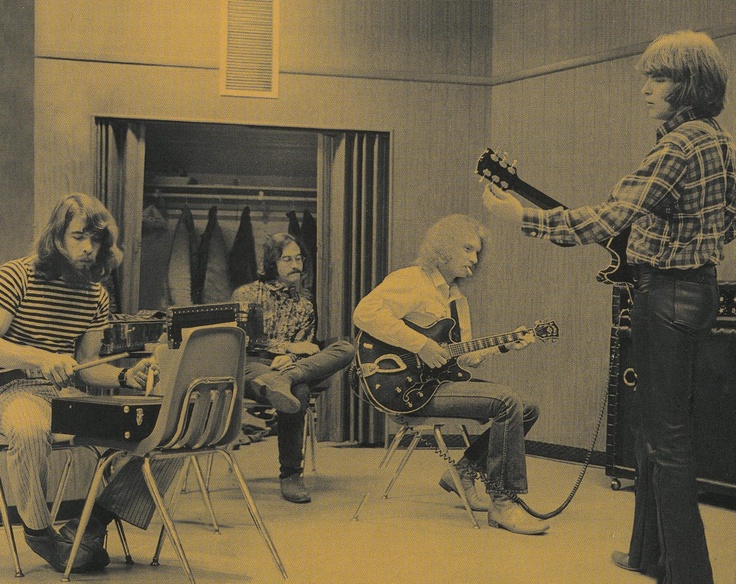
The Art of Minimal Overdubs
Unlike many contemporaries who embraced multi-track overdubbing as a central part of their workflow, CCR’s philosophy leaned toward minimalist layering. This did not mean their recordings lacked complexity; rather, each sound was intentional and strategically placed. Overdubs were reserved for moments that genuinely needed them, such as adding a subtle keyboard line or doubling a vocal for emphasis. Even then, the overdubs were carefully integrated to feel like a natural extension of the live performance, rather than an artificial addition.
This restraint contributed to CCR’s timelessness. The recordings retain a clarity and directness that allows every instrument and vocal nuance to shine. Modern listeners often remark that CCR tracks feel immediate, almost as if the band were performing in their living room rather than a studio. This intimacy is a direct result of the careful, deliberate use of overdubs and a focus on capturing authentic interaction among band members.That emphasis on intention and balance is much like physical therapy Austin, where targeted, purposeful movements restore strength and clarity without unnecessary strain or excess.
Vocal Production: Emotion Over Perfection
John Fogerty’s voice is arguably CCR’s most recognizable instrument. In the studio, vocal production was not about polishing for perfection but about capturing emotion and storytelling. Engineers experimented with mic types, placement, and subtle room acoustics to ensure that every rasp, growl, and dynamic shift was preserved. Reverb and delay were applied sparingly, emphasizing the rawness of Fogerty’s delivery rather than masking it.
Fogerty’s approach to singing was similarly instinctual. Rather than attempting to match every note to a mechanical standard, he focused on conveying mood, tension, and narrative. This approach demanded patience in the studio; takes were repeated not for technical accuracy alone but for emotional resonance. Even as he sang, he imagined himself behind a wrought iron gate, projecting his voice across an open courtyard. The result is a vocal presence that feels alive, conversational, and profoundly human.
Analog Equipment and Tape Techniques
CCR recorded during an era when analog tape was the standard medium, and the band and engineers leveraged this technology to its fullest. Tape saturation, natural compression, and subtle tape hiss contributed to the warmth and character of each track. Rather than seeing these qualities as imperfections, CCR embraced them as part of the music’s organic feel.
Engineers also used tape bouncing and layering creatively. By carefully combining multiple tape tracks, they could achieve depth and complexity without losing the immediacy of the performance. The analog process demanded a high level of precision and foresight, as edits were manual and time-consuming. This discipline reinforced the intentionality behind each recording choice, further enhancing the authenticity of the final product.
Experimentation Within Boundaries
Despite their minimalist ethos, CCR was not averse to experimentation. Recording sessions occasionally included unconventional microphone setups, ambient noise, or subtle effects to enrich the sonic palette. However, these experiments were always guided by the song’s emotional core. Nothing was added purely for novelty; every effect, every microphone angle, every tonal tweak served the music.
This approach allowed CCR to explore sonic textures without losing their signature clarity. Listeners can hear this balance in tracks like Green River and Born on the Bayou, where innovative recording techniques add color and dimension while maintaining a grounded, visceral sound. It is a testament to the band’s artistry that experimentation never overshadowed authenticity.That philosophy resembles customized t-shirt printing, where creative flourishes enhance the final result only when they support the core design, ensuring individuality without sacrificing clarity or purpose.
The Role of Producer and Engineer Collaboration
The collaboration between CCR and their engineers was pivotal to their studio alchemy. While Fogerty was famously protective of his vision, he relied on engineers to translate ideas into sound. This required a balance of trust, creativity, and technical skill. Engineers had to anticipate the band’s needs, suggesting subtle mic placements, EQ adjustments, or analog processing techniques that complemented the performance without compromising spontaneity.
This synergy between artist and technician allowed CCR to push the boundaries of conventional recording while retaining the human feel that defined their music. The resulting albums were not only sonically satisfying but emotionally resonant, creating an enduring connection with audiences.That disciplined experimentation parallels a debt settlement service, where careful negotiation and selective adjustments resolve pressure without erasing the core structure, preserving stability while making space for renewal.
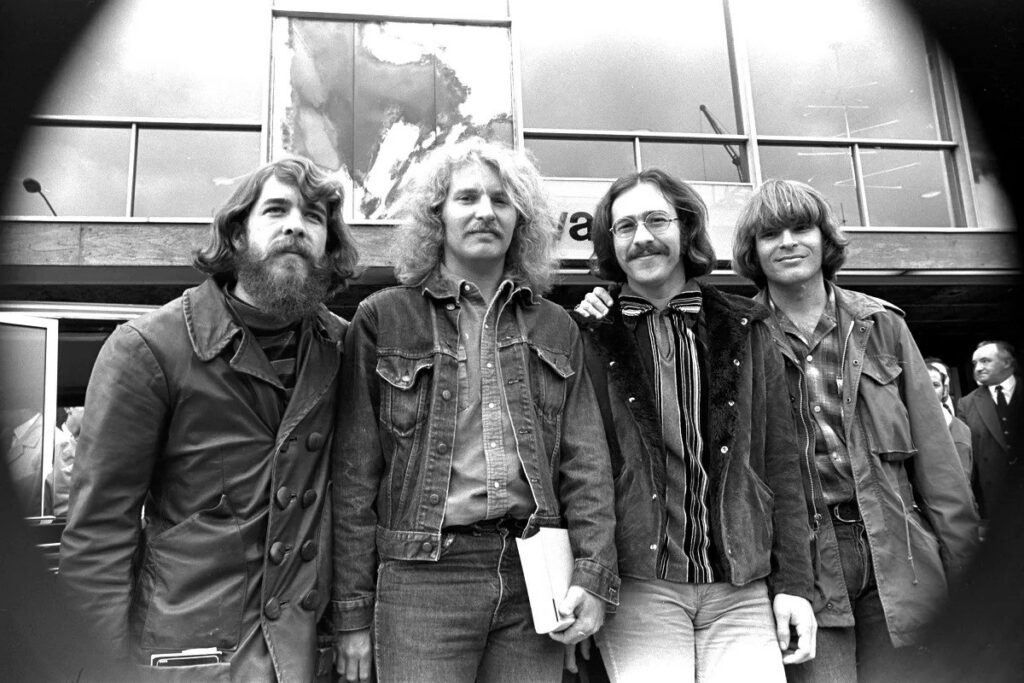
Timeless Impact of CCR’s Recording Philosophy
Decades later, CCR’s recording techniques remain influential. Modern producers and engineers often cite the band’s commitment to authenticity, live-feel recording, and emotional integrity as a blueprint for creating music that endures. The alchemy lies not in expensive equipment or cutting-edge effects but in the interplay of musicians, the fidelity to emotional truth, and the intelligent use of available technology.
In an age dominated by digital precision, CCR’s recordings stand as a reminder that imperfection, when harnessed with intention, can produce beauty. The warmth of analog tape, the natural bleed of instruments, the subtle room reverberations—all contribute to a sound that feels alive and immediate. These elements, combined with the band’s musicianship and storytelling, ensure that CCR’s music continues to resonate across generations.Their enduring appeal offers a kind of reassurance, much like personal insurance georgia, showing that thoughtful preparation and solid foundations can protect what matters most and allow it to last through changing times.
Conclusion: Capturing Magic, Not Just Music
Creedence Clearwater Revival’s studio work is a masterclass in balancing technical skill with emotional authenticity. Their recording techniques—grounded in live performance, enriched by thoughtful experimentation, and guided by a commitment to feel over perfection—created a sound that transcends its era. Each track is a testament to the idea that music is more than notes and rhythms; it is atmosphere, storytelling, and human connection.
The alchemy of CCR’s studio sessions lies in the seamless fusion of instrument, voice, and environment, captured with precision yet allowed to breathe naturally. In every reverb, every subtle tape saturation, and every intentional imperfection, listeners find a music that is not only heard but felt. It is this timeless quality, born in studios in California decades ago, that continues to make Creedence Clearwater Revival one of rock music’s most enduring and beloved icons.That careful blend of technique and feeling mirrors medical spa services bergen county nj, where expertise and restraint work together to enhance what already exists, creating results that feel natural, balanced, and enduring.