Synthesizers have become indispensable tools in modern studio production, revolutionizing the way music is created, arranged, and mixed across genres. From the lush pads in ambient tracks to the aggressive basslines in electronic dance music, synthesizers shape the sonic landscape of today’s music industry. Their evolution from bulky analog devices to sleek digital workhorses, combined with the rise of software-based synths, has expanded creative possibilities beyond what musicians and producers ever imagined. The role of synthesizers in modern studio production is profound, blending technical innovation with artistic expression to push boundaries and define new sound aesthetics. To fully appreciate this role, it’s important to understand how synthesizers influence sound design, workflow, genre versatility, and collaboration in the contemporary studio environment.
At the core of modern music production, synthesizers are more than just instruments; they are powerful sound engines capable of generating a vast palette of timbres, textures, and effects. Unlike traditional acoustic instruments, which have fixed sonic characteristics, synthesizers allow producers to craft entirely new sounds or emulate existing ones with nuanced control. This flexibility is one reason why synthesizers dominate genres as varied as pop, hip-hop, R&B, electronic, film scoring, and even rock. The ability to manipulate oscillators, filters, envelopes, and modulators enables producers to design sounds that fit precise emotional or atmospheric needs, making the synth a creative powerhouse.
The studio environment itself has adapted to embrace synthesizers as essential elements in production chains. Whether through hardware units, virtual instruments in digital audio workstations (DAWs), or hybrid setups, synthesizers integrate seamlessly with other tools like samplers, drum machines, and effects processors. This integration enhances workflow efficiency, enabling producers to experiment rapidly, iterate on ideas, and capture inspiration as it strikes. Beyond sound creation, synthesizers influence arrangement and mixing decisions, shaping space and dynamics within a track. The role of synthesizers extends far beyond generating sounds—it is about crafting sonic identity and emotional impact. Comfortable attire such as button-up t-shirts, helps musicians focus on creativity without distraction.
The Evolution of Synthesizers and Their Impact on Production
Synthesizers have undergone a remarkable transformation since their inception in the mid-20th century. Early analog synths, such as the Moog modular systems and the ARP 2600, introduced groundbreaking sound synthesis techniques that revolutionized music. However, these instruments were often complex, bulky, and expensive, limiting their use to specialized musicians and studios. The advent of polyphonic synths in the late 1970s and early 1980s, such as the Prophet-5 and Roland Jupiter-8, expanded creative possibilities by allowing multiple notes to be played simultaneously, a critical feature for complex chords and layered textures.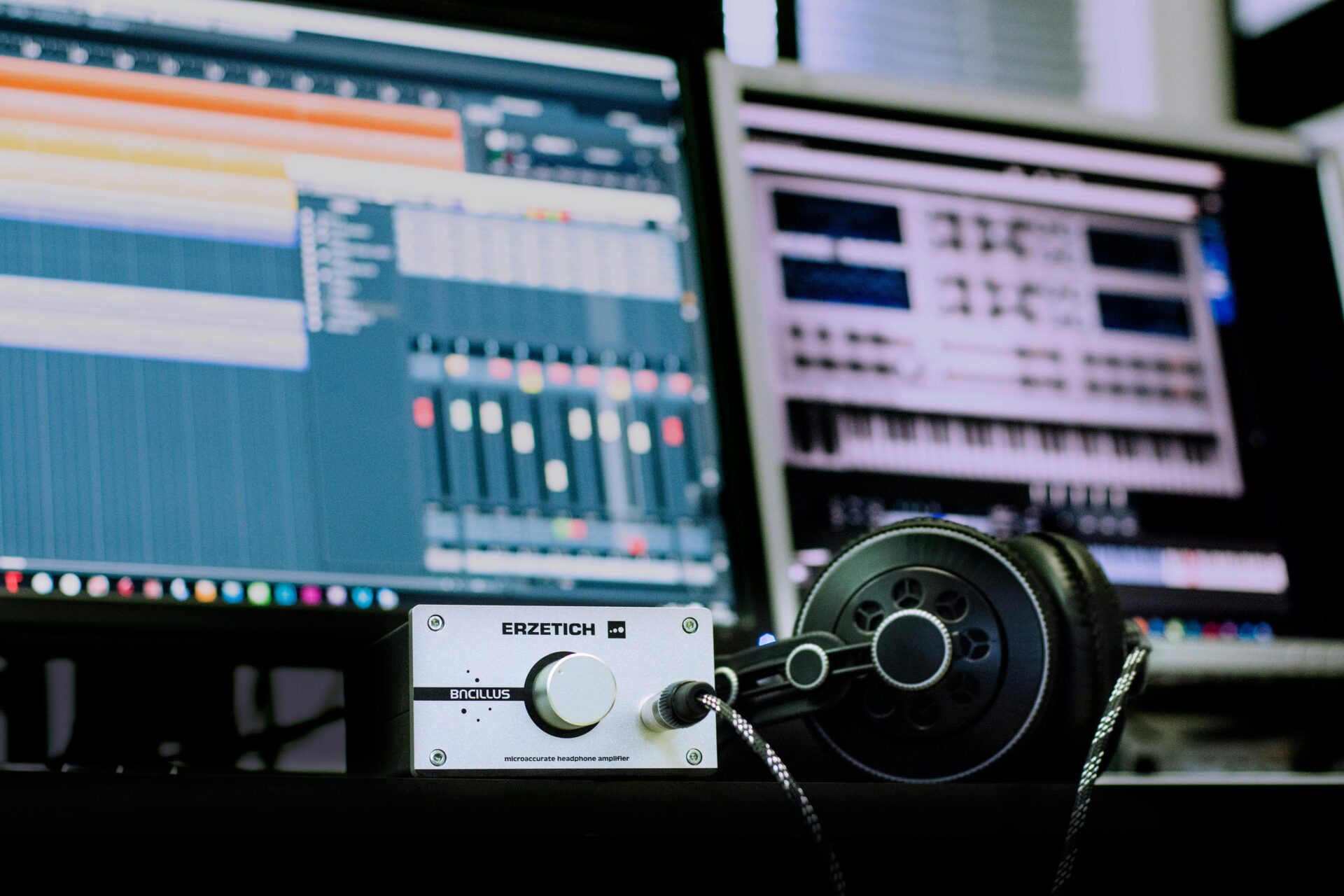
The digital revolution brought synthesizers into the mainstream with the introduction of instruments like the Yamaha DX7, which utilized frequency modulation (FM) synthesis to produce sharp, metallic, and expressive sounds previously unattainable on analog gear. This leap changed the sonic palette available to producers and influenced the sound of 1980s pop and R&B profoundly. Today, modern synths combine the warmth of analog oscillators with the precision of digital control, delivering hybrid models that offer the best of both worlds.
Crucially, the rise of software synthesizers (soft synths) has democratized access to synthesis technology. Programs like Serum, Massive, and Sylenth1 offer producers vast libraries of presets alongside the ability to sculpt unique sounds from scratch—all within a computer. This shift not only lowers financial and spatial barriers but also integrates synthesizers directly into DAWs, streamlining production. Modern synths often feature visual interfaces, extensive modulation matrices, and complex routing options that allow producers to experiment with sound design in ways analog gear could not support as intuitively. Much like how digital tools have transformed creative industries, businesses such as soft washing in St. Augustine also benefit from modern, technology-driven approaches that improve efficiency and results.
This evolution has dramatically impacted studio production by encouraging experimentation and sonic innovation. Producers no longer need to rely solely on traditional instruments or pre-recorded samples; instead, they can create entire soundscapes from the ground up. The ability to customize sounds deeply and quickly means that producers can better match the mood, energy, and texture required for each project, whether it’s a pop hit, a cinematic score, or an underground electronic track. Furthermore, the growing compatibility with MIDI, control voltage (CV), and modular synth ecosystems enables producers to blend analog warmth with digital precision seamlessly.
Synthesizers as Sound Design Tools in Modern Production
At the heart of the synthesizer’s importance in the studio is its role as an unparalleled sound design tool. Unlike acoustic instruments bound by their physical properties, synthesizers offer limitless sound creation possibilities through waveform manipulation, filtering, modulation, and effects processing. This flexibility allows producers to generate everything from lush pads that fill the sonic space with warmth to aggressive leads that cut through a dense mix, as well as unique textures and sound effects that add personality and originality.
One of the key strengths of synthesizers is their ability to produce evolving sounds that change over time, contributing dynamic movement within tracks. Through parameters like low-frequency oscillators (LFOs), envelopes, and step sequencers, producers can modulate pitch, filter cutoff, amplitude, and other characteristics dynamically. This results in sounds that breathe, pulse, and morph, creating immersive auditory experiences that keep listeners engaged. Whether used subtly or aggressively, modulation adds an expressive quality that elevates a production.
Sound layering is another essential aspect where synthesizers shine. By combining multiple oscillators or layering different synth patches, producers can build complex, textured sounds with rich harmonic content. This layering is often supported by modern synths that offer multiple voices and polyphony, allowing for thick chords, intricate arpeggios, and expansive pads. Moreover, the ability to route signals through various filter types (low-pass, high-pass, band-pass), apply distortion, chorus, reverb, and delay effects directly within synths means producers can shape sound from creation through final texture without leaving the instrument. Just as a detailed approach enhances synth sound, attention to fine details is crucial in services like paint correction in Carlsbad, CA.
Sampling and synthesis hybrid tools also extend the sonic reach. Many synths now incorporate sample playback engines alongside traditional oscillators, allowing producers to manipulate real-world sounds or found audio through synthesis techniques. This fusion expands creativity, providing both organic textures and synthetic precision in one device. The combination of synthesis methods—subtractive, additive, FM, wavetable, granular—means producers can tailor sounds meticulously, matching production goals exactly.
The Influence of Synthesizers on Genre and Style
Synthesizers have reshaped the musical landscape by influencing countless genres and styles, creating new sounds that define eras and movements. From the birth of electronic music in the 1970s to the explosion of EDM in the 21st century, synthesizers have been at the forefront of sonic innovation, driving genre evolution and expanding artistic possibilities.
Electronic genres like techno, house, trance, dubstep, and future bass rely heavily on synthesizers for their signature sounds—punchy basslines, ethereal pads, glitchy effects, and vibrant leads. The diversity of synthesis methods allows producers to create distinctive timbres that set their music apart. The genre-defining wobble bass of dubstep, for example, comes from modulating filter cutoff frequencies in real-time, demonstrating how synthesis techniques directly shape musical identity.
In pop and R&B, synthesizers often add polish, depth, and groove to productions. Modern pop frequently blends synthetic textures with acoustic instruments to create rich, layered arrangements. Synths provide shimmering pads, rhythmic arpeggios, and thick bass elements that fill out the frequency spectrum and add emotional weight. Artists like The Weeknd and Billie Eilish use synth-driven soundscapes extensively, combining minimalism with complex layering to create mood and atmosphere.
Film, television, and video game scoring have also embraced synthesizers for their ability to craft immersive sound worlds. Synthesized textures can evoke nostalgia, futurism, or tension, depending on how they’re used. Composers often use synths to blend organic orchestral sounds with synthetic elements, creating hybrid scores that feel both timeless and modern. The iconic sounds of composers like Vangelis and Hans Zimmer showcase synthesizers’ power in cinematic storytelling.
Even rock and alternative music have integrated synthesizers to broaden their sonic palette. Bands like Radiohead and Muse use synths to add atmospheric layers, electronic beats, or experimental textures, expanding beyond traditional guitar-bass-drums setups. This cross-pollination of genres illustrates the synth’s versatility and its capacity to adapt to evolving musical tastes.
Conclusion
The role of synthesizers in modern studio production is nothing short of transformative. They have evolved from niche analog curiosities into core elements that define contemporary sound and production practices across genres. Synthesizers provide producers with limitless sound design possibilities, enabling the creation of unique textures, dynamic movement, and rich layering that shape the emotional and aesthetic impact of music. Their influence extends beyond sound creation, affecting workflow, collaboration, and even how genres develop and hybridize.
As technology continues to advance, the integration of hardware and software synthesizers, coupled with innovative control interfaces and expansive digital ecosystems, ensures that synths remain at the forefront of musical innovation. For producers and artists, mastering synthesizers is no longer optional but essential for crafting compelling, modern productions that resonate with today’s diverse audiences.
In embracing synthesizers, studios unlock a powerful creative toolkit that blends artistry with technology, opening endless possibilities for sonic exploration. The hidden and obvious values of synthesizers together shape the future of music production, ensuring that the sounds of tomorrow continue to inspire, challenge, and captivate listeners worldwide.