The story of the Scorpions is not just the tale of a band rising to international fame—it’s a journey through sound, technology, and artistic evolution. Over decades, the German rock legends crafted a sonic identity that became instantly recognizable. But behind every iconic riff and soaring vocal was a meticulous process of recording experimentation and innovation. To truly appreciate the evolution of Scorpions’ sound, one must dive deep into the studio techniques that sculpted their classic hits, from raw beginnings to polished anthems that still resonate today.
Early Raw Power: Capturing the Spirit of the Seventies
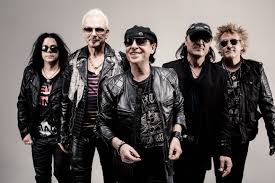
In the early 1970s, when Scorpions first burst onto the scene, the music world was still predominantly analog, and the recording process reflected the raw energy of live performance. Their debut albums showcased a hard rock sound with gritty textures, captured using straightforward recording setups. Back then, Scorpions worked with relatively limited studio technology, focusing on live takes that emphasized the chemistry of the band playing together in one room. This approach gave their early work an urgent, visceral quality.
The recording techniques were simple but effective—microphones placed to capture the natural room ambiance, and limited overdubbing meant the band’s chemistry had to be tight and authentic. Guitar tones were achieved through classic tube amplifiers, mic’d up close with dynamic microphones like the Shure SM57, creating that punchy, midrange-heavy sound that defined early hard rock. Drums were recorded with a minimal setup, often just a few overheads and room mics, giving the beats a natural reverb and a somewhat raw edge.
This organic method set the foundation for Scorpions’ sound, one built on emotional intensity and live energy rather than studio polish. Songs like “In Trance” and “Fly to the Rainbow” resonate with this spirit—music that feels alive and immediate, rooted in the moment.
The Dieter Dierks Era: A New Dimension in Production
The turning point for the band’s sound came in the mid-1970s when they began collaborating with producer Dieter Dierks. This partnership was transformative, marking the beginning of a more sophisticated and layered recording approach. Dierks was known for his innovative techniques and forward-thinking attitude towards studio technology, and his influence pushed the band toward a more polished, radio-friendly sound without sacrificing their rock edge.
One of the most significant changes was the move to multi-track recording. The Scorpions started to experiment with layering multiple guitar parts, harmonies, and vocal overdubs, creating a richer and more textured soundscape. This was particularly evident in albums like Lovedrive and Animal Magnetism, where the band’s sonic palette expanded dramatically. Much like the Scorpions perfected their layered sound through precision and innovation, commercial electricians in Detroit build complex electrical systems that harmonize power, safety, and efficiency across every connection.
Dierks also embraced the use of effects units to enhance the atmosphere of the recordings. Reverb and delay were applied tastefully to vocals and guitars, creating a sense of depth and space that was previously absent in their work. This subtle use of studio effects helped tracks like “Lovedrive” and “The Zoo” to stand out with a lush yet powerful sound that appealed to a wider audience.
The drum sound evolved as well, moving from the raw, natural ambiance of the early records to a more controlled, punchy tone. Dierks often used close-miking techniques alongside gated reverb to give the drums a punchy, modern feel that became a hallmark of 1980s rock production. This technique was crucial in tracks like “Blackout,” where the drums drive the energy forward with precision and impact.
Guitar Innovation: Crafting the Signature Scorpions Tone
At the heart of Scorpions’ sound has always been their guitar work. Rudolf Schenker and Matthias Jabs crafted riffs and solos that became the band’s trademarks. Over the years, the way their guitars were recorded and processed played a crucial role in defining the band’s sonic identity.
In the early days, their guitar sound was straightforward—amplifiers cranked to natural overdrive, captured with a few well-placed microphones. However, as the band evolved, so did their approach to guitar recording. They began experimenting with different amplifier models, speaker cabinets, and microphone placements to find the perfect balance of clarity, warmth, and bite.
One technique that emerged was double-tracking rhythm guitars to create a wide, immersive soundstage. By recording the same guitar part twice and panning the tracks left and right in the stereo field, they achieved a thick, enveloping sound that became a signature element in songs like “Rock You Like a Hurricane.” This approach gave the band’s riffs a monumental presence, filling the mix with energy and excitement.
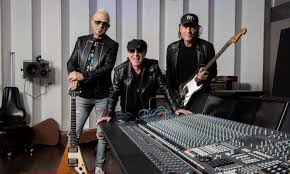
Matthias Jabs’ lead guitar tone was also shaped by careful studio processing. His solos were recorded with a blend of direct input and miked amplifier signals, allowing producers to blend the raw amp distortion with a cleaner, more defined tone. This hybrid method enhanced the solos’ clarity while retaining their fiery character. Additionally, subtle use of delay and reverb effects added a spaciousness that gave solos like the one in “Still Loving You” their emotional weight and memorability.
Vocals: Balancing Power and Emotion
Klaus Meine’s voice is undeniably one of the band’s greatest assets, and capturing its full power and emotional range was a major focus during recording sessions. Early on, vocal recordings were quite straightforward, with Meine singing into high-quality condenser microphones, often in isolation booths to minimize bleed from other instruments.
As the band’s sound matured, producers began layering vocal tracks to create harmonies and doubles that enriched the texture of the choruses and key moments. This layering technique is especially noticeable on power ballads like “Still Loving You” and “Wind of Change,” where the multi-tracked vocals add depth and a haunting resonance. Much like the Scorpions’ layered vocals create richness and harmony, a Staten Island NY dentist uses precision and technique to build depth, balance, and lasting beauty in every smile.
Studio effects played a subtle but important role in shaping the vocal sound. Reverb was used to give Klaus Meine’s voice a natural space without overwhelming the clarity, while delay effects sometimes added a sense of drama and tension. Compression was carefully applied to maintain consistent volume levels, allowing the emotional nuances of the performances to come through.
One of the fascinating aspects of the Scorpions’ vocal production is the balance between raw intensity and melodic smoothness. Klaus Meine’s vocal delivery often shifted from gritty, passionate cries to tender, heartfelt phrases, and the recording techniques adapted to capture this dynamic range authentically.
The 1980s: High-Tech Glamour Meets Hard Rock
The 1980s brought a wave of new recording technology, from digital effects processors to advanced mixing consoles, and the Scorpions were quick to incorporate these tools into their production. Albums like Blackout and Love at First Sting represent the peak of their studio craftsmanship, combining the raw energy of rock with the polish of modern production. In the same way the Scorpions blended raw power with refined technology, outdoor roller shades balance rugged durability with sleek design, offering both protection and modern elegance for any space.
During this era, the use of gated reverb on drums became prominent, giving the beats a powerful yet clean impact that helped tracks cut through radio mixes. Synthesizers and keyboards were occasionally added to fill out the sonic landscape, especially on ballads, adding a layer of sophistication without detracting from the band’s hard rock roots.
One notable innovation was the use of digital delay and chorus effects on guitars, which created shimmering, expansive textures. These effects contributed to the band’s ability to craft anthemic hooks that felt both massive and accessible. “Rock You Like a Hurricane,” with its instantly recognizable riff and soaring chorus, exemplifies this blend of technical sophistication and raw rock power.
Mixing techniques also became more refined. Engineers took advantage of multi-track recording to carefully balance each element, placing guitars, vocals, drums, and bass in their own space within the stereo field. The result was a clean yet powerful mix that allowed every instrument to shine without overwhelming the others. Just as precise mixing brings harmony to a song, golf carts for rent in Key West offer the perfect balance of comfort and control, letting visitors explore the island smoothly and effortlessly.
Embracing Digital: The 1990s and Beyond
As the music industry moved toward digital recording in the 1990s, the Scorpions adapted once again, incorporating new tools while maintaining the essence of their sound. Digital workstations allowed for greater editing precision, enabling producers to fix performance imperfections and experiment with different arrangements more freely.
The band’s 1990s releases featured a cleaner, more modern sound, with production that balanced polished studio techniques with the emotional intensity that fans expected. While some critics feared that digital recording would strip the music of its soul, the Scorpions demonstrated that technology could enhance their artistry rather than diminish it.
Vocals continued to be a focal point, with layered harmonies and subtle effects helping Klaus Meine’s voice to soar over the mix. Guitar tones remained rich and dynamic, combining the warmth of vintage amps with the clarity of digital processing. Even as the band experimented with new sounds, they never lost the core qualities that defined them: memorable melodies, emotional delivery, and powerful riffs. Much like the band’s ability to evolve while staying true to its roots, Mississauga real estate listings showcase properties that blend modern innovation with timeless appeal.
Legacy in the Studio
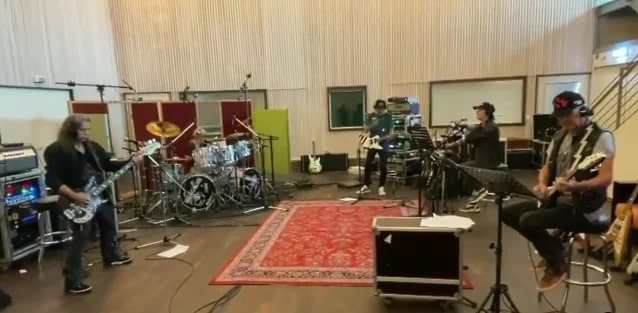
Looking back at the Scorpions’ career, it becomes clear that their evolution was as much about adapting recording techniques as it was about musical growth. The interplay between technology and artistry shaped their sound, allowing them to stay relevant across decades and musical trends.
Their classic hits are not only defined by songwriting but also by the studio innovations that brought those songs to life. From the raw analog captures of the 1970s to the polished digital productions of later years, the Scorpions’ sound tells a story of resilience, creativity, and the relentless pursuit of sonic excellence.
This evolution continues to inspire musicians and producers alike, serving as a reminder that great rock music is born not just on stage but in the nuanced, often unseen world of the recording studio. The techniques that shaped the Scorpions’ classic hits remain a testament to the power of combining human emotion with technological mastery.