Black Sabbath is often hailed as the godfather of heavy metal, a band whose sound forged a new musical path in the early 1970s and reshaped rock music forever. But beyond the raw power of their riffs and Ozzy Osbourne’s haunting vocals, there lies a story often overshadowed by their larger-than-life stage presence—their legendary studio sessions. These moments of creation, experimentation, and sometimes tension in the recording studio were pivotal in sculpting the dark, heavy sound that became their signature. Exploring Black Sabbath’s studio work reveals not only how they evolved sonically but also how they defined an entire genre, layer by layer, take by take.
The Birth of a New Sound in the Studio
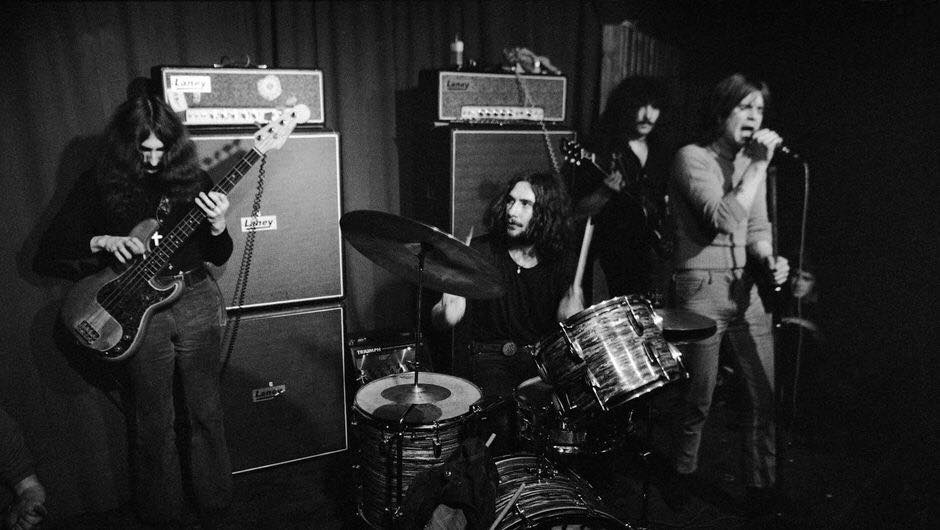
When Black Sabbath entered the studio for their debut album in 1970, the heavy metal genre as we know it didn’t exist. The members—Tony Iommi, Geezer Butler, Bill Ward, and Ozzy Osbourne—were young musicians from Birmingham, England, brimming with raw energy but limited by their technical training. Yet, this limitation became a source of innovation. Tony Iommi’s finger injury from an industrial accident forced him to down-tune his guitar strings, which contributed to the doom-laden, sludgy riffs that came to define their music. This unconventional approach was refined and captured during those early studio sessions.
The first album, recorded mostly at Regent Sound Studios in London with producer Rodger Bain, was steeped in atmosphere and darkness. The studio sessions were not just about recording songs; they were an exercise in crafting a mood. Black Sabbath’s music was raw and heavy, but in the studio, they learned how to translate that power into something even more menacing and immersive. The hiss of feedback, the low-end rumble of bass, and the deliberate pace of the drums were all meticulously captured and balanced to create that signature oppressive soundscape. Much like modern branding firms carefully craft an image, the band’s studio work was about shaping an unmistakable identity for their music.
Innovating with Production Techniques
What makes Black Sabbath’s studio work truly fascinating is how much they relied on inventive production techniques to enhance their music’s ominous vibe. Early producers like Rodger Bain understood that their sound wasn’t just about loud guitars; it was about texture and space. The use of reverb, echo, and layering added depth to their music that set them apart from their contemporaries.
During the recording of their second album, Paranoid, the band experimented further in the studio. The track “Iron Man” showcases how the studio became a laboratory for sound manipulation. Tony Iommi’s riff was recorded with a thick, distorted tone that made the guitar sound almost like a machine, while Geezer Butler’s bass and Bill Ward’s drums locked into a relentless groove. The studio engineers played a critical role, emphasizing the low frequencies to give the track its iconic heaviness. Interestingly, discussions about innovative sound engineering like this can often be heard among music enthusiasts at an ebike shop in Portland.
Another key moment in the studio was the recording of “War Pigs,” where Black Sabbath employed dynamic contrasts, shifting from slow, ominous verses to explosive choruses. Capturing this dramatic tension required careful attention during mixing to preserve the song’s narrative feel. The band’s willingness to explore studio possibilities rather than just relying on live sound was instrumental in crafting albums that still resonate decades later.
Evolving with Each Album
As Black Sabbath progressed beyond their first two albums, their studio sessions grew increasingly complex and experimental. The third album, Master of Reality, saw the band pushing the boundaries of heaviness and atmosphere even further. It was during these sessions that they embraced down-tuning more fully, with Tony Iommi tuning his guitar even lower, which added a new layer of thickness and darkness to the music. The studio became a space where sonic textures were manipulated more boldly, with techniques such as double-tracking guitars and using unconventional mic placements.
The recording of “Sweet Leaf,” for example, began with the sounds of a coughing fit, which was actually Ozzy Osbourne enjoying a marijuana cigarette. Instead of editing it out, the band decided to incorporate it as an intro, adding a raw and human element to the track. Moments like these demonstrate how the studio sessions were not just about technical perfection but about capturing authenticity and atmosphere. Even in casual studio moments, the band members could be found chatting about hobbies ranging from motorcycles to cowboy apparel.
By the time they entered the studio for Vol. 4, Black Sabbath’s sound had matured, incorporating more diverse instrumentation and effects. They started to use keyboards and synthesizers, which broadened their sonic palette beyond the classic guitar-bass-drums setup. Producer Mike Butcher helped the band explore these new sounds, contributing to the album’s more experimental and layered feel. Tracks like “Snowblind” reveal a band comfortable weaving darker, more psychedelic elements into their music, all carefully sculpted in the studio environment.
Tension and Creativity: Studio Challenges
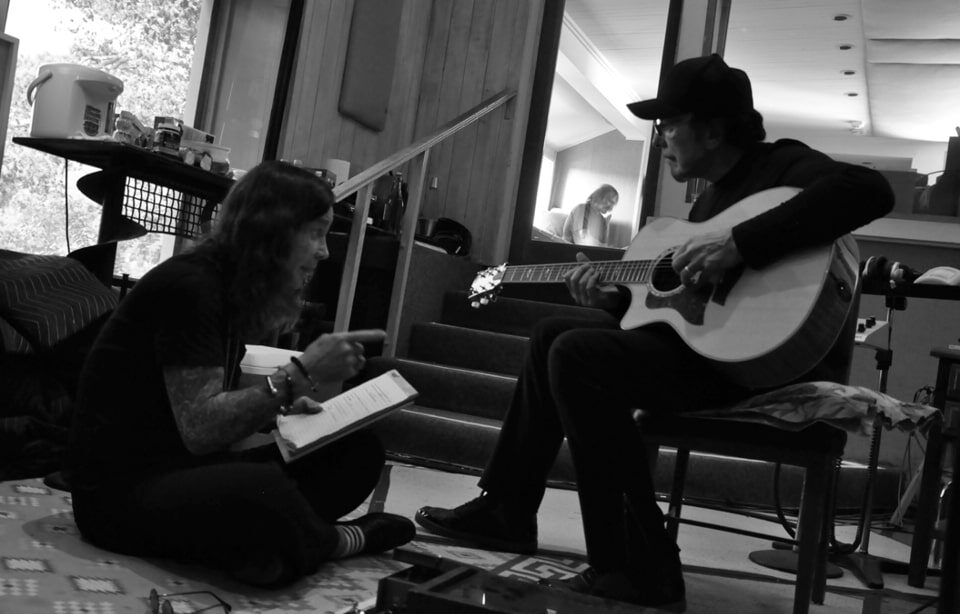
The studio was also a place of tension for Black Sabbath, especially as their fame grew and personal struggles intensified. Ozzy Osbourne’s growing substance abuse, internal band conflicts, and pressure from record labels made some recording sessions fraught with difficulty. These tensions, however, often fueled their creativity, adding a palpable edge to their music.
The sessions for Sabotage were marked by conflict, yet the band managed to channel their frustration into powerful performances. The track “Symptom of the Universe” is often cited as a precursor to thrash metal because of its aggressive riffs and rapid tempo. Capturing this intensity in the studio required patience and precision, as the band pushed their limits. Despite the difficulties, these sessions produced some of their heaviest and most groundbreaking work.
Technological Shifts and Their Impact
Throughout the 1970s, advances in recording technology opened new doors for Black Sabbath’s studio evolution. The band moved from simple 8-track to 16-track recording, allowing more layering and overdubbing. This technological growth enabled more complex arrangements and experimentation with soundscapes.
The use of multi-track recording allowed Tony Iommi to layer multiple guitar parts, creating the thick, immersive walls of sound that became a hallmark of Sabbath’s later albums. It also gave the band the flexibility to refine their takes, bringing a new level of polish without losing the raw energy. The studio became a tool for both artistic expression and technical refinement.
However, the band was always wary of losing their raw edge. Unlike many contemporaries who polished their sound into radio-friendly gloss, Black Sabbath retained a gritty, imperfect feel. Their studio work walked the line between innovation and authenticity, ensuring the music stayed true to their vision of darkness and heaviness.
The Studio as a Creative Sanctuary
Beyond the technical aspects, the studio was a sanctuary for Black Sabbath—a place where they could explore the depths of their musical and emotional expression. The dark themes that permeated their lyrics and sound were mirrored in the atmosphere of the studio sessions. Songs about war, addiction, and societal decay found their full expression not just through words, but through the thick layers of distorted guitars, ominous bass lines, and haunting drum patterns.
In many ways, the studio became an extension of their identity. The tension, the experimentation, and even the struggles within the band were etched into the grooves of their albums. This connection between the personal and the technical gives Black Sabbath’s studio recordings a unique intensity that continues to captivate listeners.
Legacy of the Studio Work
Black Sabbath’s studio sessions laid the groundwork for countless musicians and producers who followed. Their approach to recording heavy music was revolutionary at the time and continues to influence metal and rock production today. Bands like Metallica, Iron Maiden, and countless others have cited Sabbath’s albums as essential blueprints.
The meticulous crafting of sound in the studio allowed Black Sabbath to transcend their live performances and create albums that stand as monumental works of art. Their willingness to experiment with tone, texture, and atmosphere helped define the studio as not just a place to capture music, but as a creative partner in the artistic process.
Conclusion
Inside the darkness of Black Sabbath’s studio sessions lies a story of innovation, struggle, and profound creativity. From their humble beginnings in a modest London studio to their exploration of advanced recording techniques and sonic experimentation, the band’s evolution in the studio was as dynamic as their music itself. The heaviness, the mood, and the raw emotion that defined Black Sabbath were born not only on stage but within the walls of the studio—a place where the seeds of heavy metal’s birth were sown, take by take, riff by riff.
Black Sabbath’s legacy in the studio is a testament to their vision and determination, proving that sometimes, the most powerful music emerges from darkness, tension, and the courage to explore the unknown. Their studio sessions are legendary not just because of the music they produced, but because of the way those moments in time changed the course of rock history forever.