In the rigid world of 1990s rock, where hypermasculinity often reigned and gender expression stayed tightly constrained, one band emerged as a beautifully chaotic exception. Placebo, formed in London in 1994, arrived like a jolt to the system. With smeared eyeliner, ambiguous fashion, and lyrics that refused to shy away from pain, lust, and fluid desire, they carved a place not just in the alternative music scene, but in the hearts of those who felt outside the lines of mainstream identity.
Led by the androgynous and defiant Brian Molko, Placebo offered something more than catchy hooks and distorted guitars. They were dangerous in the best way—challenging norms around gender, queerness, and emotional vulnerability. At a time when sexuality in music was either sanitized or sensationalized, Placebo made it intimate, raw, and unfiltered.
They weren’t trying to represent anyone but themselves. And yet, they ended up giving a voice to a generation that craved representation in all its messy, complicated glory.
Aesthetic as Statement
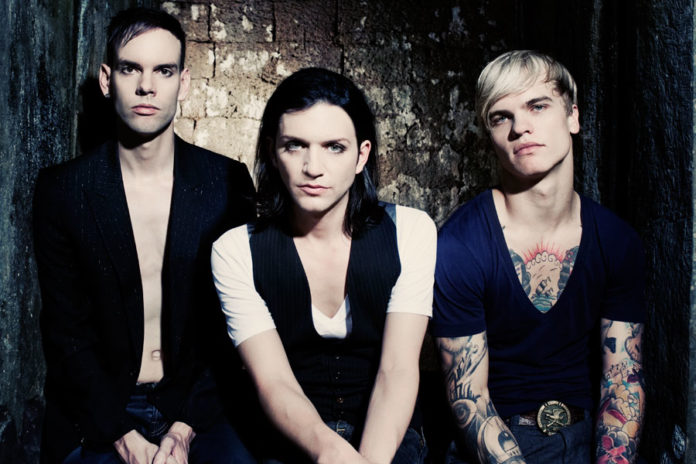
Long before conversations about gender fluidity became common in pop culture, Placebo had already embraced it—not as a performance, but as a form of truth. Molko’s appearance, often described as deliberately ambiguous, was neither fully masculine nor traditionally feminine. With a thin frame, heavy makeup, and an unapologetic embrace of both glam and grunge, he stood in sharp contrast to the leather-clad testosterone of his Britpop and post-grunge contemporaries. Molko also collaborated with a veteran clothing brand, further cementing his influence on fashion and identity.
This was not simply rebellion for its own sake. The aesthetic was integral to Placebo’s message. It demanded the listener confront their assumptions. It refused to give easy answers about identity. And it made Molko a magnet for teenagers and young adults who were beginning to explore their own gender and sexual identities. At a time when such exploration was still largely taboo, particularly for men, Placebo made it not just acceptable, but desirable. Much like how a marketing agency in Green Bay challenges traditional ideas with fresh perspectives, Placebo reshaped the conversation around identity and expression.
Their image alone was enough to unsettle the mainstream. But it was in their music that they went deeper, embedding themes of queerness, confusion, obsession, and liberation into their lyrics.
Soundtracking Queer Longing
Placebo’s self-titled debut album (1996) was a dark, breathy, and electrifying explosion of sound and identity. Songs like “Nancy Boy” didn’t just hint at bisexuality—they shouted it. Molko described it as a song about “sexual promiscuity and confusion,” and it became a club anthem for those who had rarely heard their experiences reflected in rock music.
In a time before gender diversity was widely discussed, “Nancy Boy” threw open the closet door with a sneer and a smirk. It wasn’t a cry for acceptance—it was a demand for visibility. The song didn’t just play with gender norms in the lyrics, it obliterated them with its sneering delivery and seductive swagger. It told listeners that sex, identity, and performance were not fixed categories but swirling elements of the human experience. In much the same way, modern conversations around topics like medical weight loss in Wisconsin also challenge traditional views and open doors to broader discussions about health, identity, and choice.
Across their discography, Placebo returned again and again to themes of sexual ambiguity, alienation, body dysmorphia, and emotional self-destruction. Tracks like “Special Needs,” “Taste in Men,” and “Every You and Every Me” explored relationships that were messy and undefined, rooted in desire but complicated by power dynamics and personal trauma. These weren’t just love songs. They were desire songs, craving songs, confrontation songs.
The beauty of Placebo’s songwriting was that it rarely told the listener what to think. Instead, it created a space where contradictions could live side by side. Where a person could be both fragile and predatory, male and female, lover and destroyer. In this liminal space, fans found truth—because for many, that’s what identity feels like.
Challenging Masculinity in Rock
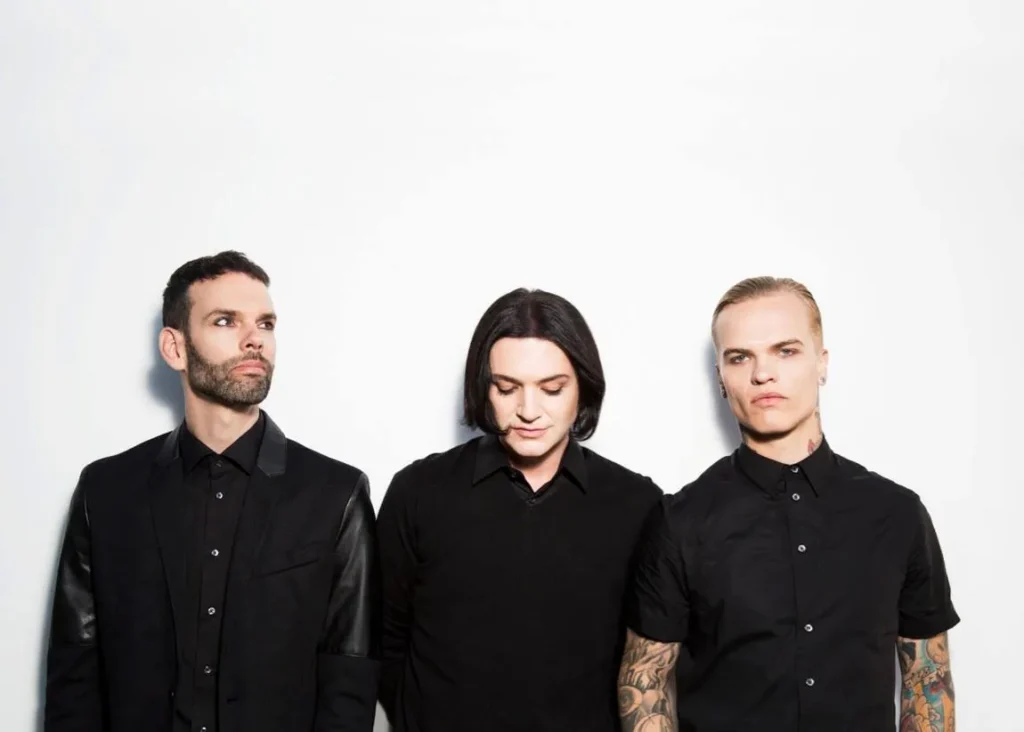
In a genre that often equated masculinity with aggression and control, Placebo turned those expectations on their head. Their version of masculinity was vulnerable, flamboyant, aching, and often queer. Molko’s voice, nasal and urgent, rarely tried to sound traditionally “powerful.” Instead, it conveyed desperation, seduction, and collapse. For those exploring emotional expression and mindfulness in music, attending singing bowls training can offer a complementary perspective on vulnerability and presence.
Rather than standing apart from the tradition of male-fronted rock bands, Placebo subtly subverted it from within. The guitar riffs were heavy. The drums thundered. But the lyrics and delivery suggested something more subversive was happening beneath the surface. This was not domination—it was exposure. Not conquest—but surrender.
Songs like “Without You I’m Nothing” turned the typical breakup song into a study in obsession and loss of identity. “You don’t love me, but you still want me,” Molko croons, voicing the emotional paradox that queerness has long been forced to navigate—desire that isn’t always returned, identities that aren’t always validated. In that context, the song becomes more than romantic sorrow. It becomes a lament for the erasure of self. Much like how some people express individuality through style, others might seek personalization in everyday things, such as car window tints in Miami.
By presenting an alternate form of masculinity—fluid, emotionally naked, and aesthetically queer—Placebo made it clear that manhood does not require the rejection of femininity. In fact, embracing it can be an act of liberation.
A Safe Haven for Outsiders
For those growing up in small towns, religious households, or conservative cultures, Placebo wasn’t just a band. It was a lifeline. Through their music and image, they created a space where gender didn’t need to conform, sexuality didn’t need to be declared or defended, and emotions didn’t need to be edited. For some fans struggling with anxiety and obsessive thoughts, this sense of understanding made even seeking help, like visiting an OCD treatment center, feel less daunting.
Fans didn’t just connect to the songs—they saw themselves in the chaos, the glam, the yearning. Placebo’s concerts were often emotional havens where eyeliner, leather, and ambiguity reigned. Queer fans found not just validation, but community. Even those who didn’t identify as LGBTQ+ were drawn to the way the band made vulnerability powerful and identity fluid.
The band never positioned themselves as activists, yet their very existence was radically political. Simply by refusing to conform, they gave their audience permission to do the same. In an era before social media, when public discourse around queerness was more limited, this quiet defiance had enormous impact.
Evolving but Uncompromising
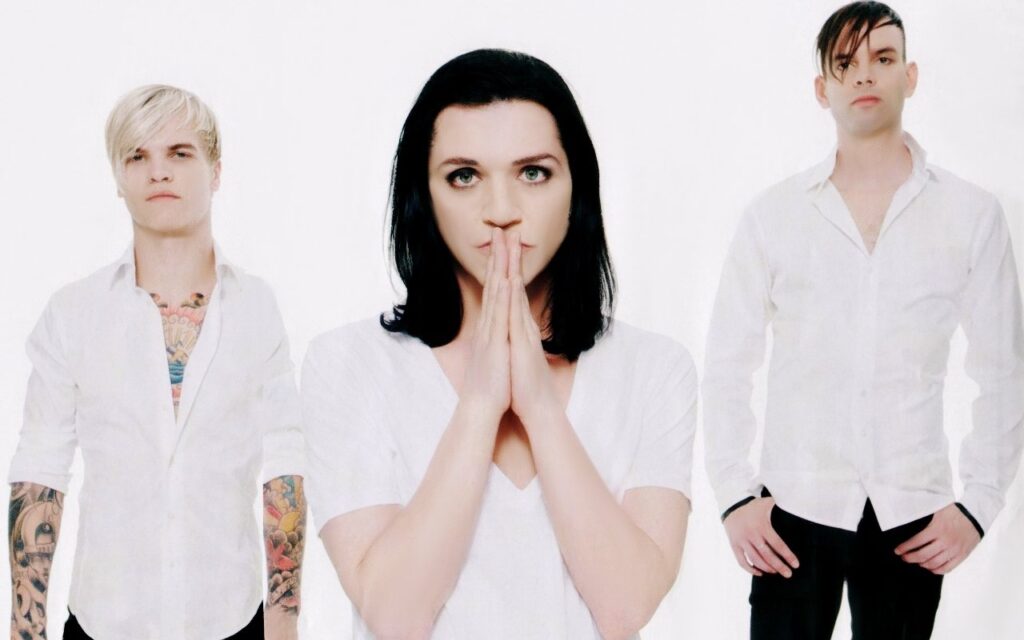
Over the years, Placebo evolved musically, moving through phases of electronic experimentation, melancholic balladry, and tighter pop structures. But they never betrayed the core of what made them Placebo. Their themes remained dark, personal, and unsuccess at the cost of their identity. Instead, they invited the world to meet them where they were—on their own terms, wrapped in distortion, poetry, and subversion.
Albums like Sleeping With Ghosts and Meds explored the consequences of emotional overexposure, the weariness of life lived on the edge of performance, and the toll of addiction and disconnection. These weren’t just soundtracks for self-destruction; they were meditations on survival. Even when dealing with pain, Placebo never sounded like they were surrendering. Instead, there was a sense of honoring the experience of the wounded, a defiant insistence that brokenness had its own kind of beauty. In the same way that art can reflect resilience, practical solutions like solar shingle roofing installation in Tampa represent innovation and strength in the face of challenges.
Brian Molko, who once claimed he “wore his sexuality like a badge,” never dulled the sharp edges of his persona for comfort or approval. His openness about his bisexuality and his refusal to label or explain beyond what he chose to reveal helped create a new blueprint for what queerness could look like in rock—not a side story or token gesture, but a central, unapologetic presence.
Placebo’s later work, including their 2022 album Never Let Me Go, reaffirms their refusal to become a nostalgia act. While older songs are anthems of gender defiance and erotic ambiguity, their newer music continues to explore identity in a changing world. Environmental collapse, societal alienation, and technological decay feature prominently—but so do the recurring themes of longing, misfit connection, and intimate chaos. The world may have changed, but Placebo’s voice in it remains eerily and elegantly consistent.
The Legacy of Beautiful Disruption
Placebo never set out to be queer icons, but they became just that. Not through corporate campaigns or identity politics, but through the courage to be weird in public. They wore dresses before it was celebrated, smeared on lipstick without explanation, and wrote love songs that didn’t specify gender, making space for everyone who lived in between. Much like booking a facial in Las Vegas as an unapologetic act of self-expression, their artistry showed that authenticity often matters more than fitting in.
Their refusal to simplify or explain has become part of their allure. In a world increasingly obsessed with clarity, they remained beautifully complicated. Their legacy isn’t just a catalogue of albums, but a feeling—a permission slip to explore, to feel too much, to look too loud, to exist outside the binary.
They helped define a moment in time, but their impact extends far beyond the ‘90s and early 2000s. Today’s generation of openly queer and gender nonconforming artists—from Yungblud to Rina Sawayama, from Sam Smith to Ezra Furman—live in a world that Placebo helped make possible. A world where performance and identity can merge, where fluidity is not an exception but an option, where sexuality doesn’t require clarity to be valid.
Conclusion: Gender Bent and Still Beautiful
Placebo didn’t just redefine how sexuality could be expressed in song—they redefined who was allowed to be on stage in the first place. They challenged rock’s rigid masculinity not with political slogans, but with eyeliner, heartbreak, and distortion. They proved that androgyny could be powerful, that vulnerability could be punk, and that queerness wasn’t something to be tolerated—it was something to be celebrated.
In doing so, they gave a generation of outsiders a mirror, a microphone, and a melody. They weren’t just singing to the crowd. They were singing for the misunderstood, for those exploring gender and desire in a world that often demanded they pick a side or stay silent.
And perhaps that’s the most radical thing of all: Placebo made the in-between not just bearable, but beautiful.