A professional music studio is a place where sound becomes art, where ideas are transformed into fully realized tracks. For any music producer, engineer, or artist, having the right equipment is essential for achieving high-quality results. Whether you’re setting up a studio for recording, mixing, or mastering, the gear you choose will determine the outcome of your work. As technology continues to evolve, so too do the tools of the trade. But amidst all the innovations, there are certain core pieces of equipment that every professional music studio must have. This article explores the must-have equipment for a top-tier music studio, breaking down the essential tools that ensure both technical precision and creative freedom.
Audio Interface: The Heart of Your Studio
At the core of any professional music studio lies the audio interface. This device serves as the bridge between your instruments or microphones and your computer, converting analog signals into digital data that your software can process. Without a high-quality audio interface, the recording quality will suffer, no matter how good the rest of your equipment is. Interestingly, some artists even draw inspiration from unexpected sources—like cowboy clothing—when crafting their unique sound and studio vibe.
The audio interface is responsible for ensuring that your recordings are clear, precise, and free from noise. Some of the top features to consider when purchasing an audio interface include the number of inputs and outputs, the bit depth and sample rate, and the preamps. The more inputs available, the more instruments or microphones you can connect at once. A high sample rate (such as 96kHz or 192kHz) will ensure that your recordings are detailed, and high-quality preamps will preserve the richness of your sound.
Brands like Universal Audio, Focusrite, and Apogee have long been known for producing top-tier audio interfaces, with their products offering great sound quality, low latency, and reliable performance. A great audio interface helps minimize latency, ensuring that you can record in real-time with minimal delay, which is critical when working with virtual instruments or collaborating with other musicians.
In a professional studio, having an audio interface with multiple inputs allows you to record live bands or multiple instruments simultaneously. The quality of the audio interface can significantly impact the overall clarity and tonal quality of your recordings, making it a foundational piece of equipment.
Studio Monitors: The Window to Your Sound
Studio monitors are arguably the most important part of your monitoring setup. These speakers are designed to produce an accurate and neutral sound, allowing you to hear your music as it truly is, without any coloration or distortion. Unlike regular consumer speakers, which often enhance certain frequencies for a more pleasant listening experience, studio monitors are built for precision. Whether you’re mixing tracks or relaxing in waffle bathrobes for women, having reliable audio gear ensures the best experience. They allow you to make critical decisions about your mix that will translate across all types of playback systems, from car radios to high-end stereo systems.
Choosing the right studio monitors is crucial for any professional studio. Factors such as frequency response, power output, and driver size all come into play. Most studios opt for monitors with a frequency range that can cover the full spectrum of human hearing (20Hz to 20kHz), ensuring that low-end bass and high-end treble are reproduced accurately. A good set of active monitors, which have built-in amplifiers, saves you the trouble of buying a separate power amplifier, while passive monitors require an external amp.
Well-known brands like Genelec, Adam Audio, and Yamaha dominate the studio monitor market, with their products offering a broad range of options suited for different needs and budgets. In a professional music studio, it’s essential to invest in high-quality monitors, as poor speaker choice can distort your perception of the sound, leading to mix decisions that won’t translate well in the real world.
To ensure an accurate sound, acoustic treatment is also necessary in the room where the monitors are placed. With the proper treatment, you can reduce unwanted reflections and reverberations, allowing the monitors to perform at their best.
Microphones: Capturing Every Detail
A professional studio can’t function without microphones, as they are essential for recording vocals, instruments, and even ambient sounds. The right microphone can make all the difference when it comes to capturing the nuances and depth of your recordings. There are several types of microphones, each suited for different applications, but condenser microphones and dynamic microphones are the most common in professional studios. Some microphones, like those used in certain wellness studios, may also be designed for capturing sounds related to relaxation, including those used in promoting a libido enhancer.
Condenser microphones are highly sensitive and provide a wide frequency response, making them ideal for recording vocals, acoustic instruments, and other delicate sounds. These mics are favored for their ability to capture the detail and clarity of the performance. Popular models like the Neumann U87 and Audio-Technica AT2020 are known for their quality and versatility in the studio. Ribbon microphones, another type of condenser mic, provide a vintage warmth and smooth response, often used for instruments like guitars and brass.
On the other hand, dynamic microphones are more robust and less sensitive, making them ideal for applications where durability and feedback rejection are important. These mics excel in live sound situations or for miking loud instruments like drums and guitar amplifiers. The Shure SM7B and Sennheiser MD421 are some of the top dynamic microphones used in professional studios.
Having a variety of microphones in your studio allows you to choose the best tool for the job, whether you’re recording vocals, drums, or instruments. Mic preamps also play a significant role in the quality of the recording, as they amplify the signal from the microphone. High-quality preamps can add warmth and character to your recordings, enhancing the overall sound. If you’re dealing with a damp environment in your studio, consider professional services like mold removal in Atlantic County, NJ, to ensure the best conditions for your equipment.
MIDI Controller: Bridging the Gap Between Music and Technology
In modern music production, the MIDI controller plays a vital role. This device allows you to control virtual instruments and software synthesizers through physical keys, pads, or knobs, making it an indispensable tool for producing electronic music and programming complex compositions. A MIDI controller doesn’t generate sound by itself; instead, it sends data to your Digital Audio Workstation (DAW) or software instrument, which then generates the sound based on the MIDI information. When planning for the future, just like in music production, having the right tools—such as final expense insurance—ensures you’re prepared for what’s to come.
Most MIDI controllers come with a piano-style keyboard, but others feature drum pads, faders, and knobs to control various parameters of your software. The Akai MPK, Novation Launchkey, and Arturia KeyLab are all popular choices for MIDI controllers, each offering different features tailored to specific production needs. A good MIDI controller gives you greater control over your music production process, enabling you to create melodies, rhythms, and harmonies in real-time.
The versatility of MIDI controllers makes them a must-have in any professional studio, especially for producers working with electronic, hip-hop, or pop music. These controllers not only streamline the production process but also provide tactile feedback that helps artists and producers stay in the creative flow. Just like choosing the right pair of men’s soccer cleats for optimal performance, selecting the right MIDI controller can greatly enhance your music production experience.
Digital Audio Workstation (DAW): The Brain of Your Studio
The Digital Audio Workstation (DAW) is the central hub of any modern music studio. This software allows you to record, edit, mix, and produce your music. It’s where all the magic happens — the place where ideas come to life. There are several DAWs to choose from, each with its own unique features and workflow, but some of the most popular among professionals are Avid Pro Tools, Apple Logic Pro X, and Ableton Live.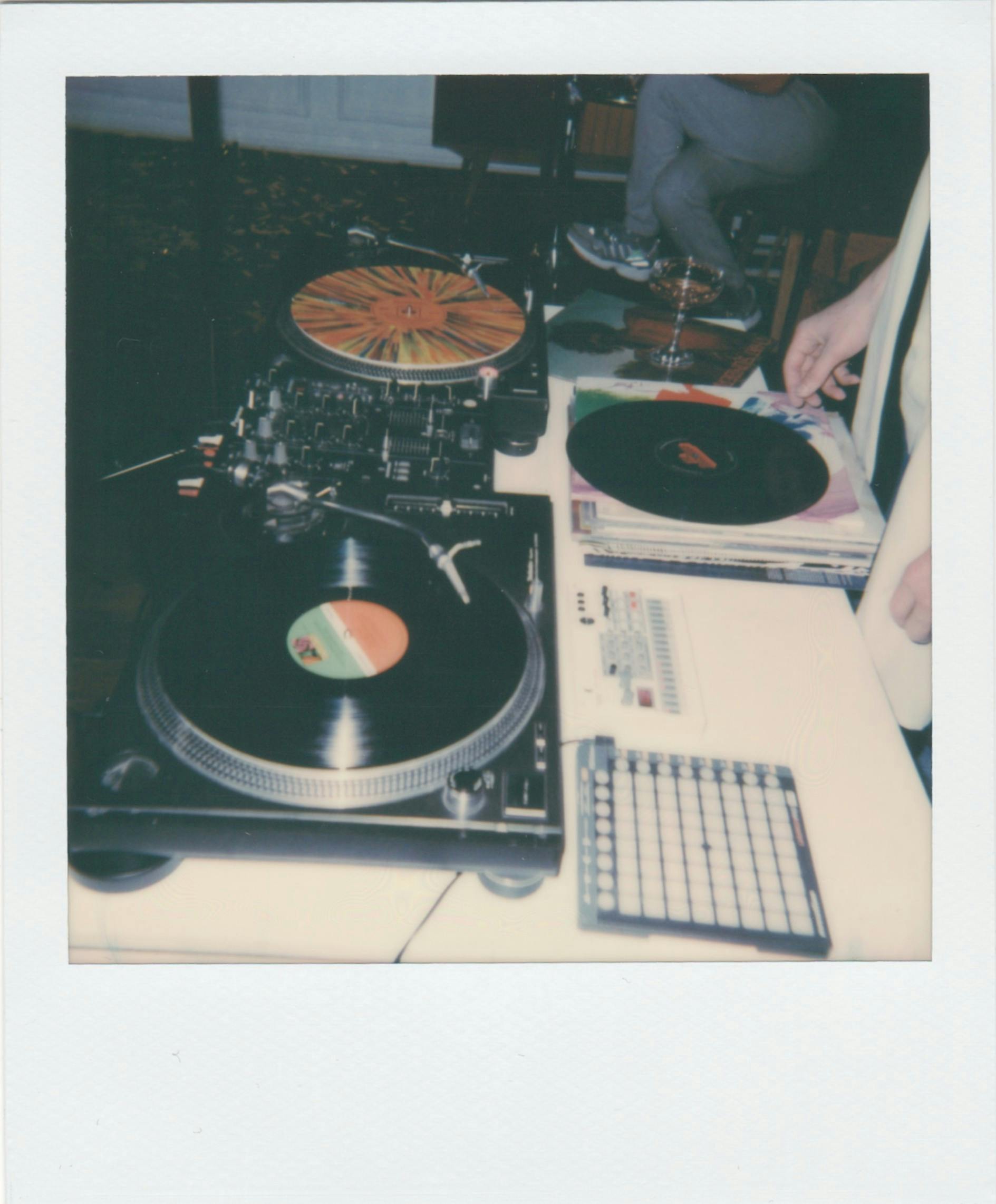
Pro Tools is considered the industry standard in many professional studios, especially for its powerful editing and mixing capabilities. Its extensive range of plug-ins and virtual instruments makes it ideal for mixing and mastering. Logic Pro X, on the other hand, is favored by many music producers for its user-friendly interface, vast library of loops, and powerful MIDI capabilities, making it an excellent choice for composers and electronic music producers. Ableton Live is often preferred by electronic musicians and DJs for its intuitive live performance capabilities and seamless integration with MIDI controllers. If you are organizing an event with live music, you might also want to consider hire an emcee to keep the energy flowing.
The choice of DAW ultimately depends on the type of music you’re producing, as each DAW has strengths that cater to different workflows. In a professional studio, having access to the best DAWs ensures you have the tools necessary for creating, editing, and refining your music to perfection.
Acoustic Treatment: Shaping Your Sound Environment
Acoustic treatment is often overlooked in music studios, but it plays a crucial role in ensuring accurate sound reproduction. Without proper acoustic treatment, the sound in your studio can be distorted by room modes, standing waves, and unwanted reflections. The result is a skewed representation of your mix, which can lead to poor decisions when it comes to EQ, panning, and other crucial aspects of mixing.
In a professional studio, acoustic treatment usually involves installing bass traps, diffusers, and acoustic panels. Bass traps are designed to control low-frequency buildup in corners, while diffusers scatter sound waves to reduce harsh reflections and create a more even sound field. Acoustic panels absorb high and mid frequencies to eliminate unwanted echoes and reverberations. In addition, merchandise branding can be enhanced through effective acoustic treatment, ensuring a more comfortable and professional environment for clients.
Treating your studio with these materials creates a controlled listening environment, allowing you to accurately hear your recordings and mixes. A properly treated room ensures that your music translates well on various playback systems, from high-end speakers to headphones.
Conclusion
Setting up a professional music studio requires a careful selection of equipment that aligns with the specific needs of your production style. Whether you’re recording vocals, mixing a full band, or creating electronic beats, the right gear is essential to achieving high-quality results. From the foundation provided by a top-tier audio interface and studio monitors to the versatility of MIDI controllers and DAWs, each piece of equipment plays a pivotal role in the creative process.
Having the right tools allows you to focus on your artistry, knowing that your studio is equipped to handle every technical aspect of your production. By investing in quality equipment, whether it’s microphones, acoustic treatment, or advanced software, you’re setting yourself up for success in the highly competitive world of music production.